
Traffic
V16 light becomes mandatory in Spain in six months: do you know all the rules?
This device will replace emergency triangles, but only approved ones will be allowed
N. S.
Madrid
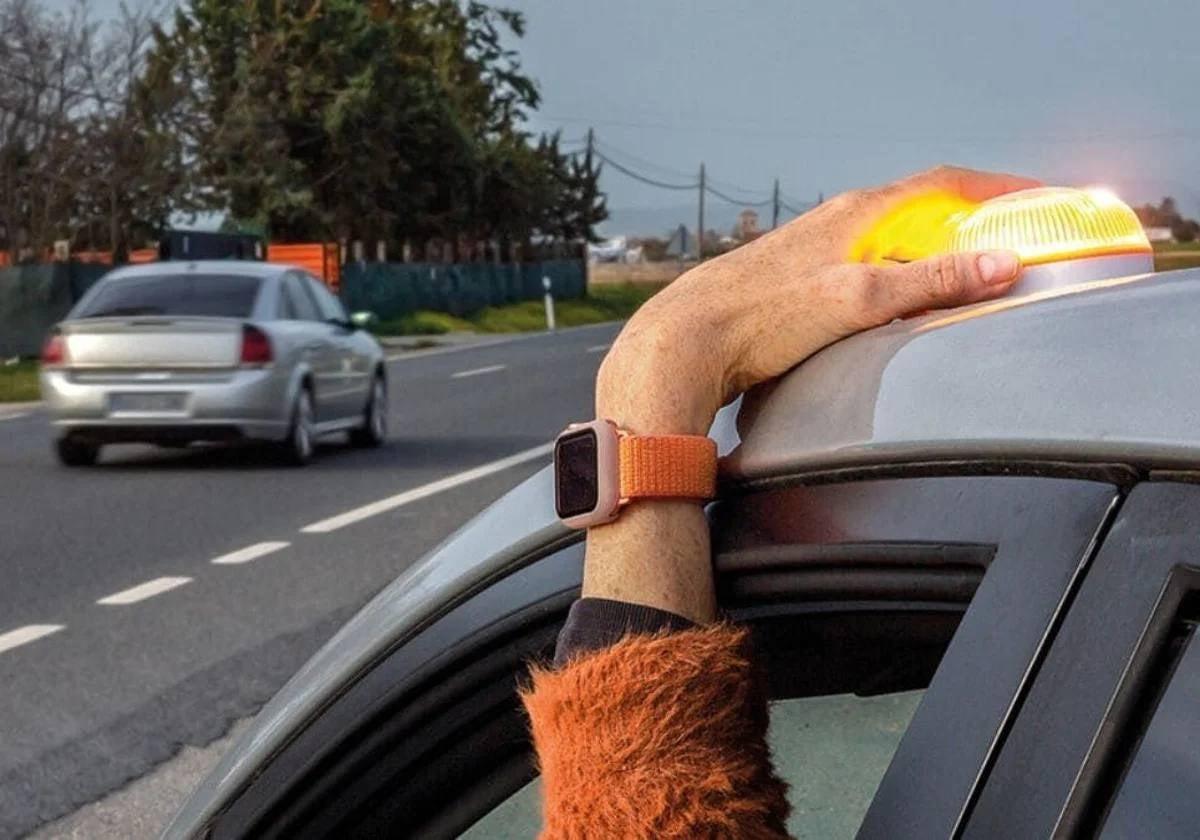
From 1 January 2026, drivers will be required to carry a V16 IOT light signal connected to the DGT 3.0 platform in their cars. This device will definitively replace emergency triangles, but only approved ones will be allowed, i.e. those that comply with the necessary technical characteristics.
For example, the connectivity expiration date must be 12 years - detail, which can be found on the packaging or the device itself.
The approval code can be found not only on the product itself, but also on the corresponding box and in the user's manual. It begins with the initials 'LCOE' or 'IDIADA' together with the serial number. Here is an example of the correct approval format: LCOE XXXXXXXXXXXXXXXXG1. The code should be easy to read. It must also be durable so that it does not deteriorate easily.
It must also comply with safety criteria, which are set out in Annex XI of the General Vehicle Regulations:
-The light must be amber yellow.
-Light coverage: The optical system must provide visibility across a horizontal 360-degree field and at least ±8 degrees vertically, both upward and downward.
-Luminous intensity: At 0 degrees, the light must emit between 40 and 80 effective candelas, and at ±8 degrees, at least 25 candelas. In both cases, the device must maintain this intensity for a minimum of 30 minutes.
-IP rating (protection against dust and moisture): The device must have at least IP54.
-Stability: The light must remain stable on a flat surface and not move when subjected to wind pressure of 180 Pa from the most unfavourable direction.
-Temperature resistance: The device must function properly in temperatures ranging from −10C to 50C
-Flash frequency: Between 0.8 and 2 Hz.
-Power supply: The device must be self-powered with a battery or cell that guarantees functionality after 18 months. Rechargeable battery options are also acceptable, provided they can be charged within the vehicle.
-The device must transmit data on activation, deactivation, and geolocation to Spain's national traffic access point. Location data must be sent every 100 seconds and will stop once deactivation has been confirmed. Communication costs must be included in the retail price and data transmission must be guaranteed for at least 12 years.
![[]](http://static.vocstatic.com/voc26/latest/assets/images/favicon/surinenglish/apple-touch-icon-57x57.png)