
Adamuz train accident 2026
Adamuz rail crash judge does not trust Adif: transport department to only access wreckage under police supervision
Following previous disagreements, the judge has restricted the inspections to photographs and videos and has refused to allow any further observers to be present during the examination of the black boxes
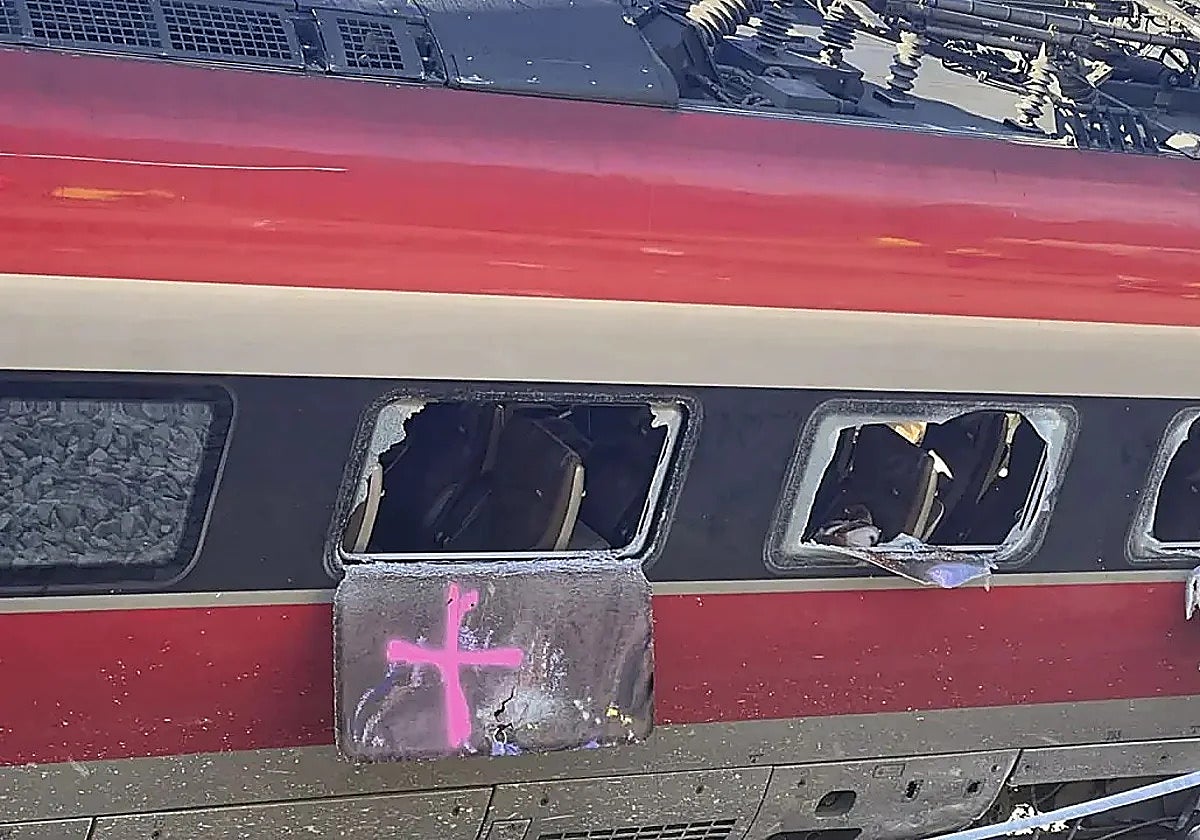

The judge investigating the rail tragedy in Adamuz (Cordoba) on 18 January this year, in which 46 people lost their lives, has once again ... distanced herself from rail infrastructure company Adif.
Technicians from the rail operator will be allowed to inspect the wreckage of the Iryo train that derailed, but only to observe, photograph and film them. The Guardia Civil will supervise the operation and altering any parts will remain banned.
The decision comes nine months after the controversy surrounding the removal of sections of track without express judicial authorisation by workers from the body under the Ministry of Transport. Judge Cristina Pastor Recover has laid down these conditions in an order from 30 October.
Related story
-
Adamuz train accident 2026
Melchor Sáiz-Pardo
Adif had requested access to the eight carriages of the Iryo train and the wreckage. The judge granted the request, although she restricted the permission "exclusively to visual inspection and photographic and audiovisual documentation". She banned "any alteration to the carriages or any other item of relevance to the investigation".
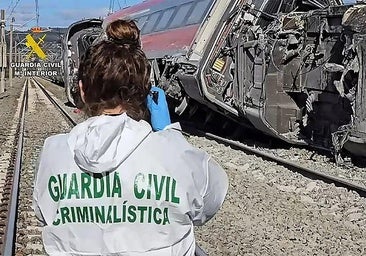
The order specifies that the work is to be carried out "under the supervision and control of the UOPJ in Cordoba", the Guardia Civil unit investigating the accident. They must coordinate the visits, supervise them and draw up a report on the work carried out.
The controls even extend to who is allowed to enter, with the judge reducing the number of experts from Adif who can access the site.
The severity of these measures stems from a particularly sensitive incident. Between the night of 22 and the morning of 23 January, just a few days after the collision, Adif removed sections of track from the area, including pieces with welded joints, and transported them to its base in Hornachuelos.
The Guardia Civil subsequently discovered the incident, located the components and sealed them on 3 February. It also confirmed that hardness tests had been carried out. Adif maintained that these were non-destructive tests and that it had moved the material to protect it from the weather and heavy machinery.
The court's response came on 10 February. Judge Pastor ordered the "immediate return of the material in its possession" and demanded that Adif refrain from making any further removals or transfers without authorisation. The company later acknowledged that it did not have express judicial permission on the day of the removal, although it stated that verbal or tacit authorisation had been given.
Urda parallels
The situation in Adamuz has parallels in Urda. Following the train collision on 28 October, Judge Aristea Afroditi Ortiz Tiliakou banned anyone not directly involved in the investigation from entering a two-kilometre perimeter on either side of the track. The restriction applied to Adif staff without specific authorisation.
Montoro's new ruling also rules out any expansion of Adif's involvement in another sensitive matter: the inspection of train registration systems, scheduled for 12 November. The judge has refused to allow additional assistants, as she considers the appointed technical team to be sufficient, and warns that other participants could interfere with the work.
Supervision extends to the laboratories that will analyse the welds and rails. Any opening of packaging, cutting of parts or taking of samples must be carried out in the presence of the Guardia Civil and forensic experts. Relevant procedures must be announced 15 days in advance and the samples must be kept under an individualised chain of custody.
The laboratories shall act as judicial custodians of the evidence. They must record every instance of access to the samples and protect them from loss, contamination or unauthorised tampering. Their reports and findings must be submitted simultaneously to the court and to the authority responsible for the technical investigation.
