
Ceuta migration crisis
Spain's government delegate in Ceuta resigns two months after migrant influx
The government is already processing a resignation which it attributes to a "personal" decision following weeks of "immense hard work"

Madrid
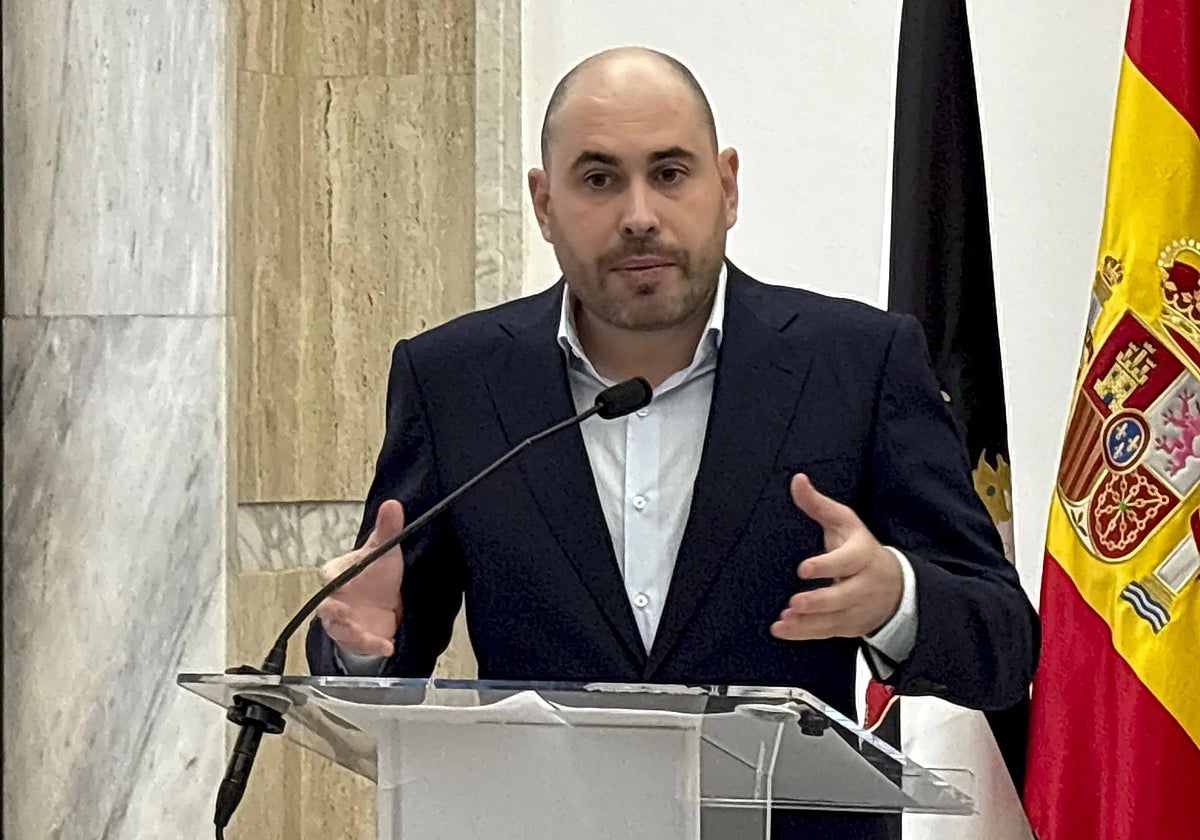
The central government's representative in Ceuta, Miguel Ángel Pérez Triano, has handed in his resignation citing "personal and family" reasons, an irreversible decision that ... will be formalised in the coming hours and which the delegate himself will explain in detail at a press conference.
Sources close to the central government have stated that the resignation is strictly a personal decision linked to the strain of recent months.
However, the departure comes against a backdrop of extreme political and civil tension, marked by persistent institutional instability in the management of the city's border, almost two months after the mass influx of thousands of migrants from Morocco on 30 and 31 July.
Pérez Triano's position has been uncertain ever since the government declassified, on 9 September, the documents and communications from the secret services in the days leading up to the illegal crossing.
Related story

Among these was a memo his chief of staff Gonzalo Sanz received on 29 July. According to the message, the CNI had detected calls on social media and Moroccan groups urging people to enter Ceuta the following day by scaling the fence and swimming around the Tarajal breakwater.
Pérez Triano denied having any knowledge of the messages or the phone call between Sanz and the agent. The chief of staff, however, claimed to have kept him fully informed. Within 48 hours, he resigned, attributing his departure to conflicting accounts with the delegate.
The central government's seat in Madrid, the Moncloa palace, has always stated that PM Pedro Sánchez trusted Pérez Triano, who is also the leader of the Ceuta PSOE party.
According to the government, the message from the CNI agent to Sanz did not actually constitute a warning about such a mass crossing. If it had, Moncloa states, it shouldn't have been delivered through an "ambiguous WhatsApp message" to a "low-ranking official".
Pérez Triano's situation was, nevertheless, highly complex. The National High Court took over the investigation into the delegate after Ceuta's investigating court No. 6 agreed to stand aside in favour of Judge María Tardón. The case arose from a complaint lodged by Manos Limpias and the Ceuta prosecutor's office suggested that his decisions and possible omissions may have influenced the course of the crisis.
The resignation comes in the week in which Tardón is due to hear the first witnesses: president of the regional government of Ceuta Juan Jesús Vivas, on Wednesday, and Sanz, on Thursday.
![[]](http://static.vocstatic.com/voc26/latest/assets/images/favicon/surinenglish/apple-touch-icon-57x57.png)