
Politics
Spain's Defence Ministry cancels all leave for military personnel in Ceuta, while the Interior Ministry restricts holidays amid risk of another influx
The Guardia Civil have suspended new leave permits in both Ceuta and Melilla, while all military personnel must return to their posts by 13 August
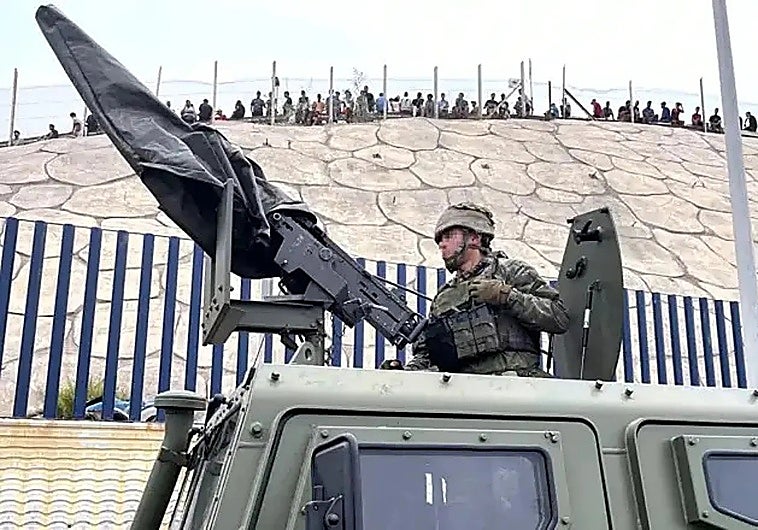

Fears of a new migrant surge in the Spanish territory of Ceuta in Africa have prompted urgent measures by the Ministry of Defence and the ... Ministry of the Interior. In addition, authorities are preparing to face border control issues in Melilla.
The two ministries have restricted leave for military personnel and the Guardia Civil. All soldiers stationed in Ceuta must return to their posts by 13 August, two days before the date when, according to the confirmation of the intelligence services, another surge, similar to that of 30 July, could take place.
The Guardia Civil have taken the severity of the measure down a notch. Members of the force who have already requested leave will be able to keep it. Until further notice, however, the Guardia Civil suspend the granting of more annual leave in Ceuta and Melilla.
Related story
-
Melchor Sáiz-Pardo
Related story
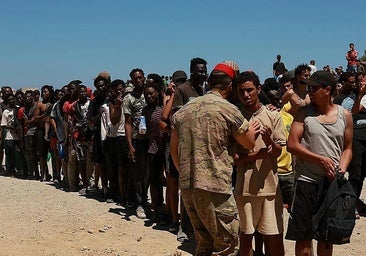
The local authorities in Ceuta are not hiding the fact that the threat of new waves of migrants from Morocco is the reason for this call to arms. The text of the order emphasises the "increase in irregular migratory pressure" and the need to ensure public safety and the surveillance of the external border.
"Until further notice from higher authorities, no holidays, leave or time off will be granted," the order states.
Command posts must report to the chain of command on developments in the situation and propose whether the restrictions should be maintained, amended or lifted.
"This operational effort is currently significantly hampered by staff taking summer holidays and leave for personal reasons," the official letter states. By suspending new authorisations, the Ministry of the Interior aims to ensure "the operational capacity of the units" in Ceuta and Melilla.
The Defence Ministry has gone a step further by cancelling all leave, including what it has already granted. Leave may only be granted in "exceptional, duly justified cases" and with the express authorisation of the head of each unit.
According to the order, "operational requirements that necessitate an increase in the activities of the units deployed in Ceuta" justify the measure.
National intelligence and defence centres are monitoring the calls to action circulating from Morocco. Analyses over the last few days suggest that these calls have the potential to mobilise people, although it is not yet possible to say exactly how many people might attempt to approach the border.
The Guardia Civil believe there is a "real risk" that the call for action on 15 August will actually go ahead. A preliminary report identifies "signs of basic, decentralised operational coordination", with references to departure points, journeys from various cities and possible purchases of wetsuits and flotation devices.
The document does not yet identify the organisers, nor does it allow for an estimate of the scale of the mobilisation.
The new alert comes after more than 72,000 people were recorded entering Spanish territory in Africa on 30 July. The mass influx, which resulted in more than 100 deaths on both sides of the border, overwhelmed the perimeter for hours and forced the army to patrol the city, remove those who had entered illegally and support the security forces.
Prime Minister Pedro Sánchez described the incident as "a violation of Spain's territorial integrity".
More than 2,000 military personnel patrol various locations in Ceuta every day. The land-based operation is complemented by reinforcements within the Navy in the waters near Ceuta.
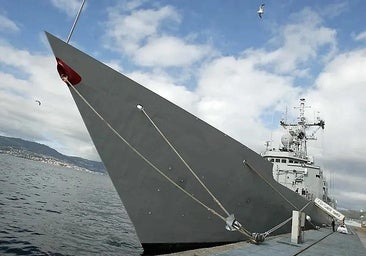
The frigates Navarra and Santa María have joined the maritime action vessel Rayo, while a logistical support vessel remains moored in the port. Their mission is to monitor the southern bay, track any movements in the surrounding waters and support the operation underway on land.
The National Police in Ceuta have also received resources and support from their colleagues in Madrid, Seville and Malaga. The latest reinforcement involves the deployment of a further 45 riot police officers to boost the response capacity and cover the most sensitive areas along the border and within the city.
The Guardia Civil have three platoons comprising 60 officers, as well as a further 30 from Andalucía. The deployment includes two teams of divers, comprising eight specialists, and personnel from the special underwater operations group.
At sea, two medium-sized patrol boats, four inflatable boats and the vessel Duque de Ahumada have joined Ceuta's regular boats.
![[]](http://static.vocstatic.com/voc26/latest/assets/images/favicon/surinenglish/apple-touch-icon-57x57.png)