
Housing
Spain's 11-N strike becomes main argument in debate over housing decrees among politicians
Minister Pablo Bustinduy defended the royal decree, the initial rejection of which led to calling the early general election
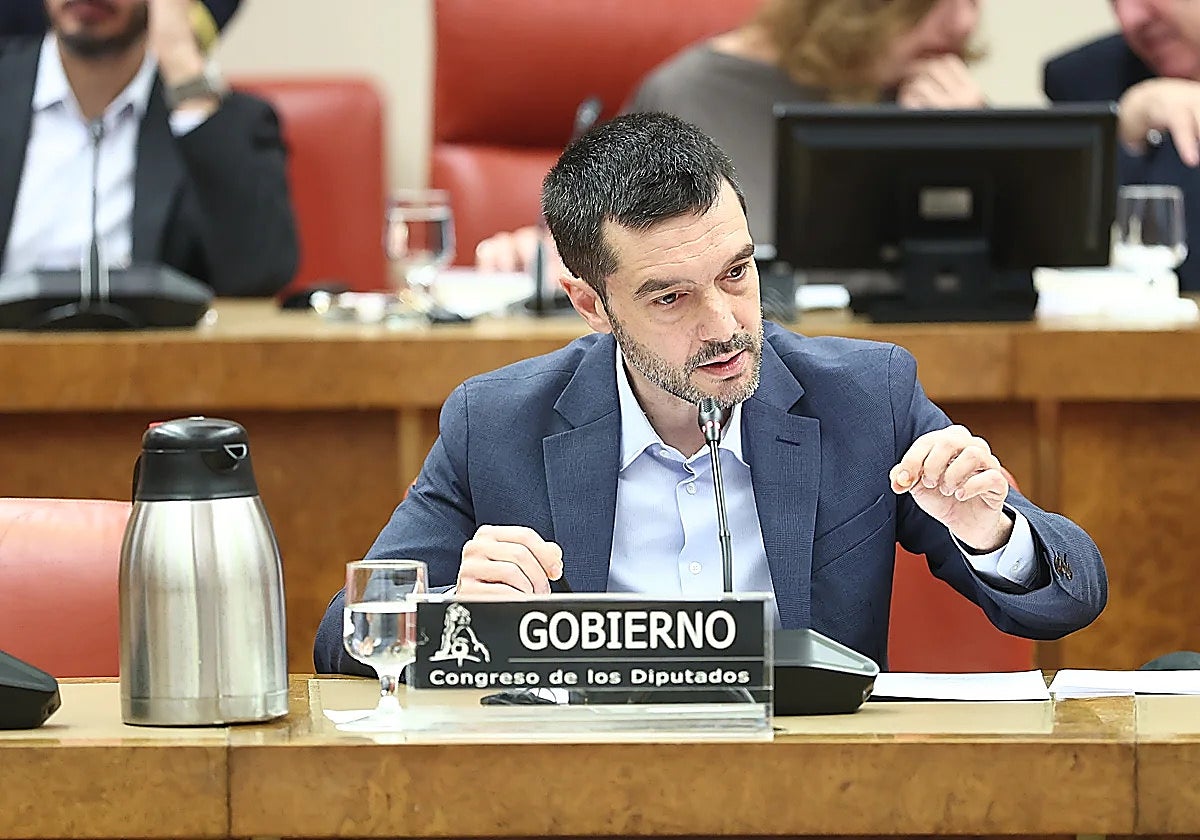

Spain's Minister of Social Rights and Consumer Affairs Pablo Bustinduy defended on Thursday the two housing decrees, the initial rejection of which ultimately ... led to calling the early general election.
Bustinduy's speech came the day after Wednesday's general strike, which was called to protest against the housing crisis. The strike found its main catalyst in the social unrest the eviction of Maricarmen Abascal had triggered.
The truth is that the parliamentary majority which rejected the two decrees on 2 October is not the same as the Diputación Permanente. Now, Catalan party Junts' vote does not appear to be decisive for the decrees' approval and the ball is in the Basque Country PNV's court.
The first decree, which Bustinduy is championing, is not expected to pass, as the PNV are not in favour of the open-ended tenancy agreements it provides for: a proposal that is particularly sensitive for their electorate. They will, however, support the bill of Housing Minister Isabel Rodríguez, which aims to curb evictions, regulate short-term lettings and prevent the purchase of properties by vulture funds.
Bustinduy drew on the strike protests to defend the first decree. "Despite the intimidation, despite the intolerable violence they suffered on the streets, they managed once again to bring the country to a standstill," the minister began his speech, first and foremost expressing his condemnation of the police actions that took place at the end of Wednesday's demonstrations.
"If this committee is today taking a stance on the housing decrees, it is thanks to their fight, just as all the victories that have improved the lives of the working classes have been achieved," Bustinduy said.
Even more fervent was the speech by Enrique Santiago, a Sumar MP, who labelled those who had attacked the trade unions for backing Wednesday's strike in the final stretch of the parliamentary term as "narrow-minded people".
Bustinduy highlighted the public's frustration to stress the need to intervene in the housing market in favour of "the working class". He lashed out at business organisations which, "while dismissing the strike as a blip, were whining about the losses caused by the industrial action".
"What is voted on here are specific, minimum demands arising from an unprecedented social mobilisation for the right to housing in this country," the minister concluded. He sent a message to opposition parties PP, Vox and Junts, stating that they do not suffer from "the problems on the street" and accusing them of siding with the interests of large property owners, vulture funds and employers' organisations.
While Junts MP Josep Maria Cruset merely expressed his opposition to the government's move to refer the decrees to the Diputación Permanente, both PP and Vox declared the strike an "electoral ploy" of the left and branded the demonstration "hypocritical".
