
Spain blackout 2025
Spain's competition regulator denounces Red Eléctrica for coordination failures following 2025 nationwide blackout
The CNMC is calling on the energy operator to exercise greater control over the power stations responsible for restoring the electricity supply and warns that the restoration process has never been fully tested
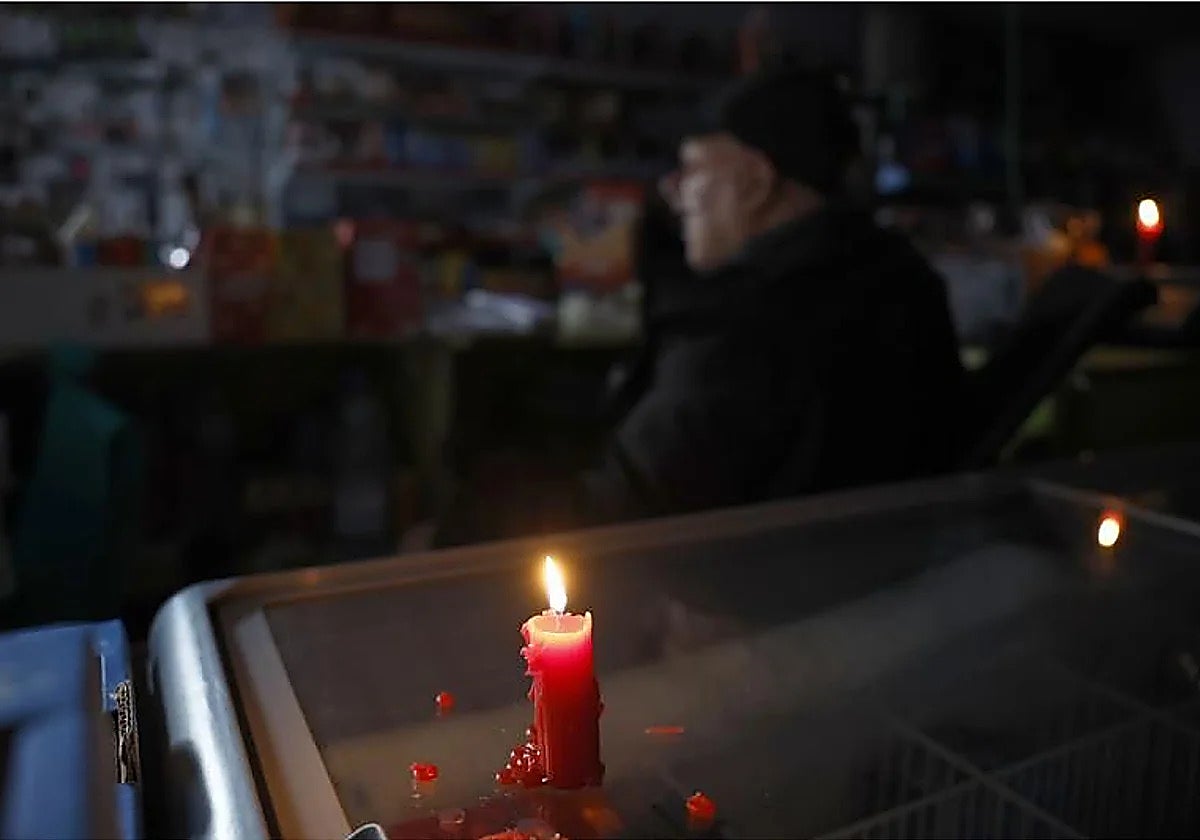

Following the nationwide blackout in Spain on 28 April 2025, Red Eléctrica and the government highlighted the speed with which power was restored. However, inspections ... by the CNMC competition regulator have revealed shortcomings in the procedures put in place to restore electricity.
The regulator considers that the recovery was "swift and effective", but warns that the process had not been comprehensively tested and calls on Red Eléctrica to exercise greater control over the availability of the power stations responsible for restarting the grid.
Related story
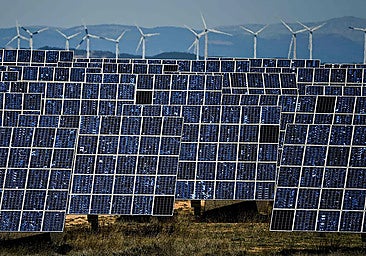
One of the most significant problems was precisely the unavailability of some power stations in the contingency plans. When the time came, they were not in a position to be used and it was necessary to fall back on other facilities.
The CNMC is calling on Red Eléctrica to monitor the power stations essential for restoring supply more closely, to prevent scheduled outages from coinciding in a way that could compromise their availability and to ensure that any incidents are reported well in advance.
The CNMC's report from 30 September does not analyse the causes of the blackout, but rather how the restoration of supply unfolded. It inspects nine hydroelectric power stations and one distribution company, paying particular attention to the facilities responsible for initiating the restoration.
Their role is crucial: following a widespread power cut, electricity cannot be restored all at once, but must be brought back gradually, starting with power stations capable of starting up without receiving power from the grid. From there, other facilities and areas are gradually reconnected, in a sequence that requires maintaining a balance between generation and demand.
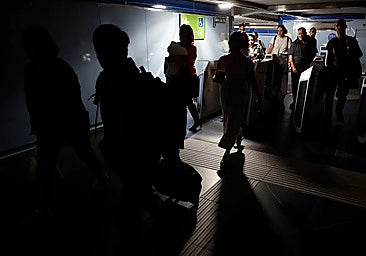
The CNMC's second major warning concerns the tests. The power stations inspected had passed the scheduled autonomous start-up tests, but these checks were limited to verifying that they could be started up without an external power supply. They did not replicate the subsequent process of gradually connecting consumers and other installations.
"The autonomous start-up of the power station under no-load conditions is merely the beginning of a restoration process that has not been tested in full, or even in part," the report says. The CNMC is calling for joint tests to verify how power stations, grids and control centres would respond in the event of an actual blackout, including in the event of communications failures or the loss of remote control.
The inspections highlight some of the difficulties that can arise during such operations. Although a large number of the available power stations managed to start up, some had problems maintaining stability when they began supplying electricity. In certain cases, the initial loads connected were too small for the generators to operate properly, causing vibrations and shutdowns.
The CNMC points to possible shortcomings in the design of the connection sequences and in the selection of the units designated to initiate the restoration. Problems were also reported with voltage and frequency regulation, as well as disconnections during certain manoeuvres.
Out-of-date plans
Coordination between the various parties also proved difficult. The distribution company under inspection experienced temporary interruptions to the remote control of some substations, which meant that teams had to be deployed to carry out operations on site. Communications with the system operator were intermittent, although contact was maintained via alternative channels.
Added to this is the age of some of the replacement plans. Several date from 2016 and 2017, although one was from 2024 and two others had draft versions that were approved in July 2025. The CNMC considers it necessary to review these documents periodically in order to adapt them to changes in the transmission and distribution networks, demand patterns and control systems.
The regulator also insists that Spain must retain the capacity to restore the supply using its own resources, without relying on assistance from other countries' electricity systems.
The conclusions are of limited scope. They are based on the nine power stations and the distribution company that were inspected and cannot be automatically extrapolated to the system as a whole. The CNMC plans to extend the checks to other generation technologies and to strengthen coordination between the various stakeholders.
