
Housing
Spain housing: almost two million properties face rent increases of up to 50 per cent if government's decree is not approved
The measure, which is already in force, allows contracts due to expire before 2029 to be extended for up to two years while retaining their existing terms
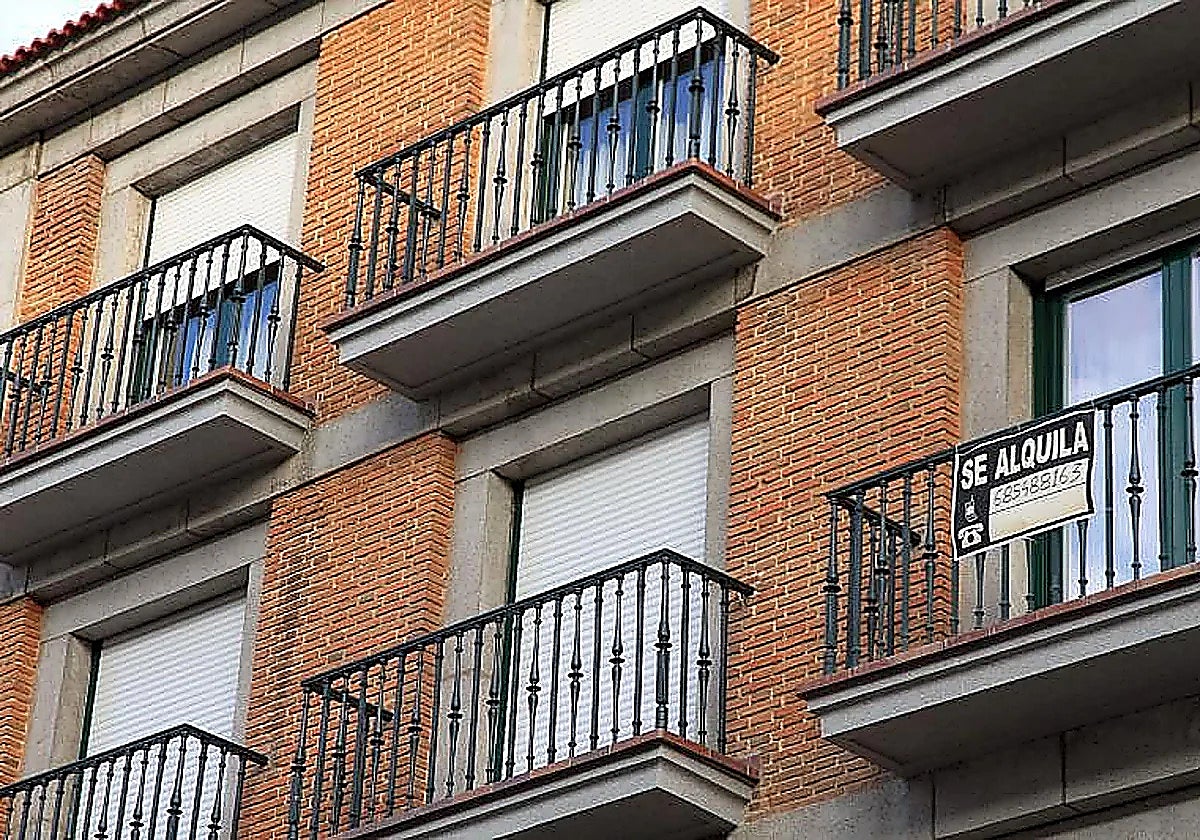

Almost five million people in Spain are waiting for the votes on the ratification of the government's two royal decrees on housing in Parliament ... this Friday.
The measure concerning the extension of tenancy agreements due to expire before 31 December 2028 has to receive at least 176 votes in favour.
The measure could cover a total of 1,895,676 contracts: 751,166 are due to expire in 2026, a further 809,899 in 2027 and 334,611 in 2028. Based on the average of 2.5 members per household, the government estimates that nearly five million people could benefit from the extension.
Related story

To a large extent, these are contracts signed in a market where prices were very different from today's. The average rent in Spain stood at 10.5 euros per square metre in 2021, compared with the 15.1 euros this past August, according to Idealista.
A family or a couple having to renew a tenancy agreement now based on those figures would face a 43.8 per cent increase. For a 70-square-metre flat, this would amount to around 322 euros more per month or 3,864 euros per year.
The number of contracts eligible for the extension is also unevenly distributed. Madrid tops the list, with 402,082, followed by Catalonia, with 339,088; Valencia, with 224,372; and Andalucía, with 200,204. Between them, these four regions account for more than 1.16 million contracts, just over six in ten of the total.
Further down the list are Galicia, with 111,175 contracts; the Canary Islands, with 108,252; Castilla y León, with 94,994; the Balearic Islands, with 69,154; and Aragon, with 64,272. The regional breakdown does not include the Basque Country and Navarre, for which data is not available in the sources consulted.
Extension subject to conditions
The extension, however, is not automatic. The tenant must apply for it and must be up to date with their rent payments, including for the preceding eight months. The extension is granted for periods of one year, up to a maximum of two years, and the terms and conditions of the current tenancy agreement remain in force.
Generally speaking, the landlord is obliged to accept it. There are exceptions: if both parties reach a different agreement, if they sign a new tenancy agreement or if the landlord needs to reclaim the property for themselves or for certain family members. It also won't apply if the landlord and tenant agree to renew or sign a new tenancy agreement with a rent at least five per cent lower than the current rent.
In practice, some contracts due to expire in the coming years could be extended for up to two further financial years while retaining their current terms. Those due to expire in 2028 could therefore be extended until 2030.
It all depends on Congreso now. The decree is already in force, but it needs to be ratified in order to remain. If Parliament overturns it this Friday, the special tenancy extension will cease to apply.
The situation would be the same as on 28 April, when the lower house rejected the government's proposal, which would also have allowed certain tenancy agreements to be extended for up to two years while maintaining their existing terms. The bill received 166 votes in favour, 177 against and five abstentions.
![[]](http://static.vocstatic.com/voc26/latest/assets/images/favicon/surinenglish/apple-touch-icon-57x57.png)