
Addiction
Malaga's provincial rehab centre highlights changes in drug additions: from the 80s junkie to the integrated consumer
Treatments for cocaine addiction in the province have tripled in two decades, replacing heroin, alongside gambling, screen addiction and 'chemsex'
Alberto Gómez
Malaga's provincial centre for addiction treatments has served more than 30,000 people and supported thousands of families over four decades. During that time, the centre has witnessed how addictions and those who suffer from them have changed.
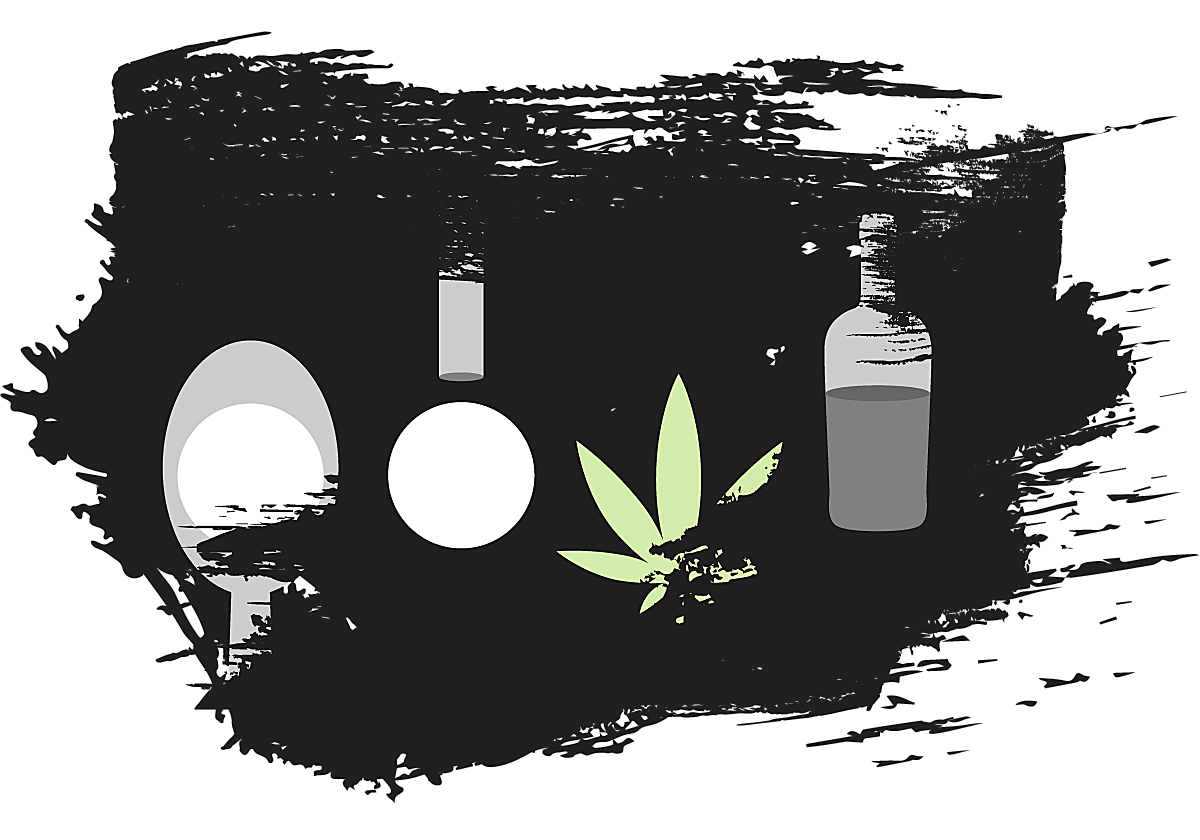
The centre can confirm that there has been a deep transformation in the way people consume drugs. The profile of the drug addict in the 80s and 90s bears little resemblance to that of today. Back then, heroin or 'rebujado' (a mixture of heroin and cocaine) predominated, leading to serious issues of social exclusion, physical deterioration and strong stigmatisation.
Now, the professionals at the centre describe their patients as "socially integrated", mostly middle-aged men with jobs, families and substance abuse linked to cocaine and alcohol.
"Before, 'junkies' stood out: they were marginalised people, usually poorly dressed, begging on the streets… Now they have jobs, social networks and a stable support system. They aren't easy to identify except in very advanced stages of their addiction," director of the centre in Malaga's Bailén-Miraflores district Juan Jesús Ruiz says. "Today's user fully integrates into daily life. It could be a family member, a coworker or a neighbour without you noticing a thing."
Related story
-
-U72012807778Xjv-366x256@Diario%20Sur.jpeg)
Malaga province
Tony Bryant
This invisibility of new addictions poses a different risk, because the problem often takes longer to detect. Meanwhile, the addict deepens their substance use and the hole grows ever larger. When it finally surfaces, in many cases the dependency is already very advanced, with greater emotional, economic and social deterioration. Professionals warn that this ability to maintain an appearance of normalcy for years delays seeking help and hinders early intervention.
"Before, substance use was much more visible and the deterioration appeared earlier. Now, many people lead a double life for a long time," the centre workers state. This normalisation makes addiction a more silent problem, but no less serious: the longer it remains hidden, the more difficult it is to break the cycle and rebuild the lives of those who suffer from it.
The image of addiction has completely reversed since 2005. The demand for cocaine, cannabis and alcohol has skyrocketed, displacing heroin, which is experiencing a slight increase but is still far from the levels it reached in previous decades.
Data from the centre clearly illustrates this transformation. The number of new cocaine cases at the centre has risen from 196 in 2005 to 523 in 2025: almost tripling in just 20 years. These cases are often linked to alcohol, which is the addiction that has increased the most in these two decades.
In contrast, treatments for heroin and other opiates have fallen from 526 to 157 cases: less than a third of what they were 20 years ago.
The turning point was in 2011, when cocaine became the primary reason for admission to the centre. Alongside cocaine, alcohol has become another major problem requiring assistance. Professionals also note that both substances are now often associated with leisure activities and social interaction, a far cry from the marginalisation that characterised addiction decades ago.
"Before, heroin was especially dangerous because of the transmission of diseases like HIV or hepatitis C. Now, cocaine and cannabis may not cause such visible physical deterioration, but they do generate very serious mental disorders: paranoia, breakdowns or even suicidal behaviours," Ruiz says.
After decades of treating people with addictions, the director of the centre has identified a common pattern. "Addicts often easily deceive themselves and believe they have it under control. But getting out is very difficult and many only react when they hit rock bottom, sometimes not even then. Quitting drugs isn't enough: they have to completely change their lifestyle, distance themselves from environments linked to drug use and rebuild their personal relationships," he says.
There are also new emerging addictions, which are increasingly common at the centre. These include sports betting and online gambling, especially among young people; addictions linked to screens, such as compulsive mobile phone use, social media or video games; and 'chemsex,' a practice based on drug use to maintain sexual relations for hours or even days.
Professionals say that this phenomenon, increasingly widespread in certain environments, is often associated with the use of substances such as mephedrone, methamphetamine or GHB and carries significant physical and psychological risks, in addition to promoting risky sexual behaviour and strong dependence. Although they still represent a minority of the cases, the centre warns that this type of consumption is on the rise and especially difficult to detect due to normalisation.
To mark the centre's 40th anniversary, the provincial authority has organised a series of events that will take place throughout the month (until 27 May) at the La Térmica cultural venue, with a final touch at the Edgar Neville auditorium.
The programme includes lectures, meetings between professionals and users, educational activities and an exhibition of works created in the centre's therapeutic workshops, open to the public until 20 May. Among the activities are several talks focusing on the change of addictions, recovery processes and prevention.
![[]](http://static.vocstatic.com/voc26/latest/assets/images/favicon/surinenglish/apple-touch-icon-57x57.png)