
Environment
Malaga to reuse all resources from wastewater treatment plant to combat drought
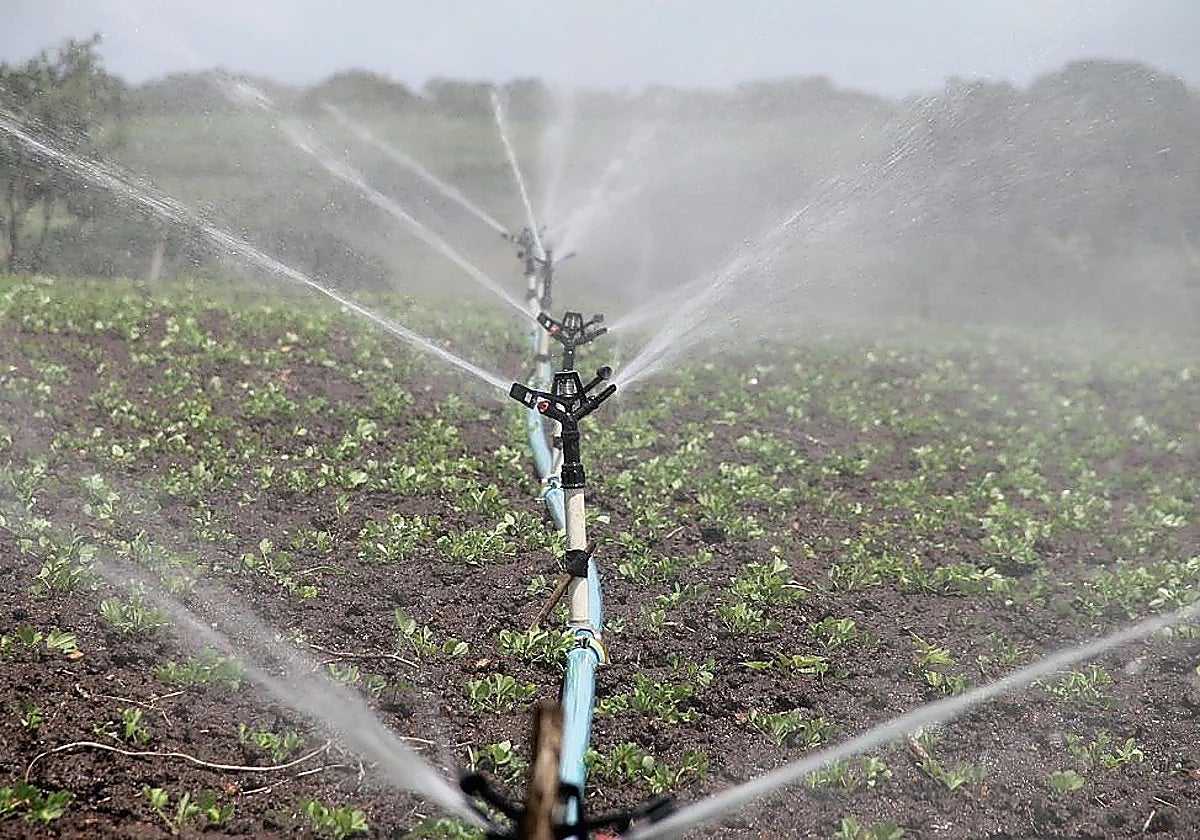
Reclaimed water will serve irrigation, agricultural, cleaning and industry purposes in the western part of Malaga city and development areas
Chus Heredia
Malaga's engineers are working hard to find solutions to drought crises in the province and use every last drop of water. They consistently update projects to address new needs and emerging conditions.
One of the strategic actions, especially now that the courts have struck down the Norte wastewater treatment plant, is expanding the capacity to produce reclaimed water at the Guadalhorce plant.
This type of resource represents direct water savings from reservoirs and wells. Public water company Emasa's intention is to utilise all the production from the city's main plant. After years of drought, every little bit helps.
Related story
-RsOpTbGWoQENDW8cjlGk93K-1200x840Diario%20Sur_20260520104000-ROMNxBivUVN50xKSny3xLXL-366x256@Diario%20Sur.jpg)
These resources come from the three-stage treatment of wastewater. They only return to the environment with safety guarantees for irrigation, street cleaning, industry and other uses.
The project has undergone a second modification. The first changed the discharge point into the river to contribute to the natural recharge of aquifers and environmental improvement. This amounted to approximately 30 million cubic metres per year.
The second modification was possible following the formation of a central users' association by irrigators in the Bajo Guadalhorce area (primarily those from Alhaurín de la Torre).
Eliminating the fragmented system avoids the construction of 22.8 kilometres of pipelines. Now, there will be a single delivery point between the municipalities of Malaga and Alhaurín. This network of pipelines is replaced by the one that will carry reclaimed water for irrigating gardens and green spaces in the city's expansion areas (Campanillas, Puerto de la Torre, etc.) and the western part of the city. This represents an additional eight million cubic metres annually.
Outside of this project but in the construction phase is the connection with Churriana (golf course, Campamento Benítez, airport) and Torremolinos.
The idea is to allocate the budget the second amendment saved to address the new needs for using reclaimed water in the city of Malaga following the recent drought.
The Guadalhorce wastewater treatment plant processes a capacity of 144,000 cubic metres of wastewater per day. Currently, its production of reclaimed water through the main tertiary treatment (600 cubic metres per hour) and its specialised ultrafiltration plant for irrigation (2,400 cubic metres per day) allows it to exceed two million cubic metres annually. However, its primary use is for cooling the combined cycle power plant north of the PTA (Andalusia TechPark).
For decades, golf courses in the Costa del Sol have been using water from wastewater treatment plants for irrigation.
Since the last drought, thanks to the expansion of the tertiary treatment plant at the city's other large wastewater treatment plant, Peñón del Cuervo, the Axarquía area has been receiving nine million cubic metres of water for agricultural irrigation every year.
The province's potential is much greater because its production capacity is very high. However, bureaucracy and strict health regulations for new uses delay its development.
Access environmental monitoring and nature news
![[]](http://static.vocstatic.com/voc26/latest/assets/images/favicon/surinenglish/apple-touch-icon-57x57.png)