
Environment
Malaga reopens four closed beaches after declaring the water safe for swimming
Guadalmar, Sacaba, Misericordia and San Andrés have regained their green flag status following the latest test results
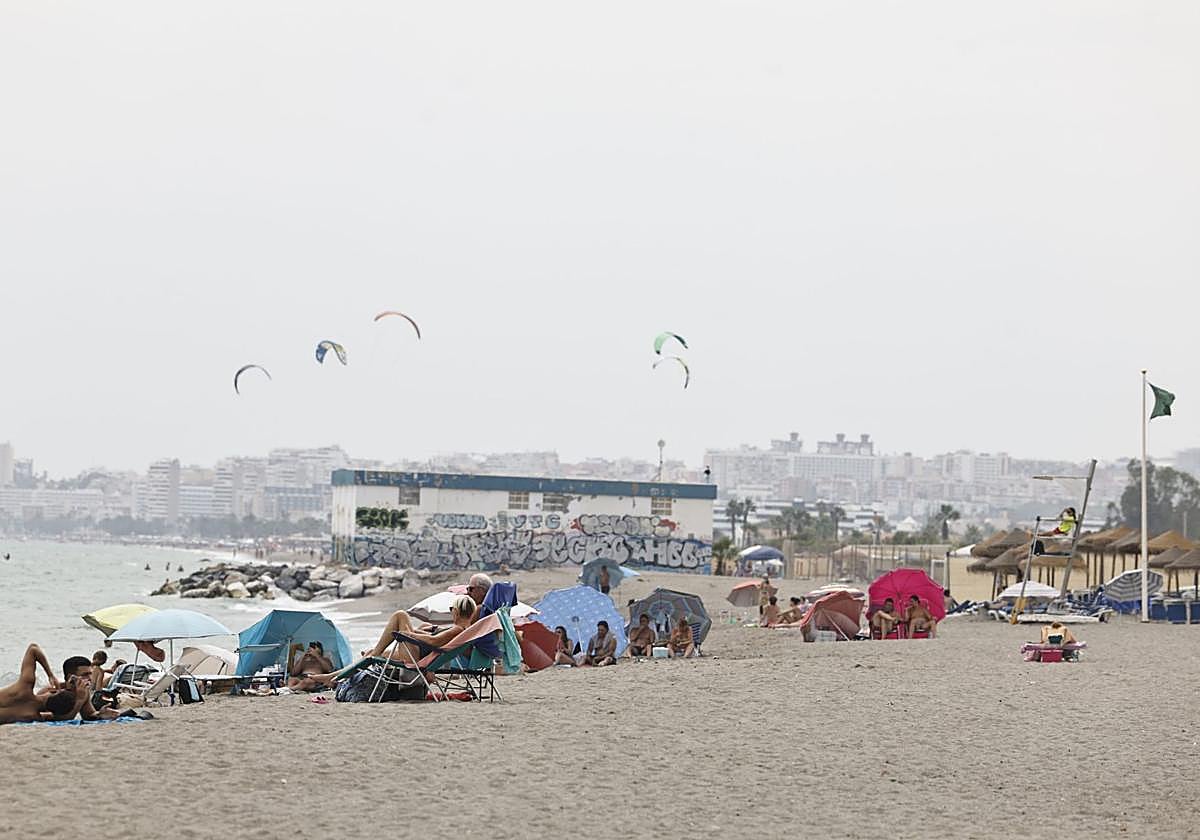

The entire coastline of Malaga city is once again open for swimming. The city council has reopened the beaches at Guadalmar, Sacaba, Misericordia and San ... Andrés after the latest water tests of the Emasa municipal water company confirmed that the water is once again suitable for swimming.
Authorisation from the regional department of health has allowed the lifting of restrictions just in time for the public holiday during the Feria de Málaga, when thousands of locals and visitors head to the beaches.
The four beaches closed last weekend due to deterioration in water quality following the storm in the early hours of Saturday, 15 August. The incident prompted a ban on swimming until tests could confirm that the water was fit for bathing.
Related story
-U84046146306zOm-366x256@Diario%20Sur.jpg)
The cause, according to municipal sources, lies in the overflows that occurred at various points in the sewerage network during the rain. Malaga recorded up to 14mm in one hour on that day.
In certain parts of the city, combined sewer systems carry both sewage and rainwater. When heavy rainfall occurs over a short period, the pipes can become overwhelmed, leading to overflow as they try to prevent the network from collapsing and avoid potential flooding.
The problem is that these discharges may end up in the sea. In fact, post-storm analyses detected the presence of Escherichia coli (E. coli), a bacterium that is commonly found in the digestive tracts of humans and animals and whose presence in bathing waters is used as an indicator of faecal contamination.
Most strains of E. coli are harmless, but some can cause infections, mainly gastrointestinal ones. Contact with contaminated water can cause symptoms such as diarrhoea, vomiting, abdominal pain and fever.
When the authorities detect certain levels of microbiological contamination, they may decide to temporarily ban swimming until further samples confirm that the water is safe again.
The closure had a particularly noticeable impact as it coincided with the fair and one of the busiest periods for beachgoers.
The city council has assured that, over the last few days, the beaches department has carried out cleaning work and removed debris left behind by the storm, while Emasa has continued to monitor water quality.
According to the city council, the definitive solution lies in making progress on the separation of the stormwater and wastewater networks. The target set out in Emasa's water infrastructure investment plan for the 2024-2029 period is for 70 per cent of the city's networks to be separate.
Although separation works have already been carried out in the areas closest to the coast, the city council has new projects under way or in the planning stage to reduce both the risk of flooding and the need for flood relief measures during periods of heavy rain. These include works in Salvador Allende, San Javier, Abogado Federico Orellana, Palma-Palmilla, La Malagueta and Pedregalejo Alto.
There are also plans to carry out work on the historic Carretería sewer, which carries wastewater from the historic centre from Calle Victoria to the port. The city council plans to put out a tender in the coming months for an in-line stormwater tank to store the effluent and prevent overflow.
At the same time, a tender is planned for two new sections of the Dos Hermanas stormwater drainage system: one between the stream and Héroe de Sostoa and another between Héroe de Sostoa and Sor Teresa Prat.
The incident this week has once again highlighted the need to develop infrastructure capable of preventing a severe storm from affecting the water quality at the beaches.
![[]](http://static.vocstatic.com/voc26/latest/assets/images/favicon/surinenglish/apple-touch-icon-57x57.png)