
Infrastructure
Malaga Airport: same team that designed current T3 to plan expansion project
Fairbanks Arquitectos, Sener Mobility and Cemosa have won the contract for drafting the project
Ignacio Lillo and Chus Heredia
Malaga
Much of the team of architects and engineers who designed Malaga Airport's current Terminal 3 will be in charge of its expansion, with the goal of not only handling 36 million passengers, but above all managing peak traffic during the high season. Last year, 26.7 million passengers passed through the airport.
Of the three companies that designed Terminal 3, two are part of the winning team in the competition that the Aena airport operator called: Fairbanks Arquitectos and engineering consultancy Sener Mobility. Prestigious engineering firm Cemosa will collaborate with them in the airport expansion project.
Related story
-
Infrastructure
Ignacio Lillo
This is the first contract for the long-awaited expansion of the airport. It focuses on the architecture of the terminal area. The contract, which will run for 60 months (five years), has a budget of more than 36.5 million euro, before taxes.
This team ultimately won the bid against the runner-up - joint venture Viarium Ingeniería, Ayesa and Artelia Airports. Two other bidders were eliminated in earlier stages of the process.
The project
The administrative processing of this enormous project, the total budget of which is around 1.5 billion euros, is proceeding very quickly on the part of Aena.
It started on 27 June 2025 (less than a year ago), when President of Aena Maurici Lucena met with Mayor of Malaga Francisco de la Torre and head of the provincial authority Francisco Salado.
During that meeting, Lucena presented the conditions of the airport regulation document (DORA III), which was first released in February. The Spanish cabinet is set to approve the five-year document in September.
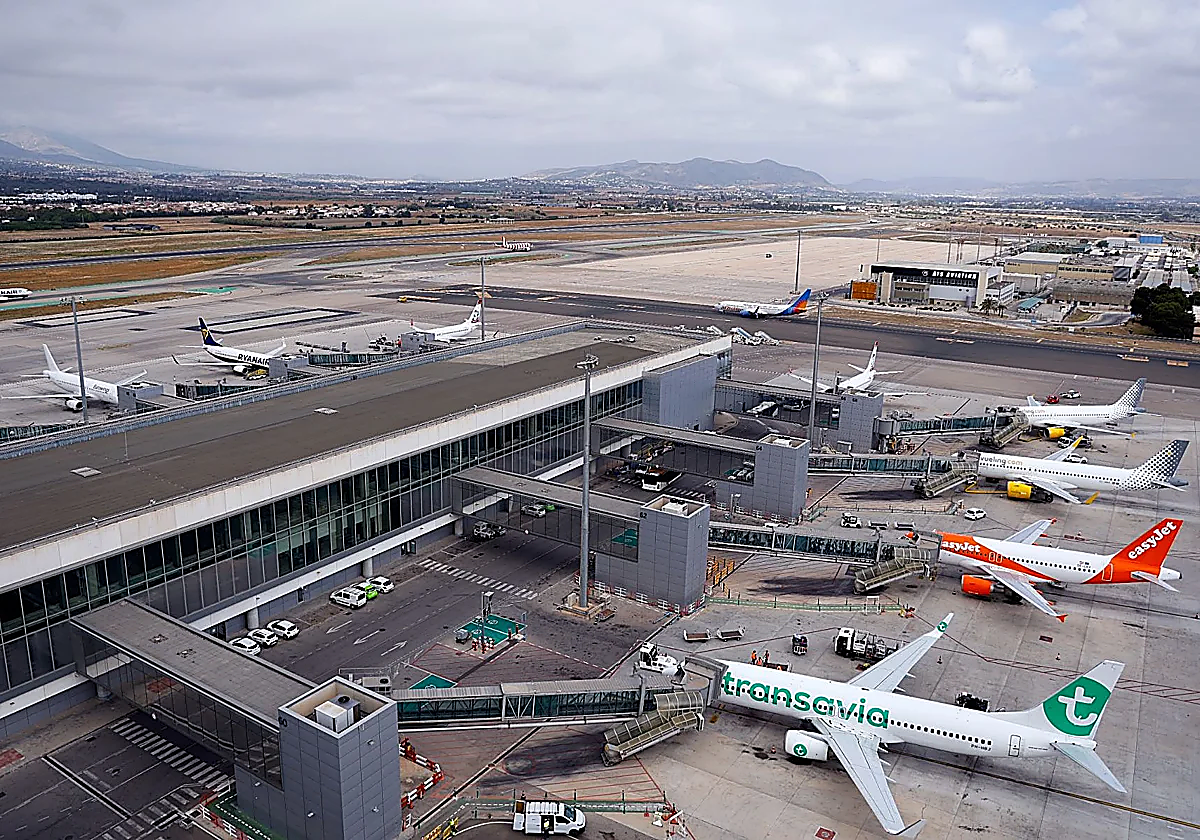
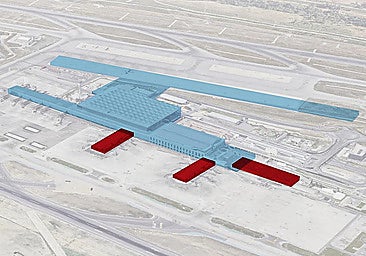
Dora III includes key actions to nearly double the surface area of the space occupied by the terminals from 80,000 square metres to 140,000. In broad terms, the project includes the demolition of Terminal 1, which is currently out of service and the platforms for non-Schengen flights, namely the current B and C docks.
Also included is the construction of a new area next to the second runway, in accordance with the functional design Aena has already prepared.
Among the actions to adapt terminal capacity and streamline airport processes, the following stand out: the construction of a new docking platform for non-Schengen traffic with a centralised border control, an increase in the number of aircraft contact positions (thereby allowing more passengers to board and disembark via airbridges), an increase in the area allocated to security control and a redesign of the baggage-handling system to improve operations for the handling agents.
In figures, the security screening area will increase by 112%, passport control for departures by 515%, the non-Schengen/flexible waiting and boarding area by 381% and the Schengen (EU) flights area by 126%. Commercial areas and retail space will also increase by 41%.
Also noteworthy is the planned 41% increase in the surface area for commercial activity in the main terminal, a proportion that will increase to 43% in the case of the spaces reserved for VIP lounges.
On the airfield, new taxing lanes will be built, connecting runways to the apron where aircraft are parked, which will improve the flow of air traffic on the ground. Urban layout and access points will be improved, in addition to increasing parking capacity and optimising use of that car parking.
In light of the results of this first competition (another is still pending and is currently in the bidding phase), the drafting of the projects is expected to begin around the summer. If the deadlines is met, the environmental permitting process is scheduled for 2028 and the aim is for the renovation work on the site to begin towards the end of 2029.
![[]](http://static.vocstatic.com/voc26/latest/assets/images/favicon/surinenglish/apple-touch-icon-57x57.png)