
Culture
Malaga to install new lighting at the Alcazaba to open it for nighttime visits
The provincial heritage commission has also authorised the restoration of the La Trinidad convent and requested a change to the protection status of the Térmica extension and refurbishment

Málaga
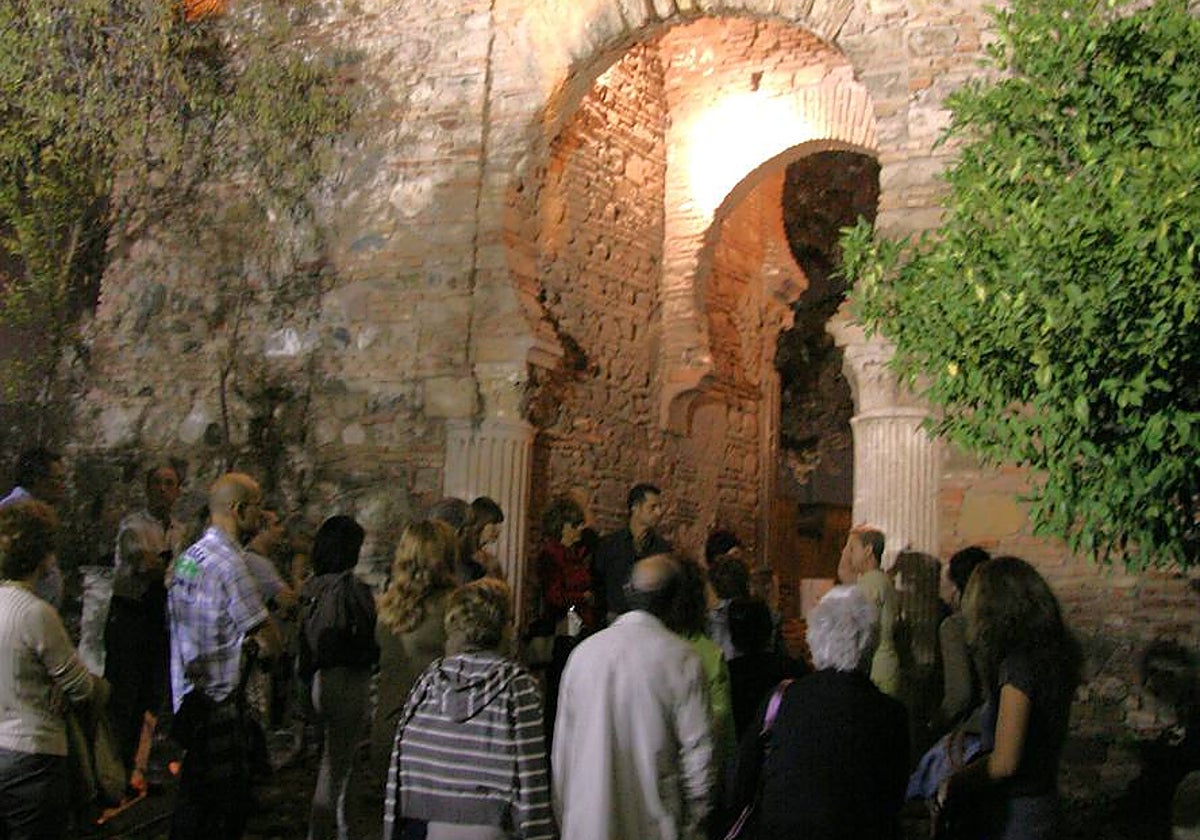
Malaga's provincial heritage commission has definitively approved the installation of a lighting system at the Alcazaba that would allow nighttime visits of the ... monument.
This is a decisive step in making this long-awaited project a reality. At the moment, the Alcazaba only opens for night visits on special occasions, such as Noche en Blanco and other events.
The provincial heritage commission has also approved another ambitious project in the Costa del Sol capital: the refurbishment of the La Trinidad convent. It has also requested a further review of the plans for the expansion of the Térmica.
The new lighting for the Alcazaba's nighttime route has, over the past year, been the subject of two objection reports submitted by experts. The city council has finally managed to overcome this obstacle.
The new system will allow visitors to walk safely at night and highlight the monument's gardens and the palace area. The installation will extend from the entrance to Plaza de Armas, passing through Bóveda Vaída, Columnas and Cristo gates.
The final favourable report from the regional ministry of culture, part of which is the provincial heritage commission, authorises the works at the Alcazaba, although it makes the project and earthworks conditional upon an archaeological survey by the urban planning department.
The municipal culture department now has the green light to launch the tender for this project which, provided there are no delays, could be completed next year.
In the first half of 2026, Alcazaba and Gibralfaro together welcomed over one million visitors.
Detailed study
At the same meeting, the provincial heritage commission granted its authorisation for the refurbishment of the La Trinidad convent as a cultural centre, an intermediate provincial archive and an administrative headquarters.
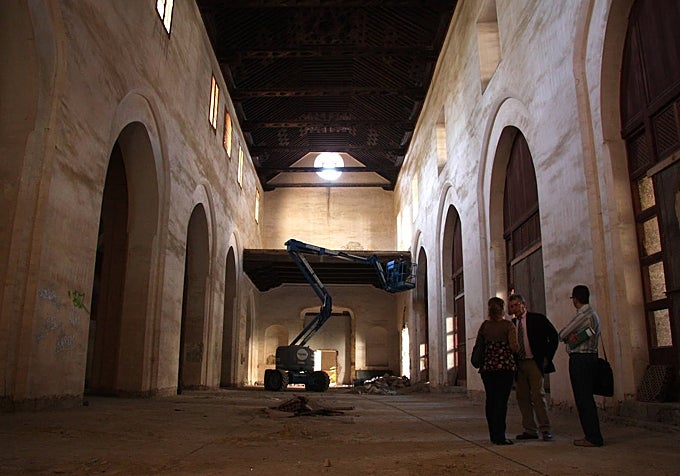
The detailed design study sets out a new layout organising underground spaces and specifies the proposed uses while maintaining its character as a cultural facility, ensuring the protection of the property and the preservation of its heritage values.
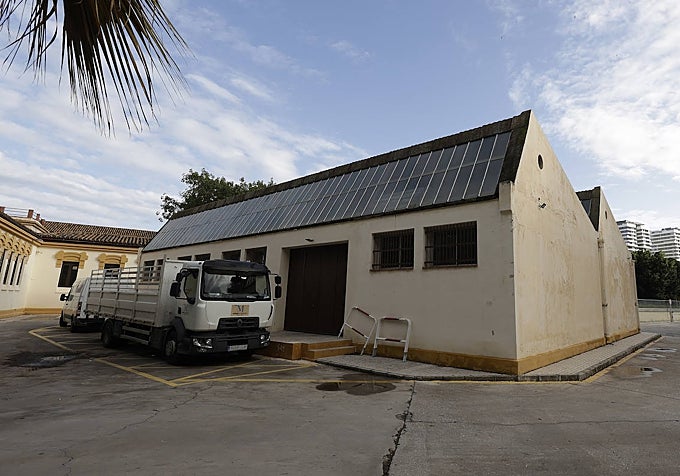
The third project that was also put under scrutiny and analysed by the experts was the extension and reorganisation of the provincial authority's La Térmica urban culture centre in La Misericordia. In this case, there are more constraints than merely archaeological ones: an urban planning dispute that requires further administrative procedures.
The detailed study provides for the demolition of a maintenance building which, although built after the original construction of the former centre and lacking architectural and historical value, is listed as part of the protected building complex of the Casa de la Misericordia.
The provincial heritage commission acknowledges that the service building "has little to do with the values to be protected" of the rest of the site. It has therefore urged the provincial authority to request a prior amendment to the catalogue of protected buildings in Malaga's PGOU (general urban development plan) so that the building due for demolition can be declassified and separated from the rest of the buildings subject to conservation measures.
Consequently, the project to redevelop and extend the provincial complex on Avenida de los Guindos and La Térmica is conditional upon the removal of the building from the aforementioned town planning list. Until then, final approval cannot be granted.
The regional ministry of culture has also ordered preventive monitoring of the forthcoming demolition and earthworks, given the proximity of the industrial building to the protected La Térmica cultural centre and the impact this will have on it.
![[]](http://static.vocstatic.com/voc26/latest/assets/images/favicon/surinenglish/apple-touch-icon-57x57.png)