
Malaga Airport to receive 830 million euros for major expansion
The five-year programme will nearly double the terminal, add non-Schengen facilities and lift annual capacity to 36 million passengers

Malaga
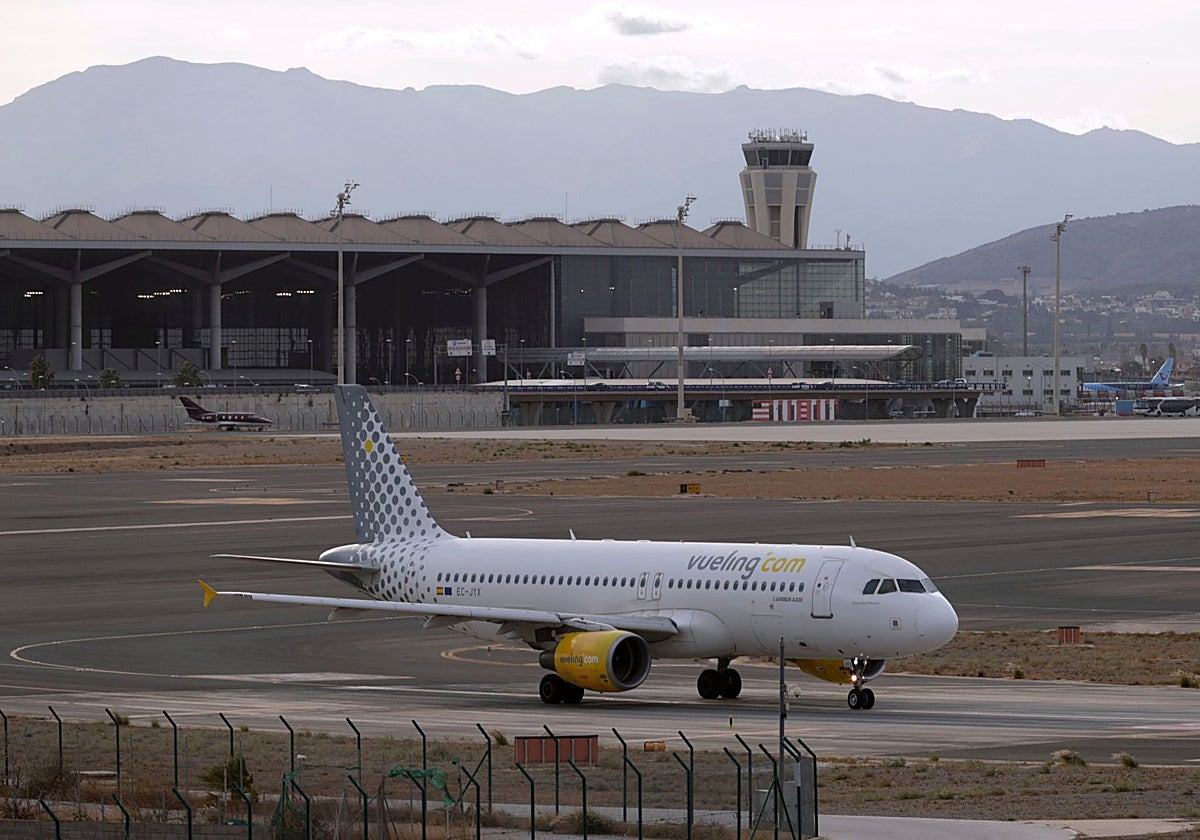
Malaga-Costa del Sol Airport is to receive 830 million euros to expand its facilities so it can handle up to 36 million passengers a ... year under the DORA III airport investment plan approved by the Spanish government on Tuesday.
The Cabinet has given its final approval to the plan, which sets out the investment required across Aena's airport network between 2027 and 2031. The figure allocated to Malaga is almost half the 1.5 billion euros that transport minister Óscar Puente announced in July 2025 at a forum organised by SUR.
The Airport Regulation Document (DORA) provides the framework for transforming Malaga Airport over the next five years. Aena's board approved the plan in February, and it can now take effect following Cabinet approval.
The plan includes an expansion of the terminal area and forecasts that Malaga Airport will handle 30.8 million passengers by 2031, when the expansion works should already be well advanced. The airport's current maximum capacity is 30 million passengers.
Malaga is expected to remain Spain's fourth busiest airport in five years, behind Madrid, with 73.3 million passengers; Barcelona, with 60.2 million; and Palma de Mallorca, with 35.7 million. Alicante Airport is forecast to follow Malaga with 22.3 million passengers and is also due to undergo a terminal expansion.
The final figure for Malaga Airport is almost half the 1.5 billion euros that the Minister for Transport, Óscar Puente, had announced in July 2025
Of the nearly 13 billion euros being invested across Spain's airport network, Madrid-Barajas accounts for the largest share, with almost 4.5 billion euros. Catalonia follows with nearly two billion euros, including 1.77 billion for Barcelona-El Prat, while the Canary Islands will receive just over 1.8 billion euros for projects spread across its airports.
The Valencian Community is allocated more than 1.27 billion euros, including 868 million for Alicante-Elche and 400 million for Valencia. The Balearic Islands will receive more than one billion euros for projects at Palma de Mallorca, Ibiza, Menorca and Son Bonet. When individual airports are ranked by direct investment, Malaga's 830 million euros places it fourth.
Doubled surface area
The expansion project, which has already been presented, will almost double the airport's overall surface area. Contracts worth 90 million euros have already been approved during the period covered by DORA III, while the improvements are intended to connect the Costa del Sol with 200 destinations worldwide and establish Malaga as a new international hub.
The terminal area will increase from 80,000 square metres to 140,000 square metres: the project includes a new pier for non-Schengen traffic with centralised border control, more aircraft stands and a larger area for security screening.
It will also redesign the baggage handling system to improve operations for ground-handling companies and increase the area allocated to commercial activity in the terminal by 41 per cent.
New taxiways will also be built on the airfield. These will connect the runways with the apron where aircraft are parked and are intended to improve aircraft flow around the airport. The two existing runways, however, already have sufficient capacity to absorb projected long-term demand for flight operations and are expected to continue to do so.
Outside the terminal, the project includes improvements to surrounding infrastructure and access routes, as well as expanded car parking and changes to make better use of available space.
Airport changes
The nearly 13 billion euros to be invested over the next five years will not come from the General State Budget. Instead, the money will come from revenues generated by Spain's airport system, managed by Aena, a company dependent on the Ministry of Transport that also has private shareholders.
Puente said DORA III would effectively freeze airport charges, with average airport fees increasing by just three euro cents per passenger each year.
Of the investment planned for Spanish airports, just under 10 billion euros relates to regulated investment directly linked to aviation activity. A further three billion euros or so will go towards non-regulated investment outside this framework, mainly in commercial activities.
Importance to the economy
The government has described the overall investment as the largest in history, pointing to a series of passenger traffic records at Aena's airports. They handled more than 309 million passengers in 2024 and 321 million in 2025, while more than 190 million passengers passed through the network during the first seven months of 2026, 4 per cent more than during the same period last year.
August 2026 also saw the highest level of air activity ever recorded in Spain, with 34.9 million passengers.
Puente has highlighted the importance of air transport to the Spanish economy, saying it accounts for 5.9 per cent of GDP and generates around 600,000 direct and indirect jobs. He also stressed Spain's position as a major tourist destination, noting that more than 80 per cent of visitors arrive by air.
![[]](http://static.vocstatic.com/voc26/latest/assets/images/favicon/surinenglish/apple-touch-icon-57x57.png)