
False alarm at Malaga Airport following early-hours bomb threat in Terminal 2
National Police have launched an investigation to trace the caller who phoned the airfield police station at 03:00 claiming an explosive device had been planted
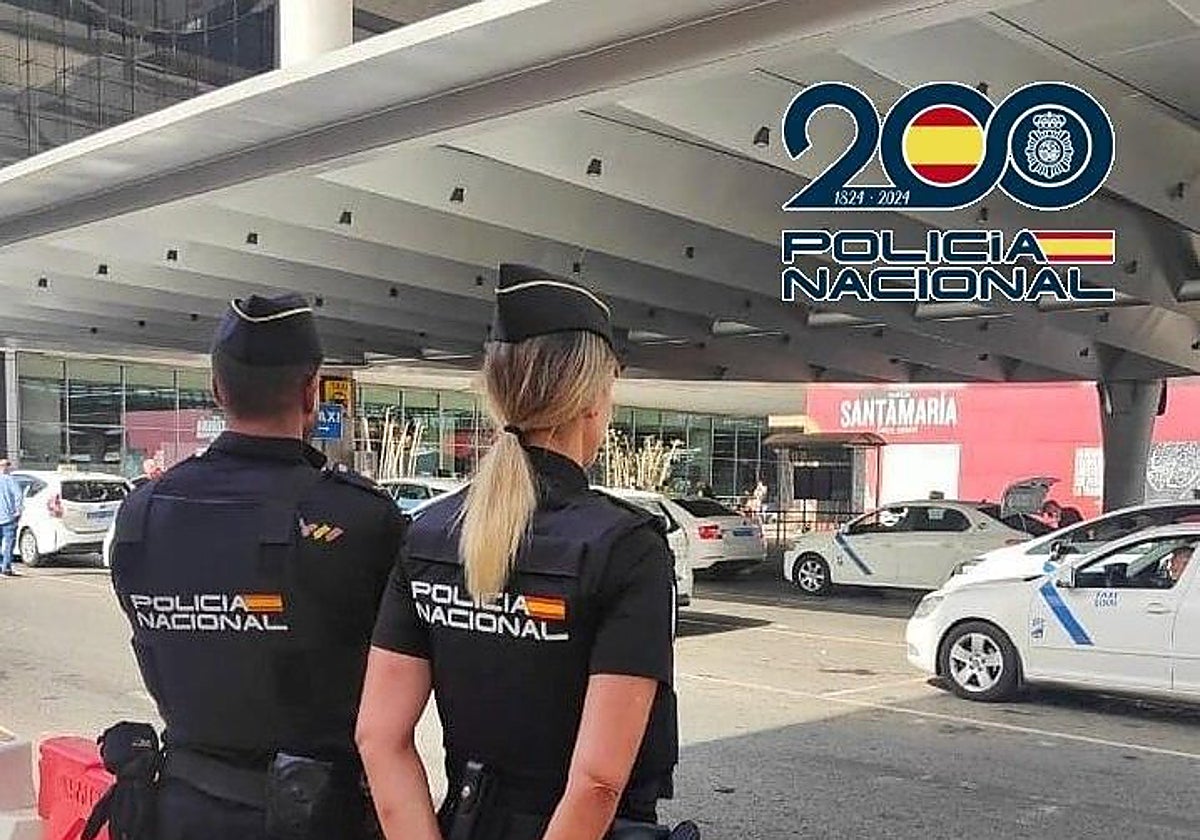

Malaga airport has been at the centre of an early-hours bomb scare.
National Police reacted immediately after receiving a call saying a bomb had ... been placed at Malaga Airport’s T2 terminal.
Specialist officers with sniffer dogs were sent to the airport.
The National Police confirmed in a statement this morning: “We can confirm that an investigation has been launched following a phone call received early this morning at approximately 3am, at the Malaga Airport police station, warning that a bomb had been placed in Terminal 2.
“The report has proven to be a false alarm.
“In response to the threat, the National Police deployed a team that included, among other units, bomb disposal TEDAX experts and K-9 dog handlers.
“The search has now concluded, and the presence of an explosive device has been ruled out. It is reiterated that this was a false alarm.”
Detectives were today trying to establish who was behind the call. No arrests have yet been made.
Last Wednesday it emerged a packed tourist jet had been at the centre of a new bomb scare on the holiday island of Tenerife.
Guardia Civil officers searched the Ryanair plane after it was moved to a “safe” area of Tenerife South Airport and passengers evacuated.
Police confirmed it was a false alarm after carrying out checks.
Around 80 schools in Spain’s northwest Galicia region were affected last Wednesday by hoax bomb alerts in a new wave of scares.
Most were registered in La Coruna but schools in the cathedral city of Santiago de Compostela, Lugo and Pontevedra were also affected among other places.
The bomb hoax threats were sent by email, as happened with earlier incidents in countries like Italy and Ireland.
Teachers and students were evacuated in all cases and the educational centres cordoned off before police with sniffer dogs declared them safe.
The scares followed bomb alerts on planes across Europe and further devastating hacking attempts on blood banks and supermarkets.
Security experts said after the wave of plane incidents on November 3 and 5 they bore the hallmarks of a more coordinated ‘hybrid attack’ with the finger being pointed at Russia.
Many European officials have accused Vladimir Putin’s regime of masterminding sabotage and hybrid attacks since its 2022 invasion of Ukraine.
Among the planes affected was an Aer Lingus plane heading from Dublin to Rome which was forced to land in France just 90 minutes into its journey after declaring a mid-air emergency.
