
Squatters
Canadian mother's Benalmádena squatter nightmare leaves three-year-old daughter unable to start school
Short-term tenancy turns to non-payment as family refuses to leave, forcing landlady to cover utility bills while eviction is delayed in Torremolinos court

Benalmádena
It was just a temporary let to earn some money, and it has ended up turning her life upside down.
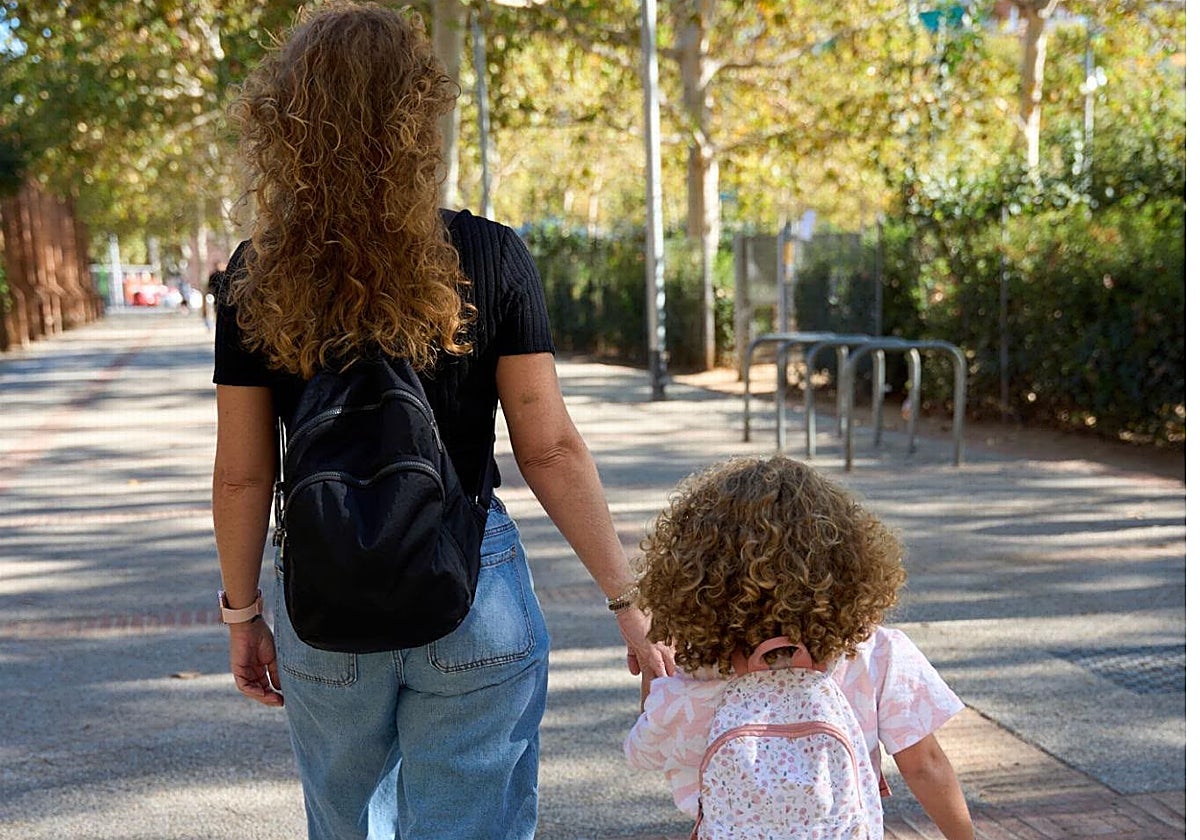
This is the story of ... a 35-year-old Canadian woman who has been living in the province for five years. Three years ago, her daughter was born at the Maternity and Children’s Hospital in Malaga, and this September was marked in red on her calendar: her little girl was due to start school at a school near their home in Benalmádena.
Everything was perfect, including the school, which was bilingual – an important factor as the little girl currently speaks only English. But the tenants have ended up becoming squatters, and the little girl is still not attending school. “Now I think I was the perfect victim: a woman, a foreigner and a single parent,” explains Emily, who prefers to keep her real name confidential.
Related story
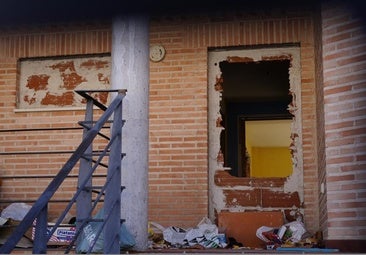
It wasn’t Emily who bought the property, but her parents, seven years ago, two years before she decided to come and live in Spain.
The idea was that the rent would provide her with an income that would allow her to gradually build up some savings. Whilst the property was let out, her plan was to live at her aunt and uncle’s house, who also live in the province, but in a different town: Alhaurín de la Torre.
That is what she did, and she has been forced to continue doing so, because Emily is still living at her aunt and uncle’s house with her daughter. Now her parents are living there too. “They’d planned to come and help me with the little girl and for us all to be together in our own home, but now we’re all at my aunt and uncle’s; there are six of us, and my daughter and I don’t have the space we need,” she explains.
‘Now I realise I was the perfect victim: a woman, a foreigner and a single parent’
The tenancy agreement - “a short-term tenancy, not a long-term one”, Emily points out - began in October 2025 and was due to end this September: but the family only paid the rent for the first three months. In January they stopped paying and haven’t paid since. Meanwhile, Emily is covering all the bills – not just the property tax or the rubbish collection charge, but also the electricity and water – so the tenants are currently enjoying a free home in the broadest sense of the term.
“They seemed like a normal family – she’s Spanish and he’s Portuguese, both around 55 years old, with a son who must be about 16 – and they were happy with a temporary tenancy agreement because they said that, due to their work, they could live anywhere along the coast and were even thinking of moving to Portugal,” she explains.
Waiting for the judge
The costs Emily has to bear for her home are also the costs she is incurring in trying to get it back through the legal proceedings she has initiated to have the family squatting in her home evicted, whilst grappling with legislation she is unfamiliar with.
When they stopped paying in January, she demanded the rent, but right now ‘I have no contact with them; they even went so far as to tell me I couldn’t bother them and that if I contacted them it would affect their work’.
At no point, she says, did the family ask her for a rent reduction or tell her they were experiencing any financial difficulties that meant they couldn’t afford the rent; they simply stopped paying, which reinforces her view that she was, in fact, nothing more than a victim from the very beginning.
‘I don’t know if I’ll be able to get the house back in a month, in six months or in a year. And that’s why my daughter isn’t in school – where am I supposed to send her?’
The eviction proceedings have continued in a court in Torremolinos, which set the eviction for 10.30 am on Thursday 24 September. However, the squatters’ family have continued their efforts in what appears to be a ploy to delay the process. “They claimed they had no legal representation, yet on Monday they turned up at the court with a solicitor and a legal representative,” he explains. The eviction has now been put on hold “and we are waiting to see what the judge decides”.
The progress of those legal proceedings also explains the situation she finds herself in. “I don’t know if I’ll be able to get the house back in a month, in six months or in a year. And that’s why my daughter isn’t in school. What am I to do? Do I drive 80 minutes every day to take her to and from school? Or do I enrol her in Alhaurín de la Torre, only to end up taking her from Benalmádena if we get the house back soon?”, she wonders from her aunt and uncle’s house.
Her perfect plan is now in the hands of a judge, although, in reality, it will no longer be perfect because, of course, she neither has the money she’d planned to have nor is the place at the bilingual school next to her home still waiting for her daughter.
![[]](http://static.vocstatic.com/voc26/latest/assets/images/favicon/surinenglish/apple-touch-icon-57x57.png)