
Water
Fault leaves 900 residents in rural areas of Alcaucín without water
The latest cut comes just three months after another incident which also left a third of residents without a water supply after mercury was detected in water deposits in the Malaga province village
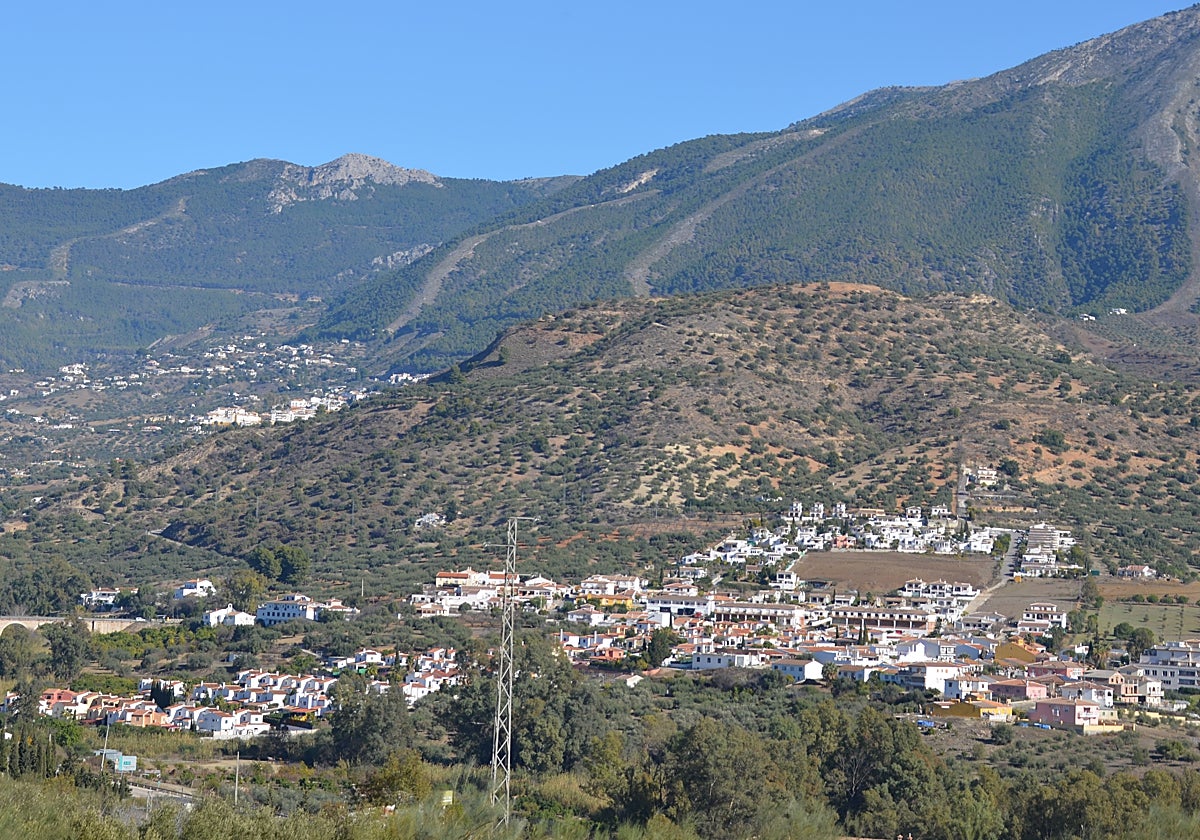

A fault in the mains water network affected the supply to much of the rural area of Alcaucín in the Axarquía area of Malaga province ... on Wednesday 5 July. Although the town hall has not provided a specific figure, the disruption could affect around 900 people. The latest official figures put the number of registered residents in the municipality’s rural areas at 934, out of a total population of 2,713.
The town hall statement posted on social media lists Zárate, Arenal, Venta Alta, Pilarejo, Morenos, Provincias, Bañurlo, Almeses, Toril, Torcales and Rioseco, among other others, as being among the affected areas. The town hall added that Peña 2, Toril and Torcales are part of the network known as Peña 1 and have therefore also been affected by the fault.
“Work is under way to resolve this as soon as possible,” said Alcaucín town hall in a message posted on its social media channels. At present, the town hall has not specified how long the disruption will last, nor has it announced the provision of water tanks or alternative water supply points.
The issue is affecting the entire rural area of Alcaucín, where some 900 people live, according to the latest official figures available
This incident comes less than three months after mercury was detected in the water supply, triggering a health alert in the Venta Baja-Puente Don Manuel water network. That incident affected around a thousand residents, who were unable to use tap water for drinking or cooking after mercury was detected in tests carried out on the El Cerro deposit.
Unlike in May, the current statement does not warn of water quality issues or contamination, but rather of a physical fault in the main water main that is preventing or hindering the water supply. No health restrictions been imposed as yet on households that store water in private tanks.
The incident was caused by a burst pipe, which led to the water in the reservoir becoming contaminated with heavy metals. Subsequent analyses focused on mercury levels and showed results within the legal limits at various representative points across the network. The regional health and consumer affairs office declared the water safe on 27 May, eight days after the alert was issued.
![[]](http://static.vocstatic.com/voc26/latest/assets/images/favicon/surinenglish/apple-touch-icon-57x57.png)