
Agriculture
Axarquía village to create Japanese garden as part of major commitment to cherry trees
Alfarnate town hall plans to allocate 80,000 euros towards the purchase of a plot of land in the Pozo del Rincón area to plant the sepcies for which it is well-known throughout Andalucía
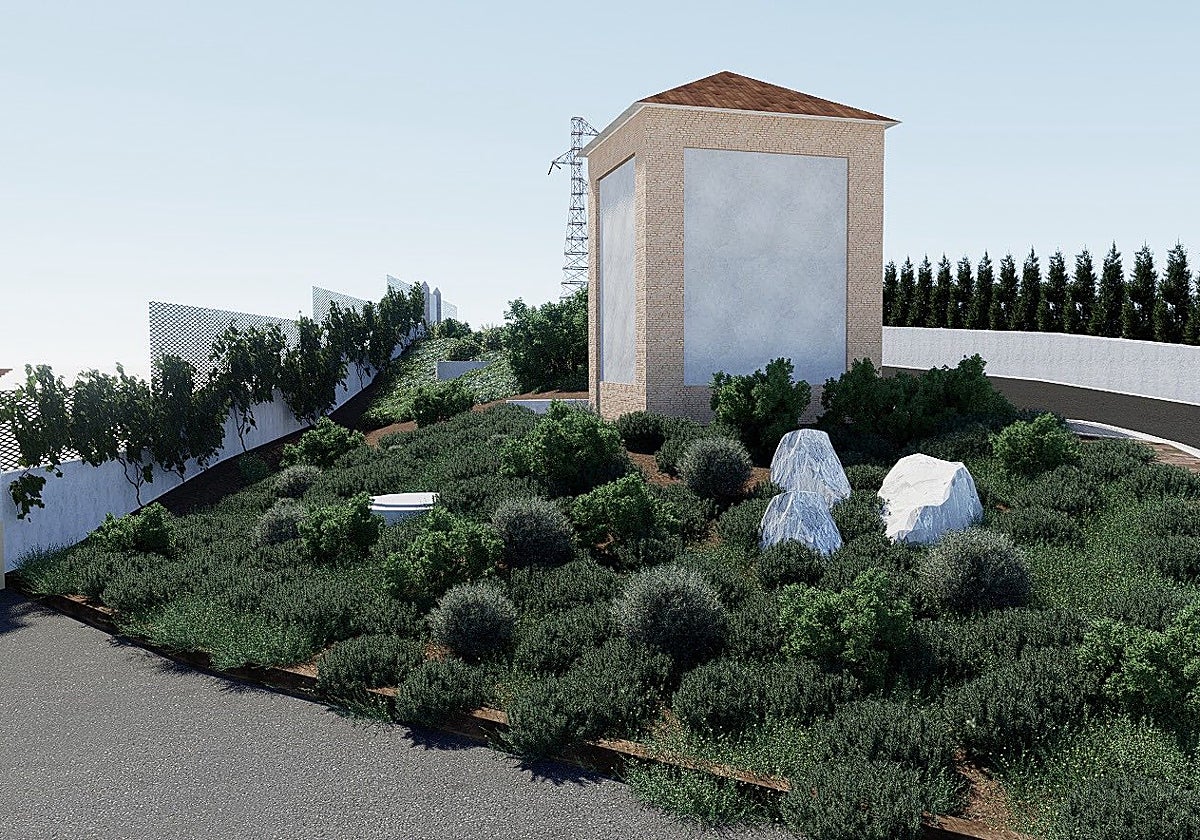

The village of Alfarnate in the Axarquía area of Malaga province continues to make progress in its efforts to make the cherry blossom one of ... its main tourist attractions.
The town hall has begun the process of acquiring a 3.4445-hectare plot of land the Pozo del Rincón area, where it plans to create a large Japanese garden linked to cherry cultivation and the Sakura festival.
The tender documents for the acquisition have been published in the Official Bulletin of the Province of Malaga (BOP), as reported by the town hall via social media.
Related story
The mayor of Alfarnate, Juan Jesús Gallardo, has told SUR that the council plans to allocate 80,000 euros towards the purchase of the land. “We have bought it to add it to a plot already owned by the council,” said the mayor, referring to a transaction that will enable the council to consolidate land for the development of the Japanese ‘Zen’ garden project.
“We are working on the local development plan to rezone that land for urban use, with the aim of dedicating a large part of the site to the construction of a Japanese garden and another part to public use.”
The town hall's aim is to develop an urban plan for the area in order to create a unique space centred on Japanese culture, which the village has already incorporated into its festival and tourism calendar thanks to its annual Sakura festival. “We are working on the local development plan to rezone this land for urban use, with a large part of the site to be dedicated to the construction of a Japanese garden and another part set aside for public use,” Gallardo revealed.
For the time being, the mayor has not specified any deadlines for the project’s implementation or an overall investment figure, as the planning documents will need to be finalised first. “We still have to draw up the planning documents,” explained the mayor, who sees this purchase as a preliminary step towards shaping a more far-reaching initiative.
A flagship crop
The future Japanese garden is envisaged as a new aspect of the village's strategy to reinforce its identity as the so-called ‘Jerte of Málaga’, a mountain municipality where the cherry tree has become an iconic crop and a tourist attraction during the spring blossom season. The village, situated at an altitude of around 925 metres above sea level, enjoys favourable climatic conditions for this fruit tree, particularly due to the number of hours of cold weather.
Earlier this year, the town hall subsidised the planting of 1,000 new cherry trees by farmers in the village, covering 50 per cent of the cost of the saplings, as well as VAT and transport, with the aim of expanding the area under cultivation, rejuvenating farms and strengthening an agricultural activity closely linked to the local identity.
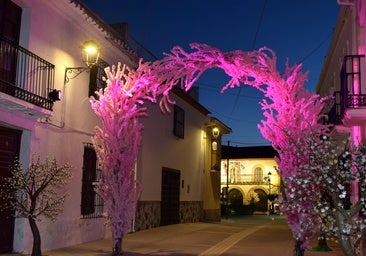
In recent years, Alfarnate has increasingly linked the cherry tree with the promotion of tourism. The Sakura festival, inspired by the Japanese cherry blossom season, has incorporated workshops, parades, a craft market and themed cuisine, attracting visitors to a village with a population of barely a thousand and strengthening the link between landscape, agriculture and culture.
In recent years, Alfarnate has increasingly linked cherry trees with the promotion of tourism
The town hall had also previously announced the creation of the first Japanese ‘Zen’ garden in the area around the Casilla de la Luz, conceived as a pilot project and a precursor to the future large Japanese garden. According to the town hall, these kinds of spaces are designed for contemplation and meditation, featuring elements such as raked gravel or sand symbolising water, and stones representing mountains or islands.
With the purchase of the Pozo del Rincón estate, the council’s aim is to add a new tourist and scenic attraction that complements the cherry blossom season, extends the town’s appeal beyond specific dates and strengthens the cultural offering of the Axarquía’s inland area.
Tourism
This initiative comes at a time when many rural municipalities are seeking ways to diversify their economies, retain their populations and generate local economic activity. In Alfarnate, the cherry tree already serves as a focal point for agriculture, tourism and local identity, and the future Japanese garden aims to reinforce this distinctive identity.
Pending the completion of the planning process and the setting of implementation deadlines, the project aims to make Alfarnate a provincial hub for inland tourism centred on the blossom, the landscape and Japanese culture. This marks a further step in the council’s strategy to combine agricultural tradition, rural development and new tourist experiences in the Alta Axarquía.
![[]](http://static.vocstatic.com/voc26/latest/assets/images/favicon/surinenglish/apple-touch-icon-57x57.png)