
Transport
Malaga-Madrid flight fares rocket to up to 400 euros
Passengers are calling for a cap on all fares for alternative modes of transport in the wake of rail tragedies such as the one in Urda

Málaga
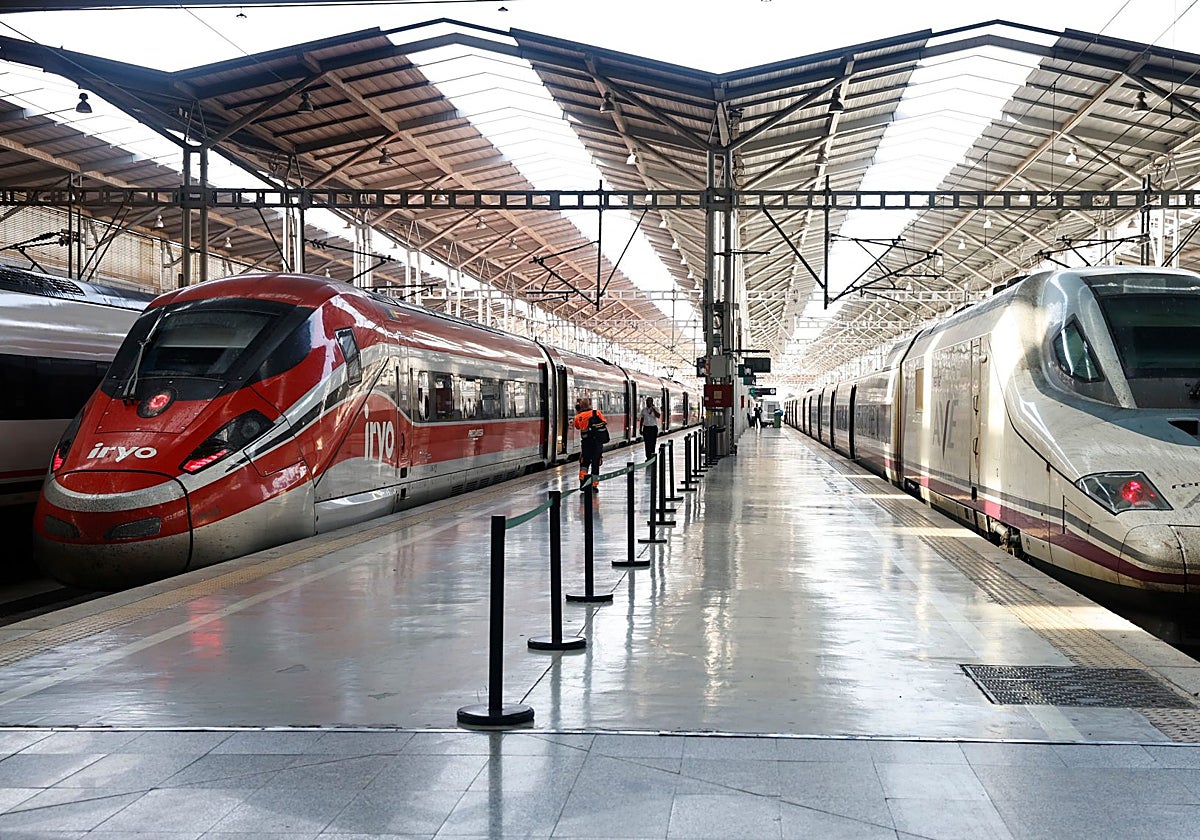
Malaga province is once again cut off from the high-speed rail network following the tragic accident in Urda, ten months after the collision in Adamuz ... . In the wake of the rail accident, alternative transport fares have rocketed.
On top of the difficulties in securing a ticket due to limited availability and despite the additional flights Iberia and Air Europa have introduced, the cost of travelling to Madrid is sky-high.
Despite Iberia's commitment to cap prices at 99 euros per ticket in economy class and 149 in business class until 8 November, early on Thursday there was a string of complaints from travel agencies that prices were higher, although by the afternoon the website was showing fares of 98 euros each way. That said, there are almost no seats available.
Travelling to Madrid by plane can cost up to 400 euros. "It's exasperating. Since yesterday, we've only been receiving cancellations of train tickets, even for dates when the service is expected to be up and running again. Customers are ruling out the AVE and the alternative is to fly. That's when the complaints start, because there's no way to find tickets and the costs are unaffordable," a travel agency said.
Chairman of the Costa del Sol travel agents' association Sergio García added: "It is very sad what we are going through. It's a joke on everyone." He stated that this also paints Spain in a bad way abroad.
At another travel agency, they told the story of a customer who has a train ticket to Madrid next month because she is flying from Barajas to Argentina. Following this second high-speed train accident, she has asked to cancel her AVE ticket and book a flight instead, but as the cost of travelling from Malaga to Madrid is almost as much as the flight to Argentina, she has opted to travel by bus despite having a transatlantic journey ahead of her.
Consumer organisations are reviving an old demand. The tragic rail accident in Urda has once again brought to the fore the need for the alternative transport market to step in when a disaster or emergency paralyses the public rail network. Faced with the huge numbers of passengers seeking urgent alternatives such as buses, hire cars or intercity flights, organisations such as Facua and Ocu are calling for a statutory price cap to prevent exploitative price rises resulting from dynamic pricing algorithms.
For these organisations, it is essential that maximum prices be set by law to stop them from exceeding the average over the last 30 days. At most, tickets should not exceed the highest price they've been over the past month. The consumers' organisations also call for dynamic pricing algorithms to be eliminated in emergencies.
They believe that, in the event of a prolonged disruption to rail services, the Ministry of Transport should coordinate a free or 100 per cent state-funded alternative transport plan for affected passengers holding a valid ticket.
The recent rail tragedy has once again disrupted people's ability to get about. Asufin, as a member of the European consumer organisation BEUC, said that events of this nature "disrupt supply and demand, leave users in a truly desperate situation and highlight the role of dynamic pricing. These indiscriminate price rises are not, in many cases, the result of human decision-making, but rather stem from the application of automated algorithms".
Meanwhile, travel between the Costa del Sol and Madrid is extremely limited, despite Iberia announcing a 42 per cent increase in flight capacity to Andalucía to meet the rise in demand following the train crash in Urda. In total, there will be 1,080 additional seats. By route, flights between Madrid and Malaga will have 720 more seats, while those between Madrid and Seville will have 360 more.
For this Friday, 30 October, Iberia will add a further 1,760 extra seats, double the number originally planned, across eight additional flights. Specifically, on the Madrid-Malaga route, there will be two additional flights at 6.30am and 6.50pm, and from Malaga to Madrid at 8.25am and 8.45pm.
