
Health
Rainfall brings an earlier, longer and more aggressive allergy season to the Costa del Sol
The president of Alergosur recommends that those allergic to pollens start taking antihistamines now
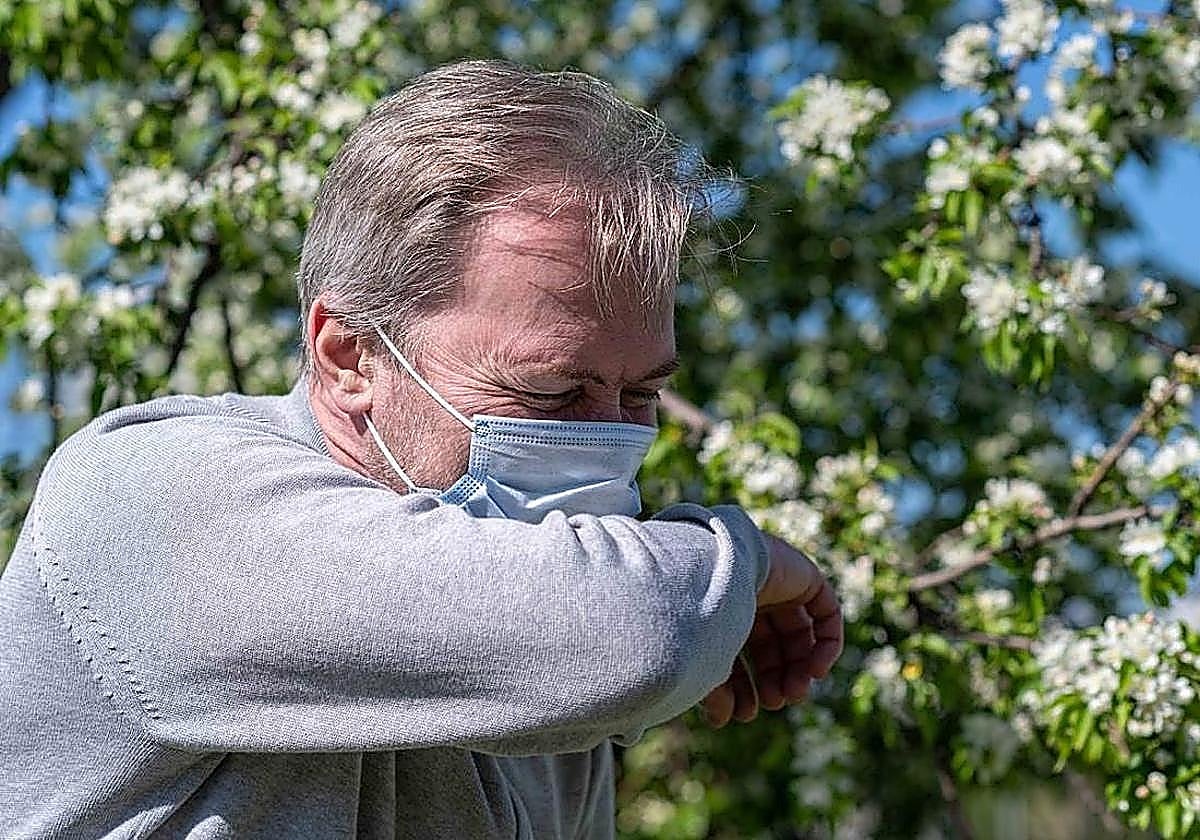

More than 293,000 people in Malaga province are allergic to pollens. This is according to estimates by the president of the Andalusian society of allergology and clinical immunology (Alergosur), doctor and allergist Carmen Rondón.
This is the group of people who will suffer most from what is expected to be a longer and more aggressive allergy season than usual, especially after all the rain that has hit the province since the end of November. That amount of water has brought forward the pollination of many species. Together with the heat that will arrive in just a few weeks, it makes for a cocktail that is difficult to digest for allergy sufferers.Between 20 and 23 per cent of the population is allergic and, of these, 75 per cent suffer from respiratory allergies. Of the latter group, 90 per cent are allergic to pollens, explains this head of the allergology clinical management unit at the Malaga regional university hospital.
As the doctor says, “climate change is combining torrential rains and high temperatures in the same year, and this is a perfect scenario for vegetation to flourish and for pollination rates to increase year after year: in Malaga it seems as if we are experiencing the landscapes of Galicia, everything is green.”
Rain
The later autumn rainfall and the recent heavy squalls have delayed cypress pollination slightly - however, red level readings have already been recorded in several areas of Andalucía.
What she foresees is that, starting in the coming days, levels of urticaceae, grasses and, above all, cypress will begin to rise significantly. Urticaceae are the main species of the parietaria family - a plant that pollinates very heavily in the Mediterranean region. When it comes to grasses, she notes that, as in the last two or three years, pollination is being brought forward due to the heavy autumn rainfall. This is likely to have a serious impact on allergy sufferers, particularly given the growing trend of allergy onset in adulthood. In the past, symptoms typically first appeared during childhood or adolescence.”
"It is becoming increasingly common to find people in their 30s or 40s who have never been allergic and who begin one spring with an asthma attack that catches them unaware," explains Dr Carmen Rondón
“It is increasingly common to find people in their 30s or 40s who have never been allergic and who begin one spring with an asthma attack that catches them unaware, because they have never had symptoms before, have no medication at home to use and have to go to the emergency room,” she warns.
She advises starting to take antihistamines preventively, “so that when the strong outbreak arrives you are already on the treatment, as well as reducing the symptoms, which are very intense”. Asthmatics, she adds, should also start preventive treatment “with the inhalers prescribed by their doctor as soon as they start to see moderate levels of pollens” and those who have never been allergic, but had symptoms last year and start to feel unwell at the beginning of spring, should go to their GP for referral to the allergist.
“There are very effective treatments that can modify the course of the disease, such as vaccines. Immunotherapy in allergy is currently the only treatment directed against the cause of the disease and which stops it from evolving into more serious symptoms, as well as stopping respiratory allergic diseases such as asthma, conjunctivitis or atopic dermatitis,” she says
An extended pollination season
The pollination season “is extended in time because, as there is more flowering due to the rain, there are more plant species that flower and they overlap one another, not all of them flower at the same time: patients allergic to pollens are usually allergic to more than one type of pollen, so they can start with symptoms as early as February due to cypress and grasses or urticaceae, and then continue through March, April, May, June and sometimes even until mid-July,” she explains, as well as recalling that from April to June “the big peak of the olive trees” will come, which is especially virulent in the Axarquía area.

Antonio Picornell is a doctor and works in the department of plant biology at the University of Malaga. On the advance of pollen levels in the air, he confirms that the rains of the last few months are a key factor.
“In general, we do see an advance, especially with holm oaks. This year they have started to flower two weeks earlier than last year. It is not yet known whether the same will happen with olive trees and other species. At this time of year, we are already detecting high concentrations of cupressaceae and parietaria pollen.”
His team updates the pollen levels detected by the measuring station every Wednesday. “During last week, the concentrations of parietaria and cupressaceae pollen have reached high and, occasionally, extreme levels. Pine and Quercus pollen concentrations are starting to increase progressively. It is expected that during the next few weeks the concentrations of the latter two pollen types will increase and that the concentrations of cupressaceae and parietaria will remain at similar levels to the current ones,” the website reports.
"It is important to have a diagnosis that identifies which pollens you are allergic to or to which other types of allergens," stresses the president of Alergosur
“It is important to have a diagnosis that identifies which pollens you are allergic to or which other types of allergens you are allergic to,” says Dr Rondón.
All of this is greatly influenced by climate change and “by pollution, industrial pollution, pollution from car fleets, diesel: there are studies that have shown that the pollens of the 21st century are more aggressive than those of the 20th century, which means that plants have to adapt to those adverse conditions and become more resistant, which means that pollens are also more resistant,” she warns, and predicts his spring will be more intense than last year.
It is worth remembering that the ‘calima’ suspended dust has a great effect on respiratory diseases and there have recently been several episodes of this haze across Andalucía.
![[]](http://static.vocstatic.com/voc26/latest/assets/images/favicon/surinenglish/apple-touch-icon-57x57.png)