
Mental health
Around 100,000 Malaga province residents live with depression as antidepressant prescriptions rise again
Pharmacy dispensing of psychiatric medication grows 6.7% in a year as health experts warn nearly 30% of cases remain undiagnosed across the province
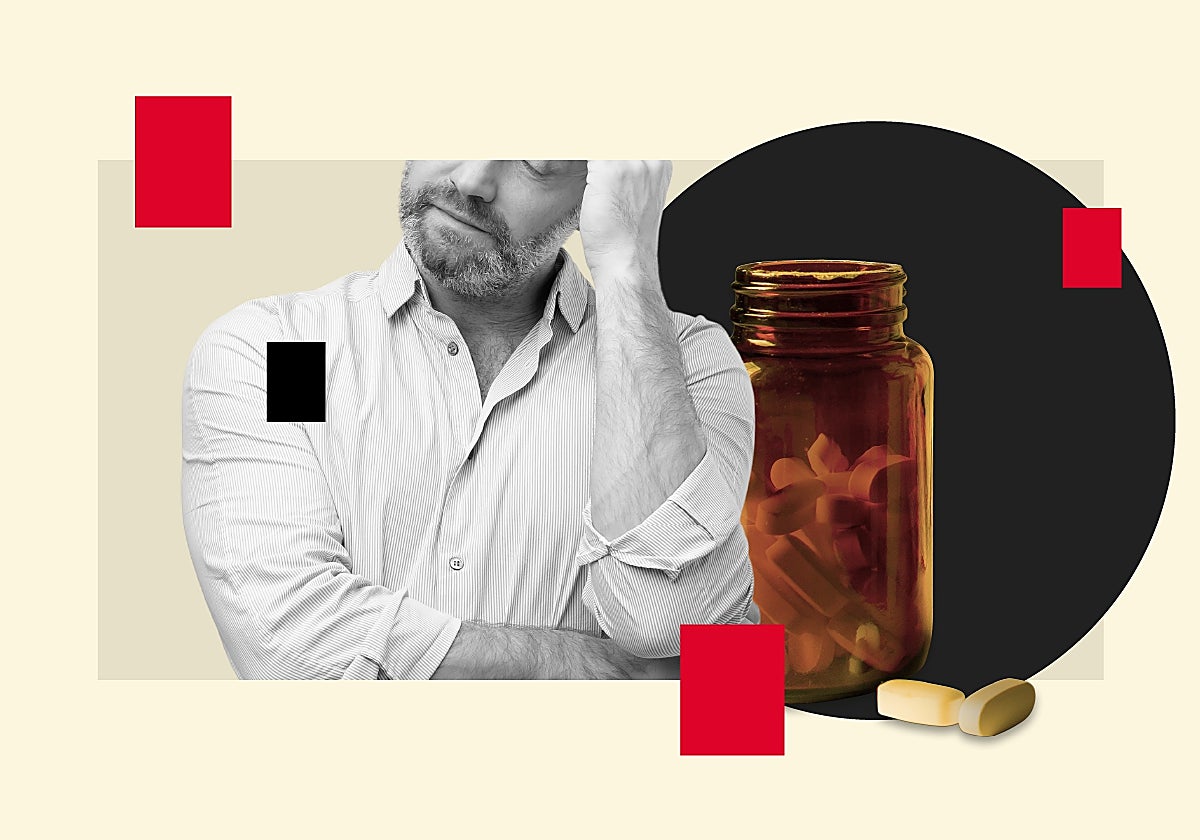

Around 100,000 people in Malaga province suffer from depressive disorders of varying severity, according to estimates by the Quirónsalud hospital. "Most guidelines estimate that ... depression affects around 5% of the population," Dr Jesús Herrera Imbroda says.
Other data clearly indicates that this condition has been, for years, one of the major public health problems. The dispensing of antidepressants in Malaga's pharmacies rose by 6.7% between September 2025 and the same month in 2026, compared with the same period the previous year (2024-25), when it had already risen by 5.8%.
Depressive disorders range from the mildest to the most severe. Other estimates suggest that almost 30% of cases go undiagnosed. Various estimates put the prevalence of depression at between 5-9% of the population, which would equate to between 90,000 and 161,000 people in Malaga province.
Alberto Barrionuevo from the association of pharmacists points out that depression "reached its peak during the Covid-19 pandemic, but it hasn't really started to decline yet". He says that patients often do not take antidepressants correctly: treatment must continue for months, depending on the severity and progress of the condition, and should never stop abruptly or without medical supervision.
Related story

The law requires that the public health service respond to mental health requests within 60 days of a patient being referred by their GP. Healthcare workers are calling for more staff in these units, as demand is constantly increasing. Psychological sources other than those already cited estimate that one in 12 people has a depression diagnosis.
Of the nearly 100,000 people, 60% may be taking antidepressants, according to Dr Herrera's estimates. "It is a disorder that can cause persistent sadness, emotional emptiness, irritability, loss of interest or pleasure, lack of energy, changes in sleep and appetite, difficulty concentrating, feelings of guilt or worthlessness and thoughts of death. It is not simply sadness," psychologist and president of the El Teléfono de la Esperanza helpline Juan Sánchez says.
Causes
The cause? "A complex interplay of biological, psychological and social factors. It's not just a serotonin imbalance," Sánchez says. Sadness is an emotion, while major depression is a disorder that can be severe and debilitating. Dysthymia is "a persistent and prolonged depressive state".
Dr Herrera describes it as "a mood disorder" that "goes far beyond simply feeling sad". "People lose interest and the ability to enjoy things. They have less energy and experience problems with sleep, appetite, concentration and so on. For us to talk about a depressive episode, these symptoms must persist for most of the day for at least two weeks," he says.
Sadness is usually temporary. The line between sadness and depression appears when "it starts to interfere with our lives and we stop doing the things we used to do".
What's more, a person can be depressed and still function normally. "There are people who appear to be keeping up with their work, their relationships and their responsibilities, but they do so at the cost of great effort and inner suffering," Herrera says.
Sánchez explains that depression is not always recognisable from the outside. "A person may go to work every day, look after their children, meet up with friends and even crack jokes, while internally experiencing a profound loss of energy, pleasure or hope." Appearing normal is part of the struggle.
The good news is that depression can be treated, Sánchez says. Among other approaches, he highlights CBT (cognitive-behavioural therapy), interpersonal psychotherapy and certain problem-solving interventions. He advocates a personalised approach to treatment.
Dr Herrera says that in cases of mild depression, psychotherapy can be just as effective as, or even more effective than, medication. "When it is moderate or severe, we have to start introducing medication," he adds. There is another approach: neuromodulation, that is, brain stimulation to improve the circuits involved in this condition.
If left untreated, "depression may subside, but it can also drag on, become recurrent and progressively undermine different areas of life". The person becomes increasingly isolated, leading to family, social and work-related problems and even suicidal ideation.
That said, not everyone with depression has suicidal thoughts. In fact, it often co-occurs with other disorders. "This is known as comorbidity: it frequently co-exists with anxiety, addictions, personality disorders, eating disorders or physical illnesses such as chronic pain or cancer," Sánchez says.
Improvement
"Most people can improve significantly or make a full recovery with the right treatment," Herrera says. It is important to remember, however, that, "in at least half of people, another episode may occur over time".
Depression is more common in women than in men. Mood disorders (depression and bipolar disorder combined) have a prevalence of 2.2% among men in Malaga, compared with 5% among women, according to the Andalusian regional government's population-based health database.
At El Teléfono de la Esperanza, "there is a significantly greater demand for emotional support than before the pandemic". Sánchez says that "suffering manifests itself through anxiety, depression, loneliness, life crises, suicide, self-harm, eating disorders and addictions". Now, many young people are seeking help via the organisation's digital channels.
![[]](http://static.vocstatic.com/voc26/latest/assets/images/favicon/surinenglish/apple-touch-icon-57x57.png)