
Mental health
Malaga rural areas record suicide rate five times higher than Costa del Sol
A study points to social isolation, difficulties in accessing mental health services and the stigma associated with seeking help as possible factors behind this disparity between interior and coastal areas
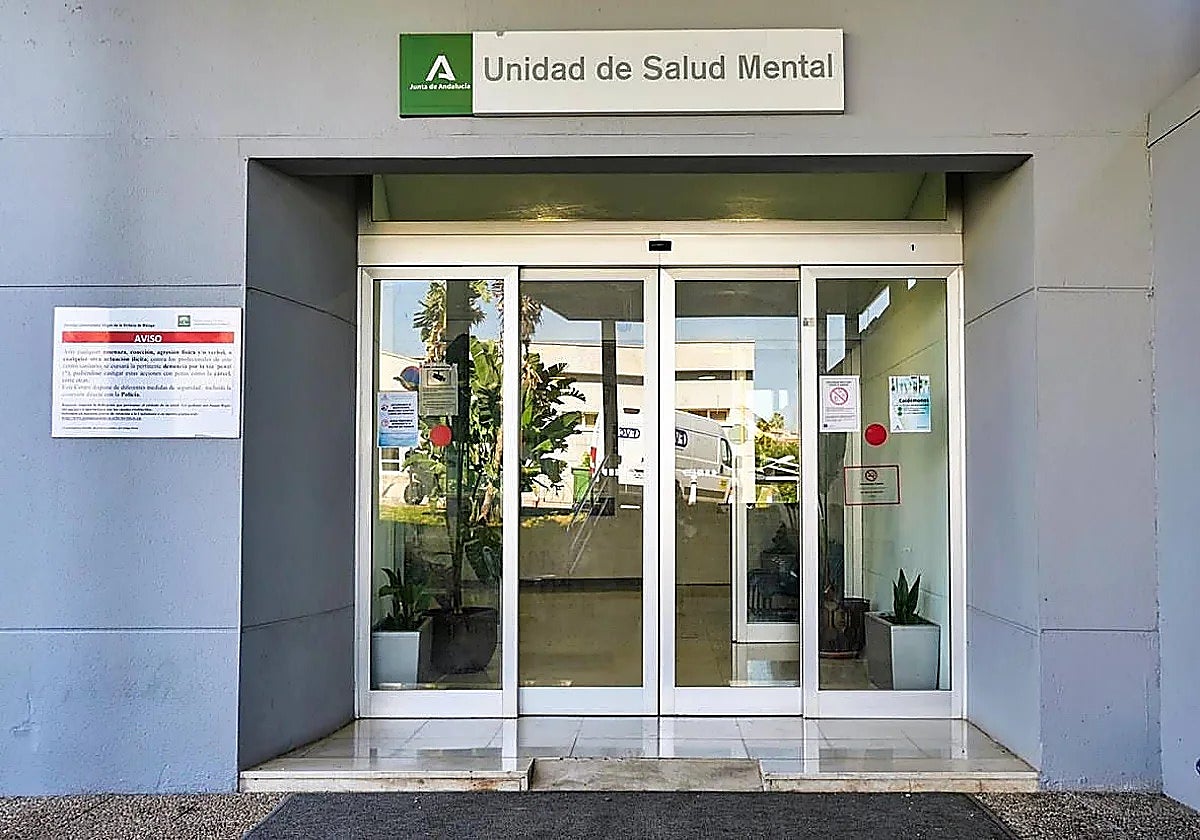

The suicide rate in rural areas of the province of Malaga is almost five times higher (4.7 times) than that of the Costa del ... Sol.
The average in municipalities in the interior is 53.79 cases per 100,000 inhabitants, compared with coastal towns, which have an average of 11.56 cases, according to the study 'Epidemiología del suicidio en la provincia de Málaga (2024): análisis retrospectivo con técnicas de machine learning'.
The study uses machine learning techniques to analyse the 197 suicides recorded in 2024.
Related story
-
Health
José Antonio Sau
Overall, 71.57% of the suicides recorded in Malaga province occurred on the Costa del Sol, compared with 28.43% in interior areas. However, this reflects the much larger population of the coastal area. When the researchers adjusted the figures for population size and calculated the rate per 100,000 inhabitants, the pattern was reversed, with suicide rates significantly higher in interior municipalities.
In some small municipalities, the rates are soaring: Jimera de Líbar has 251.26 cases per 100,000 inhabitants, Cútar 170.36 and Cañete la Real 126.02. A single suicide has a major impact in such small towns with few inhabitants.
The average profile is that of a man around the age of 55. In fact, 89.5% of the cases concern men. Hanging and cases without a suicide note are the most common.
The other three groups comprise young adults on the coast and suicide by jumps, and older adults on the coast, featuring a higher proportion of women and a greater variety of methods.
Researchers point to an interplay of multiple factors to explain the high rates in interior areas: greater difficulties in accessing specialist mental health services, social isolation, socio-economic factors and the stigma associated with seeking help.
In small municipalities with extremely high rates, they also cite the possible concentration of socio-economic risk, an ageing population and the selective migration of young people.
"Middle-aged adults in interior areas (...) suggest a pattern of rapidly intensifying suicidal behaviour that requires interventions to restrict access to means and strengthen early detection networks in rural contexts," the study states.
The researchers emphasise the urgency of "developing and adapting multi-level prevention strategies that take into account specific local realities and the unique characteristics of each geographical and social context".
The underlying structural factors must be addressed simultaneously: access to services, mental health policies, socio-economic determinants and region-specific cultural aspects such as norms surrounding masculinity, perceptions of stigma and traditional support networks.
The researchers draw particular attention to "implementing specific programmes that take into account the cultural and psychological barriers" that prevent men from seeking help.
![[]](http://static.vocstatic.com/voc26/latest/assets/images/favicon/surinenglish/apple-touch-icon-57x57.png)