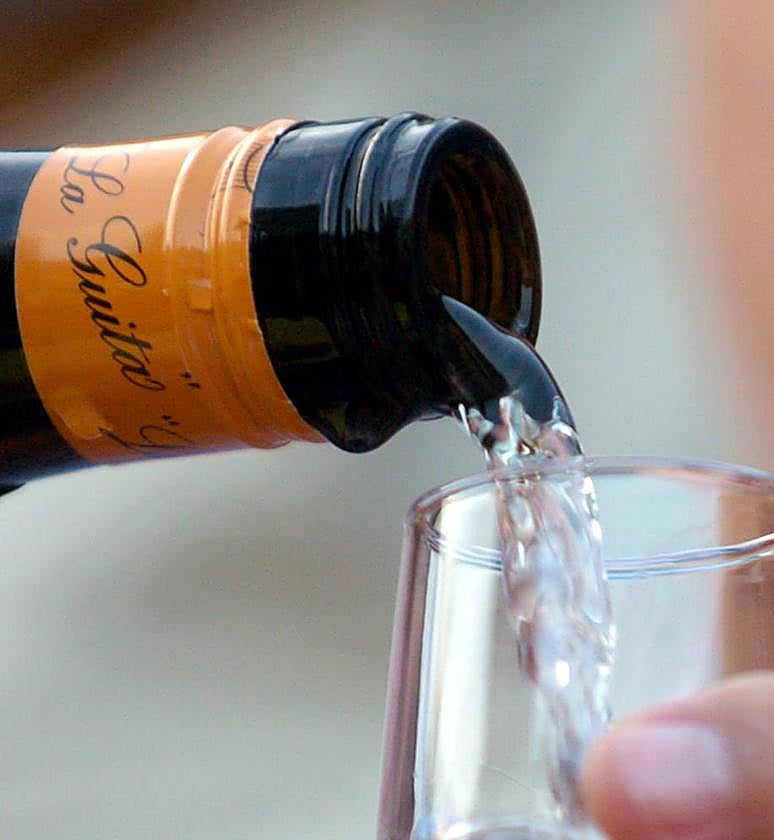
Sherry reborn
The reawakening commenced in the 2000s, when outside interests started to appreciate that sherry may have been written off too soon
Andrew J. Linn
Friday, 14 July 2023, 14:37
Although the sherry triangle, composing Jerez, Cadiz, and Sanlúcar de Barrameda, is one of the most historic wine regions in the world, economically it has ... had a mixed past. The great era of sherry consumption occupied most of the latter part of the last century, when the long-established houses such as Domecq, Gonzalez, Barbadillo, etc, crowned the trade, only to subsequently go downhill as tastes changed and sherry became unfashionable.
The reawakening commenced in the 2000s, when outside interests started to appreciate that sherry may have been written off too soon. In the boom years a bottle of fino sherry cost less than a bottle of cheap Rioja - in many cases still does - although the investment in vineyards and stock is far greater. Sherry was sold at prices low enough to get northern European drinkers coming back for more - and quality suffered.
Eric Asimov, renowned wine critic of The New York Times, has had his eyes opened to sherry's potential during a recent visit to the new-generation sherry bodegas. No mention of the traditional titles, only of the young winemakers committed to reviving this centuries-old wine region.
Their names are unfamiliar: Compañía de Vinos del Atlántico; Willy Pérez; Ramiro Ibáñez (Cota 45); Manuel Antonio de la Riva; Alejandro Machado, David Léclapart, Raúl Moreno; Alejandro Narváez and Rocío Áspera (Bodegas Forlong); and Rafael Rodríguez. As with all Spanish wine regions, the rules were set in stone by the controlling bodies decades ago and had to be turned on their heads by these radical newcomers. Watch out for them in years to come.
¿Tienes una suscripción? Inicia sesión