
Health
West Nile virus in Andalucía: three new cases bring total number of infected people to 29
All Andalusian cases this year are in the province of Seville
Europa Press
Andalucía has raised the number of human cases of the West Nile virus recorded so far in 2026 to 29. The regional ministry of ... health reported three new positive cases on Tuesday, all of them in the province of Seville.
The new cases are in Seville city, La Puebla del Río and Los Palacios y Villafranca.
Of the 29 cases confirmed to date, 20 patients have presented mild symptoms and nine have developed a neuroinvasive form of the disease. One of the 29 people has died and one has fully recovered. The other 27 are currently showing a favourable clinical course.
All cases detected in Andalucía so far this year are in Seville. Villamanrique de la Condesa remains the municipality with the highest number of confirmed cases, with six, followed by La Puebla del Río, with five, Coria del Río and Dos Hermanas, with four cases each, and Palomares del Río, with three.
In addition, there are two cases in Aznalcázar and another two in Seville city, while Almensilla, Bollullos de la Mitación and Los Palacios y Villafranca have one case each.
The regional government has also reported that 358 patients have undergone lab tests and 110 patients with viral meningitis have undergone screening for arboviral infections. As part of the screening of blood donors, 3,039 tests were carried out between 1 June and 9 August.
20 municipalities on alert
There are currently 20 municipalities in Andalucía on alert. The latest update includes Los Palacios and Villafranca, while the alert that had been in place in Constantina has now been lifted.
The municipalities are: Salobreña in Granada; Lopera in Jaén; Fuengirola, Mijas (Las Lagunas district) and Malaga city (Campanillas district) in Malaga; and Almensilla, Aznalcázar, Benacazón, Bollullos de la Mitación, Castilblanco de los Arroyos, Coria del Río, Dos Hermanas, Gelves, La Puebla del Río, Los Palacios y Villafranca, Mairena del Aljarafe, Palomares del Río, San Juan de Aznalfarache, the city of Seville and Villamanrique de la Condesa in Seville.
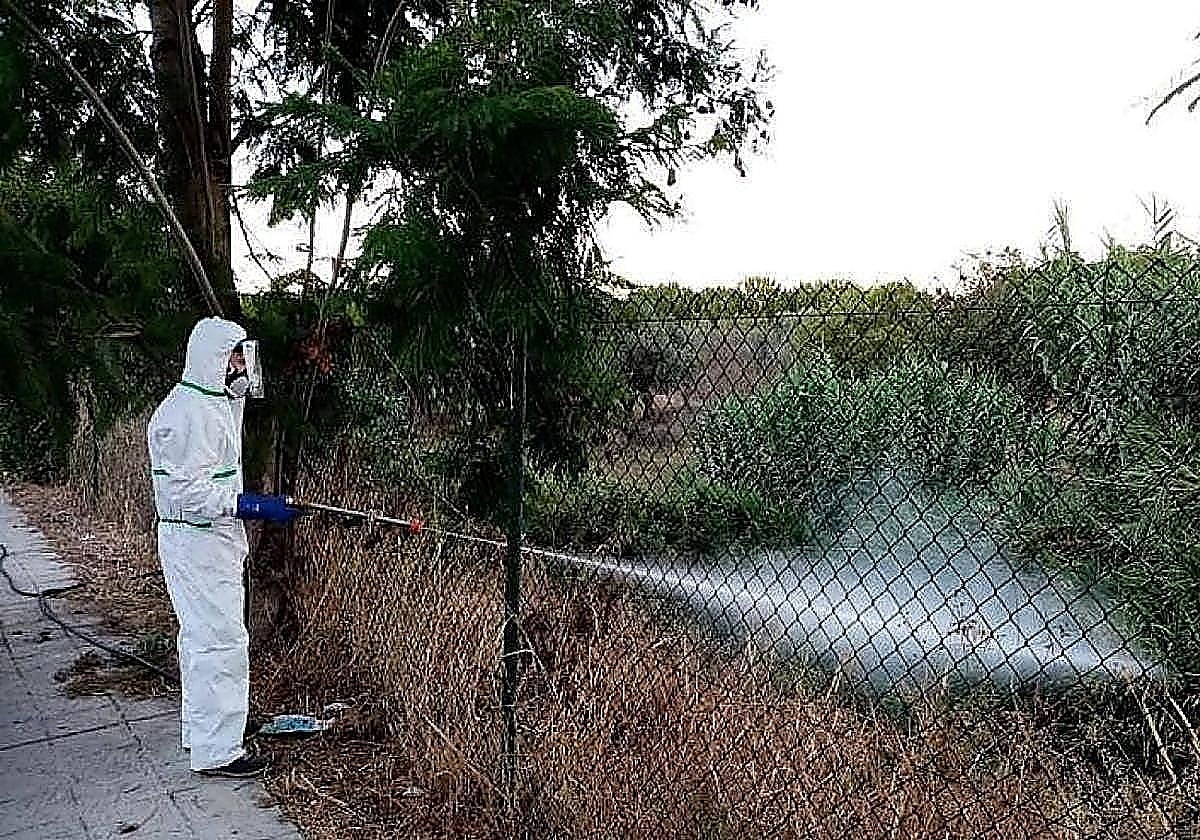
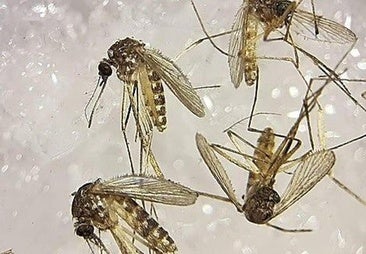
Declaring an alert area involves stepping up entomological, animal and human surveillance, as well as launching awareness campaigns and strengthening communication with the public to encourage protective measures. Local councils must also step up the control and treatment of mosquitoes that transmit the virus.
Avoiding insect bites
The regional ministry highlights the need to adopt protective and preventative measures, particularly among vulnerable people and in those municipalities where a high presence of the mosquito vector has been detected in recent weeks.
The recommendations include using approved insect repellents, covering as much of the body as possible with light-coloured clothing and avoiding perfumes and other strong scents that may attract mosquitoes. It also advises installing mosquito nets, using household insecticides or room sprays and switching off lights when they are not needed.
Also important is to prevent the build-up of stagnant water in swimming pools, paddling pools, washing-up areas, gardens, plant pots, toys or buckets, as these areas can become breeding grounds for mosquito larvae.
![[]](http://static.vocstatic.com/voc26/latest/assets/images/favicon/surinenglish/apple-touch-icon-57x57.png)