
Culture
Workers, gymnasts and Cuba: Valery Katsuba’s ‘human architecture’ returns to the Russian Museum
The Belarusian photographer is opening the second part of his exhibition, Realismo Romántico, the main attraction at the somewhat lacklustre Tabacalera exhibition centre

Malaga
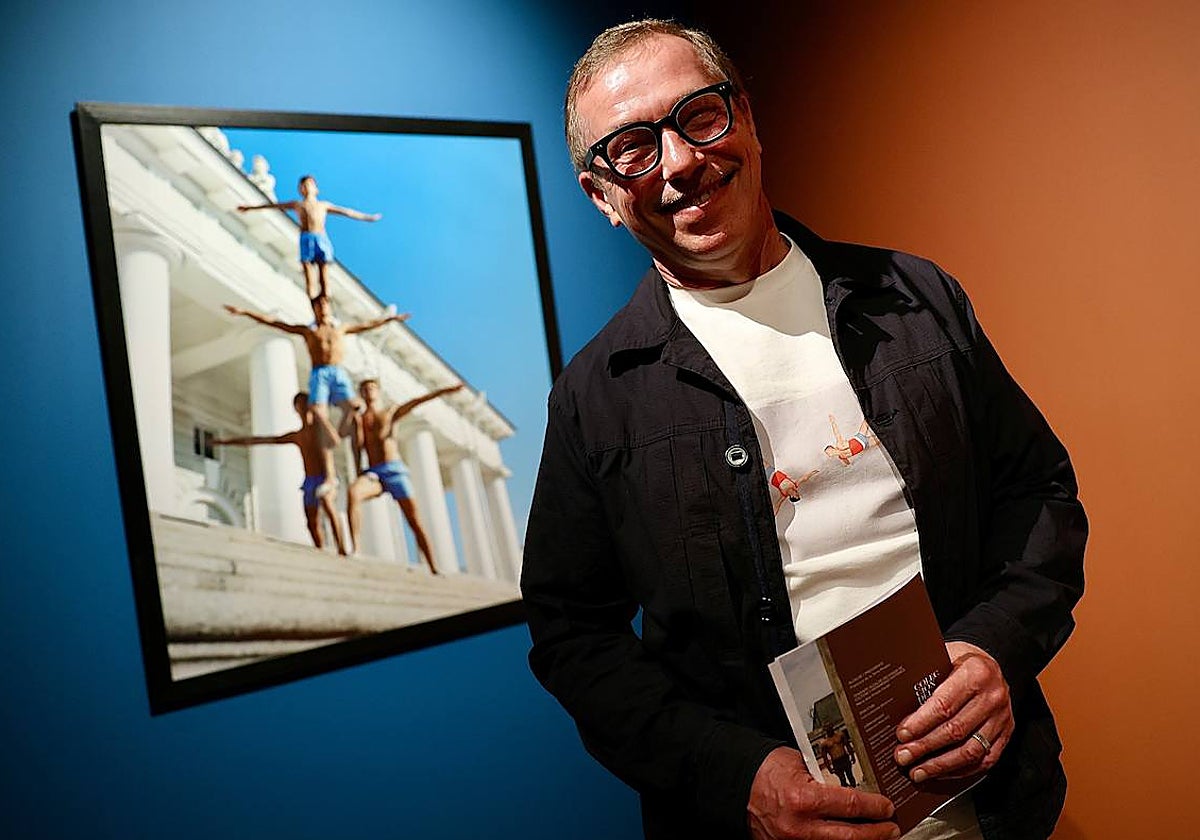
A group of Russian circus trapeze artists in blue leotards, about to jump, alongside a construction worker hanging from a bridge in London, captured in ... black and white.
At first glance, acrobats and gymnasts have little in common with manual labourers, but the Belarusian photographer Valery Katsuba has instinctively found the connection in Realismo Romántico II; this second instalment also adds a Greek perspective on the decadent island of Cuba.
The exhibition also serves to uphold the original spirit of the Russian Museum, which has already been diluted by sharing its space with Málaga Espacio Expositivo Tabacalera (MEET) and by lacking a permanent collection since the outbreak of the 2022 war in Ukraine and the return of its treasures to the St Petersburg Museum. This temporary exhibition has no closing date.
“I’m launching this project in Malaga, which brings together labourers and gymnasts – photographs I’d been taking in parallel for years, with no connection between them,” said the artist Valery Katsuba himself, who admitted that it was the curator Sebastián Mascaró who discovered this link, one that is highly visual in the aerial photographs linking trapezes with scaffolding, but which also finds its balance in “that body under strain and the dedication to daily work”.
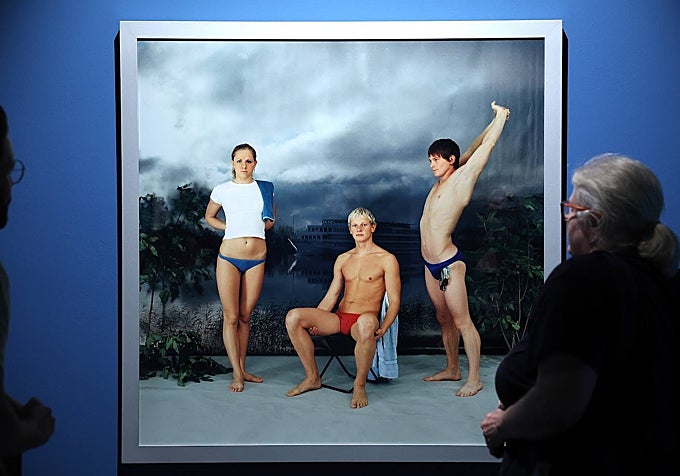
The exhibition, which features a total of 38 works in which realistic photography blends with performance art, expands on this theme of labour by showcasing works that link sport and the working world, such as the portrait of Los Nadadores (The Swimmers) alongside the three sisters in their blue overalls in a traditional hardware shop in Madrid, or the fishermen basking in the sun in Santa Pola.
Tattooed Atlases and modern Venuses reinterpret Greek classicism in Valery Katsuba’s Cuban photographs
The curator has also highlighted the series of images from Cuba, which were presented on the island last year and are now being exhibited in Europe for the first time. “On his travels, Valery captures the emotional atmosphere, soaks up the light and captures the essence of the people he portrays,” said Mascaró of this original collection, which features iconic locations across the country, such as the Gran Teatro de La Habana and the iconic Malecón, transforming them into classical settings populated by Venuses, athletes and mythological figures that offer a new, hybrid take on the academic tradition.
A play on ‘human architectures’ that also serves as the exhibition’s poster, featuring the figures of two tattooed Atlanteans in a garden who welcome visitors at the entrance to the exhibition.
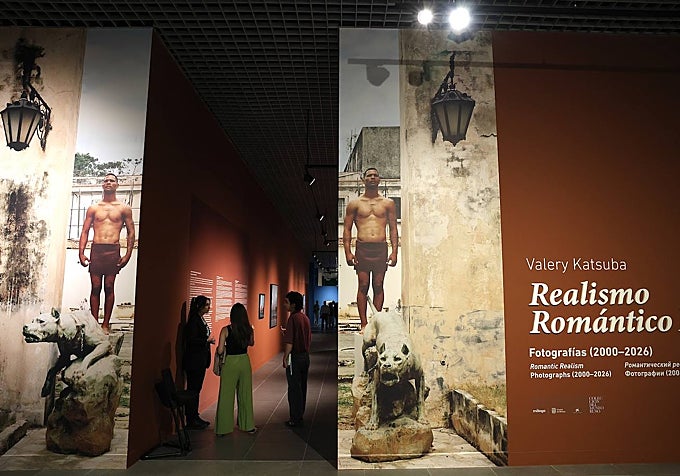
Realismo RománticoII will not have a catalogue – or rather, it will have a very special one. As explained by Luis Lafuente, director of the Agencia Pública para la Gestión de la Casa Natal de Pablo Picasso y Otros Equipamientos Museísticos y Culturales, the multidisciplinary artist Valery Katsuba has also written around twenty short stories inspired by his own photographs, travels and experiences; consequently, this publication – in which each story will be accompanied by an image by the Belarusian artist – will be launched at the Museo Ruso after the summer.
For her part, the Councillor for Culture, Mariana Pineda, pointed out that the photographer’s previous exhibition, Realismo Romántico I, which was exhibited from November 2025 until May this year, was visited by 25,000 people and that this second instalment “renews our commitment to maintaining the potential of this arts centre by seeking out collections of Russian art in the West to ensure the continued viability of this space”. At present, Katsuba’s exhibition is the main attraction at the Russian Museum, which also houses a small selection of the Castañé collection, on display since 2023.
Pineda concluded by inviting the Madrid-based photographer to expand his collections with images of Malaga. “I’d encourage you to wander around our city to see what it conveys to you and inspires you,” he urged the artist, who may well already be thinking about a third instalment of his ‘emotional cartography’.
![[]](http://static.vocstatic.com/voc26/latest/assets/images/favicon/surinenglish/apple-touch-icon-57x57.png)