
Beaches
Ten beaches in Malaga where you can unwind in September
This month brings a return to tranquillity to some of the sandy beaches and coves along the Costa del Sol and the Axarquía, from secluded spots nestled between cliffs to beaches with dunes and very little development

Malaga
September doesn’t change the Malaga coastline, but it does make it more pleasant. On many beaches, the crowds of August have thinned out, allowing ... you to appreciate details that go almost unnoticed during the busiest weeks: a stretch without a promenade, dunes alongside the sand, a cove sheltered by rocks, or a watchtower overlooking the Mediterranean.
Between Nerja and Manilva there are also stretches of sandy beach that do not exactly fit the image most commonly associated with the Costa del Sol. Some are small and difficult to reach; others are situated next to protected areas or feature a less built-up stretch of coastline. September is a good time to discover them or return to them at a more leisurely pace. Here are some of the options along the Malaga coastline.
-
Nerja1
Cala de las Doncellas
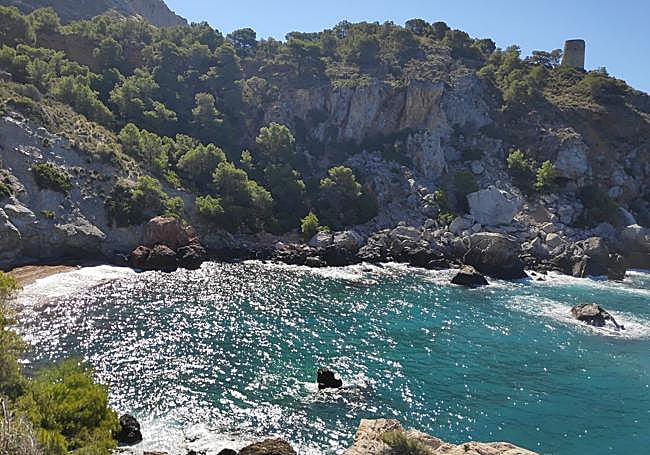
It is one of the smallest and most secluded beaches on the Malaga coastline. The Cala de las Doncellas, also traditionally known as Cala de la Vaca or Cala de los Genoveses, is barely fifty metres long and lies between the Peñón del Fraile and the Torre de la Caleta, within the Maro Cliffs. There’s a reason for its seclusion: reaching it on foot is tricky, and some sections are steep and dangerous. The best option is to reach it by kayak from nearby beaches such as El Cañuelo or Cantarriján.
-
Torrox2
Mazagarrobo
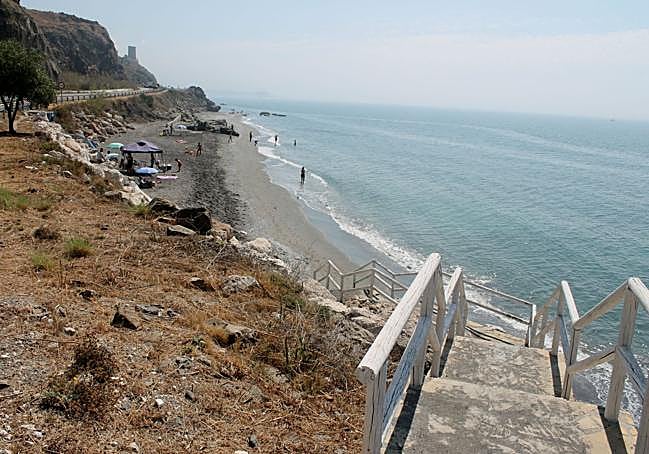
Situated between Torrox Costa and Nerja, Mazagarrobo offers practically the opposite of a large urban beach. There are no beach bars or extensive facilities, and space is limited, but in return it boasts small coves nestled amongst the rocks where the sense of seclusion can be quite pronounced. It can be reached from the old N-340, using the Calaceite housing estate and the Peñoncillo road as landmarks. A set of metal steps leads down to the sandy beach. Its crystal-clear waters and rocky seabed also make it an interesting spot for observing marine life.
-
El Morche3
Dunas de La Carraca
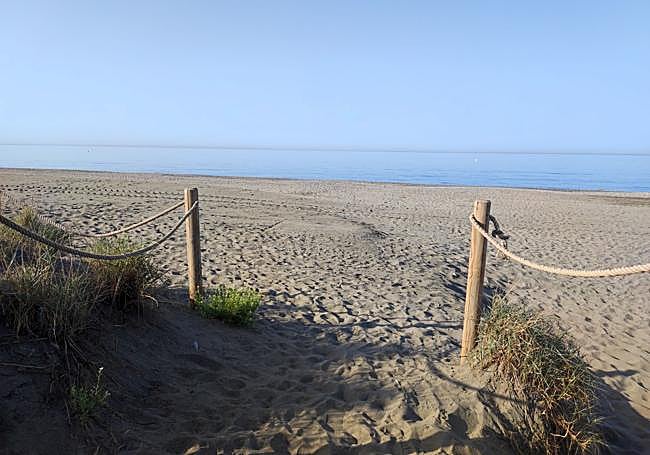
Between Torrox Costa and El Morche lies a rather unusual landscape on the eastern coast of Malaga. The La Carraca dunes are situated within Cenicero beach and form one of the few dune systems in the Axarquía. The absence of a conventional promenade along this stretch has, in fact, helped to preserve its natural appearance. The vegetation includes such characteristic species as the ‘sand couch grass’, a Mediterranean grass, and the striking coastal knapweed or sea marigold. It is a stretch of sand particularly well suited to walking and enjoying the sea without the usual urban surroundings.
-
Rincón de la Victoria4
Torre de Benagalbón and Los Rubios
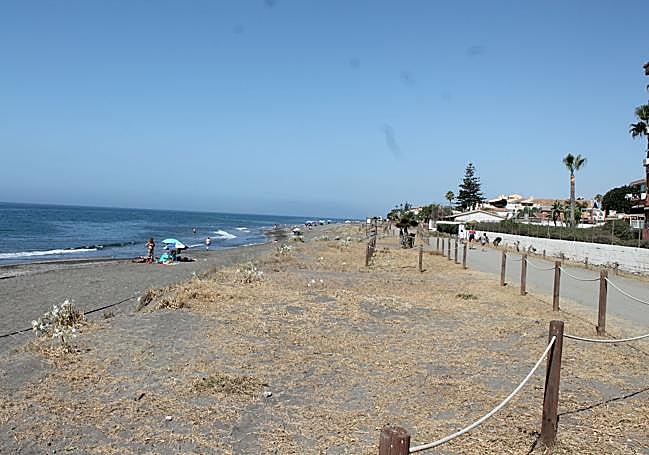
Here, you don’t need to seek out a tiny cove to find peace and quiet. Between Torre de Benagalbón and Los Rubios lies a long stretch of coastline that retains a very different character to that of other tourist resorts in Malaga. For much of the way, there is no conventional seafront promenade, but rather a more natural route running parallel to the sandy beach. There are more than three kilometres of beach between the Granadillas and Santillán streams, with residential areas set back from the shore and several access points from the old N-340 road. In September, it’s particularly pleasant to walk along the seashore.
-
Malaga5
Peñón del Cuervo
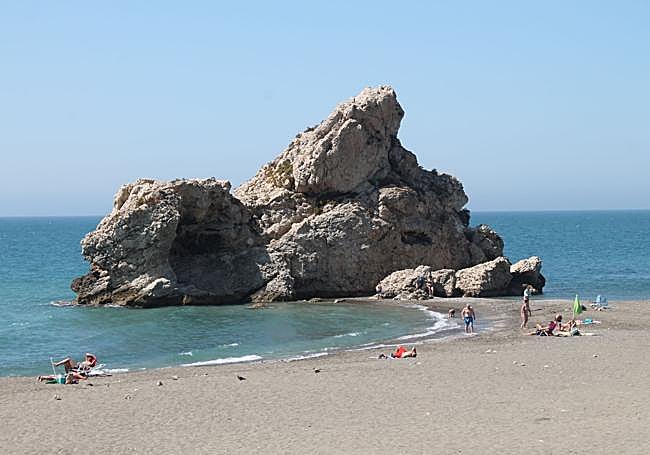
It isn’t a secret beach, but away from the busiest weekends it takes on a rather different character. El Peñón del Cuervo lies between El Palo and La Araña and forms a small bay dominated by the enormous limestone formation from which it takes its name. You can reach it by car via the old N-340, although the route isn’t particularly straightforward, or via the Senda Litoral coastal path from El Palo and La Cala del Moral. As well as sand and swimming, it offers viewing points, green spaces and a setting with a surprising wealth of marine biodiversity and botanical species such as the sea lavender endemic to Malaga.
-
6
Playa del Cable and the dunes of Marbella
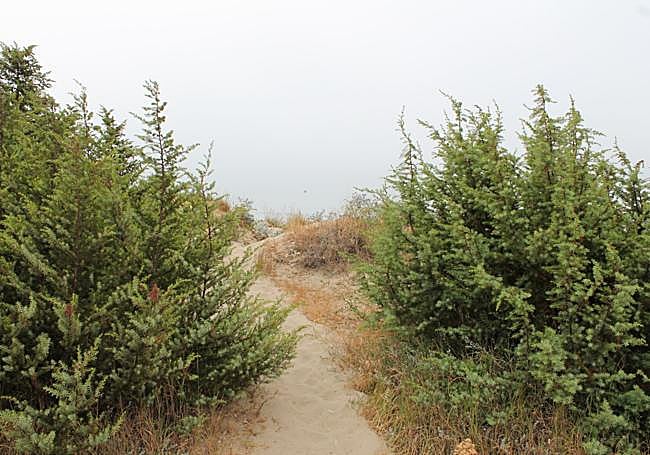
From Playa del Cable, you can explore one of those stretches of Marbella that defy its more urban image. Heading east, the Senda Litoral coastal path winds its way along footbridges beside El Pinillo and Río Real until it approaches Los Monteros, gradually passing through a less built-up area. This section is home to some of the best-preserved dunes on the Marbella coast, protected as a nature reserve due to their geological and biological significance. It is a particularly recommended outing for September, as it allows you to combine a day at the beach with an easy stroll along the Mediterranean coast.
-
Marbella7
Cabopino and the Artola dunes
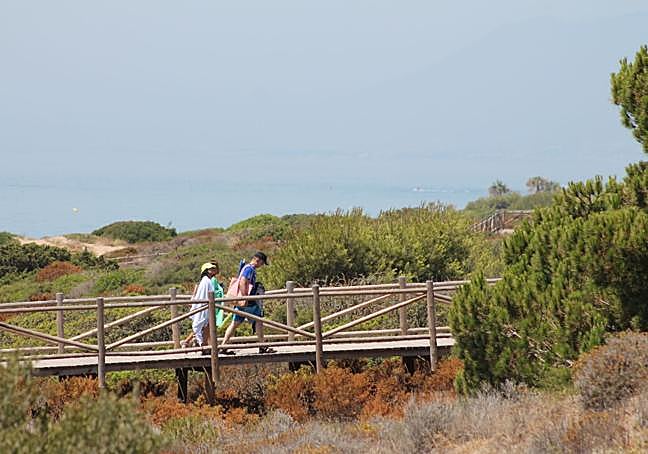
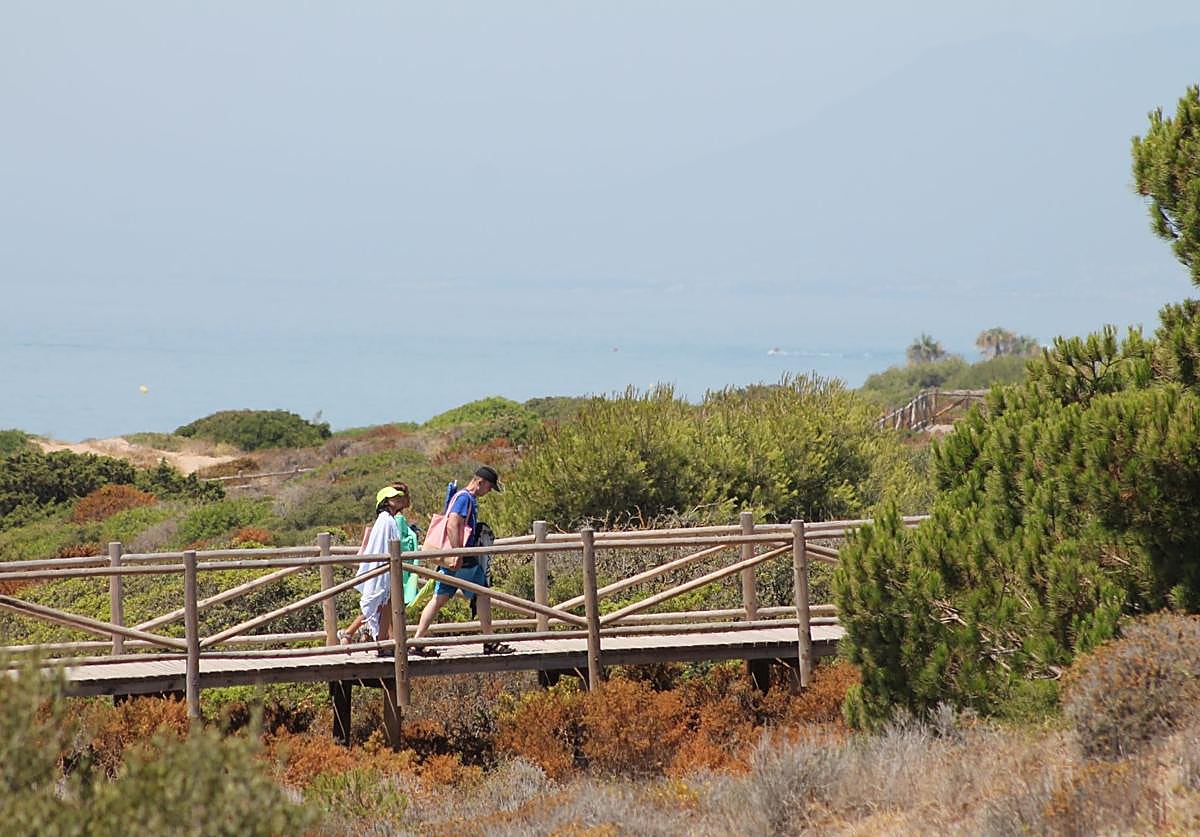
Cabopino is far better known, although September offers a different way to enjoy it compared to July and August. Its main attraction lies right next to the beach: the Artola dunes form one of the most significant dune systems in the province and can be explored via wooden walkways without damaging this fragile ecosystem. The beach also has a naturist section and is situated next to Cabopino marina. Here, the tranquillity does not stem from complete isolation, but from being able to step a few metres away from the more urbanised surroundings and stroll amongst the dunes, coastal vegetation and the Mediterranean.
-
Estepona8
Bahía Dorada
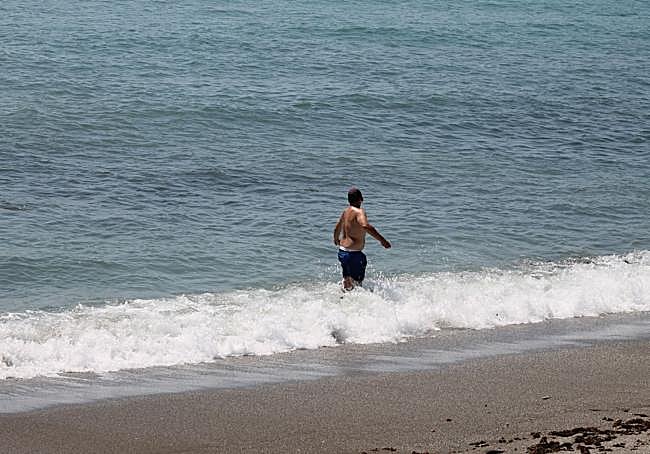
Even along a coastline as extensive and urbanised as Estepona’s, there are still small stretches where you can get away from the hustle and bustle of its busiest beaches. One of these is Bahía Dorada, situated in the western part of the municipality, near La Galera and about eight kilometres from the town centre. It is a secluded beach, with rocky areas and particularly clear waters, ideal for wearing diving goggles and exploring the seabed. In September, it becomes an even more attractive option for those who prefer a peaceful swim and a less urban setting.
-
Casares9
Playa de la Sal and Playa Chica
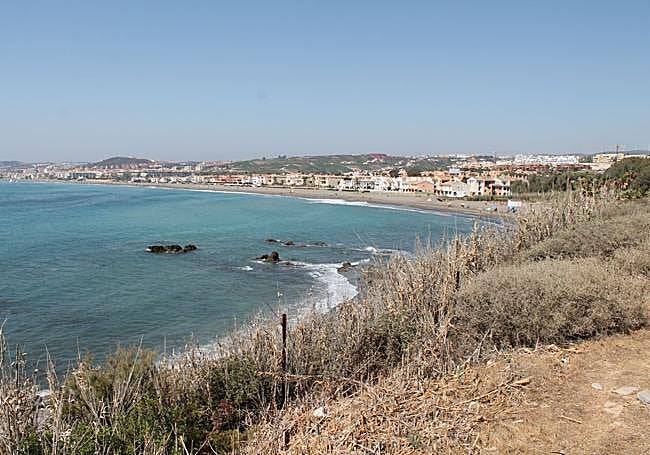
Casares has a coastline of barely two kilometres, but within that stretch it boasts a number of very distinct landscapes. Between Playa Ancha and the eastern end lie Playa Chica and, above all, Playa de la Sal, where the coastline becomes more rugged and the rocks take centre stage. Standing on a promontory is the Torre de la Sal, a structure of Nasrid origin which was later referred to as a castle. It is one of those places where you can enjoy a swim, a stroll and a bit of history all within just a few hundred metres.
-
10
Punta Chullera and the ecological coastline of Manilva
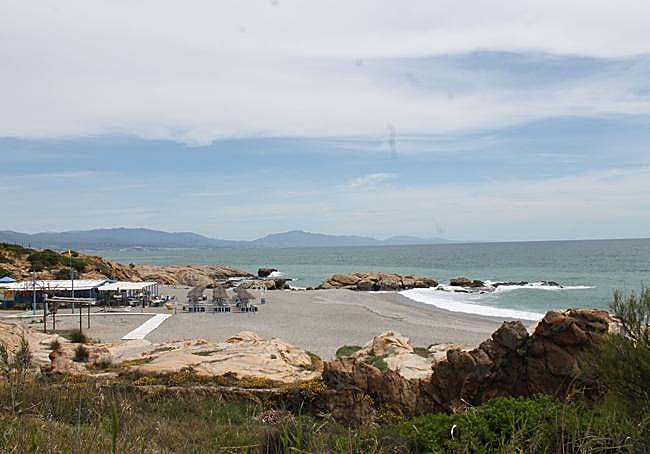
The route ends practically where the province does. Punta Chullera, also known as Punta Cala Sardina, is the westernmost beach in Malaga (alongside Los Toros) and offers a perfect view of the Rock of Gibraltar. Its crystal-clear waters, the rock formations shaped by erosion and its sandy beach combine to create one of Manilva’s most distinctive coastal landscapes. Furthermore, this stretch of coastline forms part of an area of special environmental interest, where coastal plant species and various seabirds thrive. It is one of the relatively unspoilt stretches still preserved at the western end of the Costa del Sol.
*As well as those mentioned, there are other options, such as El Cañuelo and Carabeíllo Chico, in Nerja; Almayate and Benajarafe, in Vélez-Málaga; Guadalmar, in Malaga; La Butibamba, in Mijas; Realejo, in Marbella; and Arroyo Vaquero, in Estepona. To these can be added other less crowded stretches of the western coastline.
![[]](http://static.vocstatic.com/voc26/latest/assets/images/favicon/surinenglish/apple-touch-icon-57x57.png)