
Football
Spain, under the pressure of a new star
Only eight of the 22 world champions won their first match after lifting the trophy; La Roja will be wearing their second star for the first time against England at Wembley, where they have won just twice
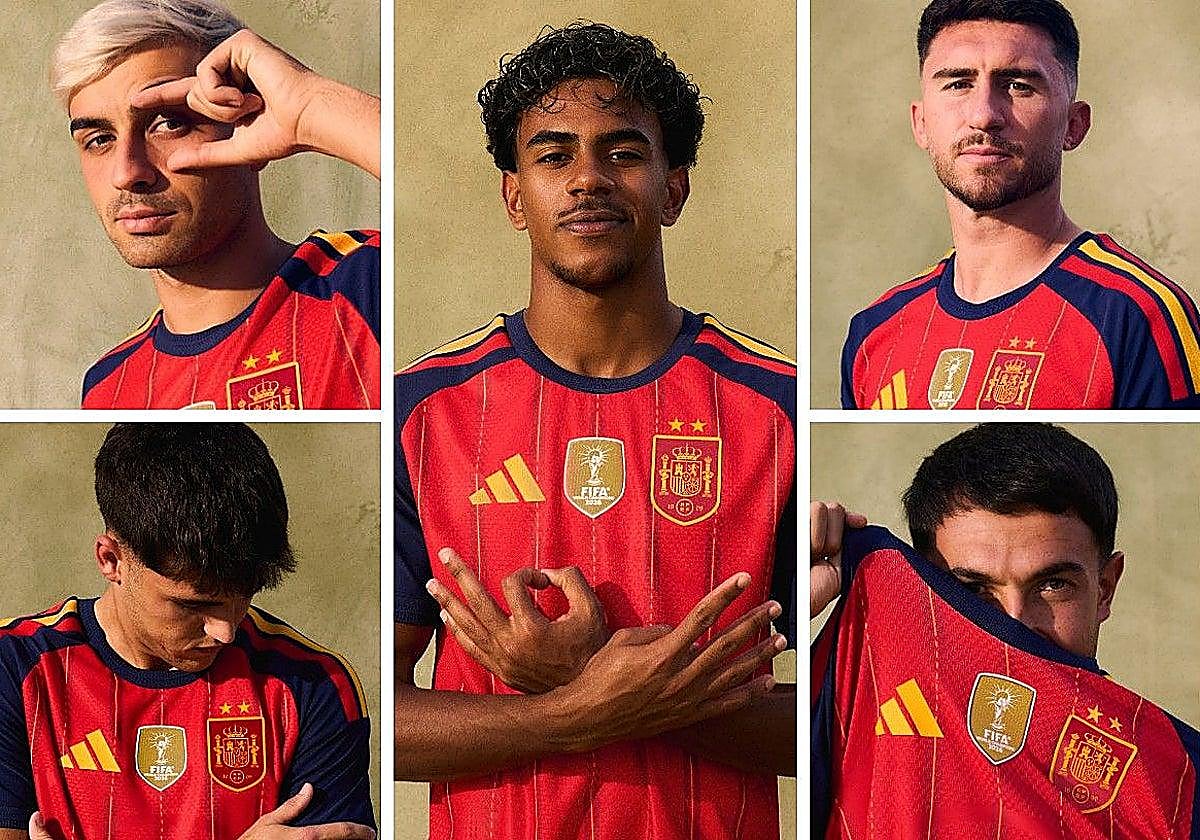

Spain are back in action after winning the World Cup. And their first game will be at Wembley, the temple of European football and a ... venue that doesn’t make things easy either: Spain have won just two of their nine matches played at the London stadium. The last time was Luis Enrique’s debut as manager.
Now, the champions face a double test this Saturday in the Nations League (8.45pm): to see how they respond after winning the title and to do so at one of the stadiums that has proved most difficult for them.
Past experience suggests we should watch that first match - with La Roja sporting two stars on their shirts - very closely. Football has a curious way of welcoming its champions: after lifting the World Cup, the epic nature of the final fades away and a new competition begins, in a different context and, often, with a less impressive result. The statistics for the 22 previous World Cup winners paint a balanced picture: only eight won their first match after lifting the trophy, six drew and eight lost.
In 2010, after winning their first ever World Cup in South Africa, Spain drew 1–1 with Mexico at the Estadio Azteca
The trend is even more striking when narrowed down to the last seven champions. From France in 1998 to Argentina in 2022, only the latter managed to win their first match following the World Cup. It was in March 2023, when they beat Panama 2-0 at the Monumental, on a night that turned into a celebration of their third star. The other six champions between them chalked up three draws and three defeats.
Spain is already familiar with that feeling. In 2010, after winning their first ever World Cup in South Africa, they drew 1-1 with Mexico at the Estadio Azteca, thanks to a goal in stoppage time from David Silva.
Germany lost to Argentina following the 2014 World Cup in Brazil - in a repeat of the final; Italy lost to Croatia following the 2006 World Cup in Germany; Brazil lost to Paraguay following the 2002 World Cup in Korea and Japan; and France drew with Austria following their 1998 title win.
A historical perspective broadens the picture even further. Brazil won their first match following their 1970 and 1994 titles, but drew after their 1958 and 1962 titles and lost after 2002. Germany won after 1974, drew after 1990 and lost after 1954 and 2014. Italy won after 1938, but lost after 1982 and 2006. Argentina won after 1978 and 2022, but lost after 1986. The star, therefore, does not always weigh the same. Sometimes it weighs on the legs; at other times, on expectations.
“Winning our second star at Wembley is perfect - we’re going to defend it well, aren’t we?” said Rodrigo recently. Luis de la Fuente also wanted to focus on what lies ahead: “It’s a new story and a new film: we want to be the stars of this new film.”
Wembley, the perfect setting
Now Spain are making their debut with two stars at a legendary stadium where they have won only twice in the nine times they have played there.
The first victory came in 1981, at the old stadium, and the second in 2018, when Luis Enrique made his debut as manager with a 1–2 win over England. That victory also held symbolic significance: the manager began his tenure at the helm of the national team at one of the most challenging venues in European football and against one of its historic rivals.
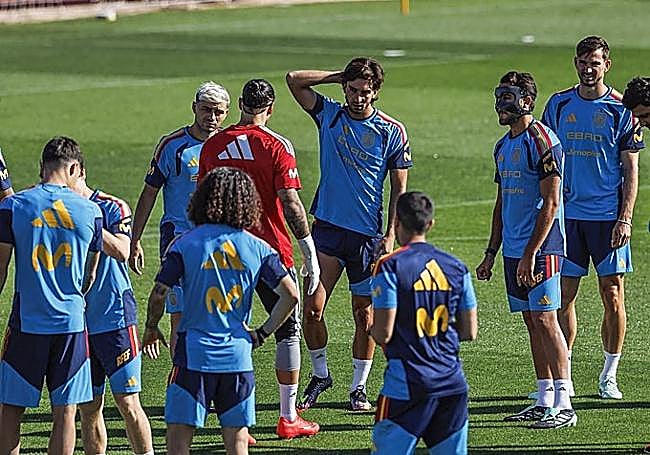
Wembley, however, has not been particularly kind to Spain. In the team’s previous visits prior to that 2018 victory, there were four defeats, one draw and the 1981 win. England’s national stadium thus presents another challenge for a team facing its first match since lifting the trophy and keen to maintain its 28-match unbeaten run.
De la Fuente himself sees this challenge precisely as a spur for the champions: “That’s the best team talk a footballer could ask for: playing against England at Wembley. You don’t need any more motivation than that. They’re the perfect opponents to help us get back into our stride straight away.”
This is where the two narratives surrounding Spain’s Nations League debut converge. On the one hand, tradition suggests that champions do not usually begin their new campaign with a win. On the other, Wembley has seen the Spanish national team win just twice in nine visits.
The star may be new, but the setting will be familiar. And, as De la Fuente points out, what is beginning now is "a new story". Wembley will be the first chapter.
![[]](http://static.vocstatic.com/voc26/latest/assets/images/favicon/surinenglish/apple-touch-icon-57x57.png)