
Weather
UN warns of extreme weather events this summer as El Niño returns
The World Meteorological Organisation urges global leaders to prepare for severe heatwaves, droughts, and flooding as ocean temperatures surge
SUR
The World Meteorological Organisation (WMO) has issued a stark warning, revealing there is an 80 per cent probability of a new El Niño event developing between June and August 2026.
The rapid onset of this global climate phenomenon significantly elevates the risk of extreme weather events across the globe over the coming months.
In its latest climate update, the WMO forecasts that the impending episode will be "at least moderate and possibly strong". Furthermore, experts estimate that the likelihood of these conditions persisting until at least November 2026 stands at "around or above 90 per cent".
Related story

El Niño is a naturally occurring climate pattern characterized by the pronounced warming of surface waters in the central and eastern equatorial Pacific Ocean. This shift disrupts global atmospheric circulation, frequently triggering severe and unpredictable weather anomalies across different continents.
Data collected between late April and mid-May indicates that sea surface temperatures in the critical regions of the Pacific have already approached the official thresholds required to declare the phenomenon. This rapid warming is being driven by "exceptionally high" subsurface ocean temperatures, which have exceeded seasonal averages by more than 6°C.
"We must prepare for a potentially powerful El Niño event, which will worsen droughts and heavy rainfall and increase the risk of heatwaves in both land and ocean areas," warned WMO Secretary-General Celeste Saulo.
The cyclical phenomenon typically occurs every two to seven years and generally spans nine to 12 months. Global temperatures usually peak in the second year of the cycle; notably, the intense 2023–2024 El Niño event helped make those consecutive years the hottest ever recorded in human history.
A compounding climate emergency
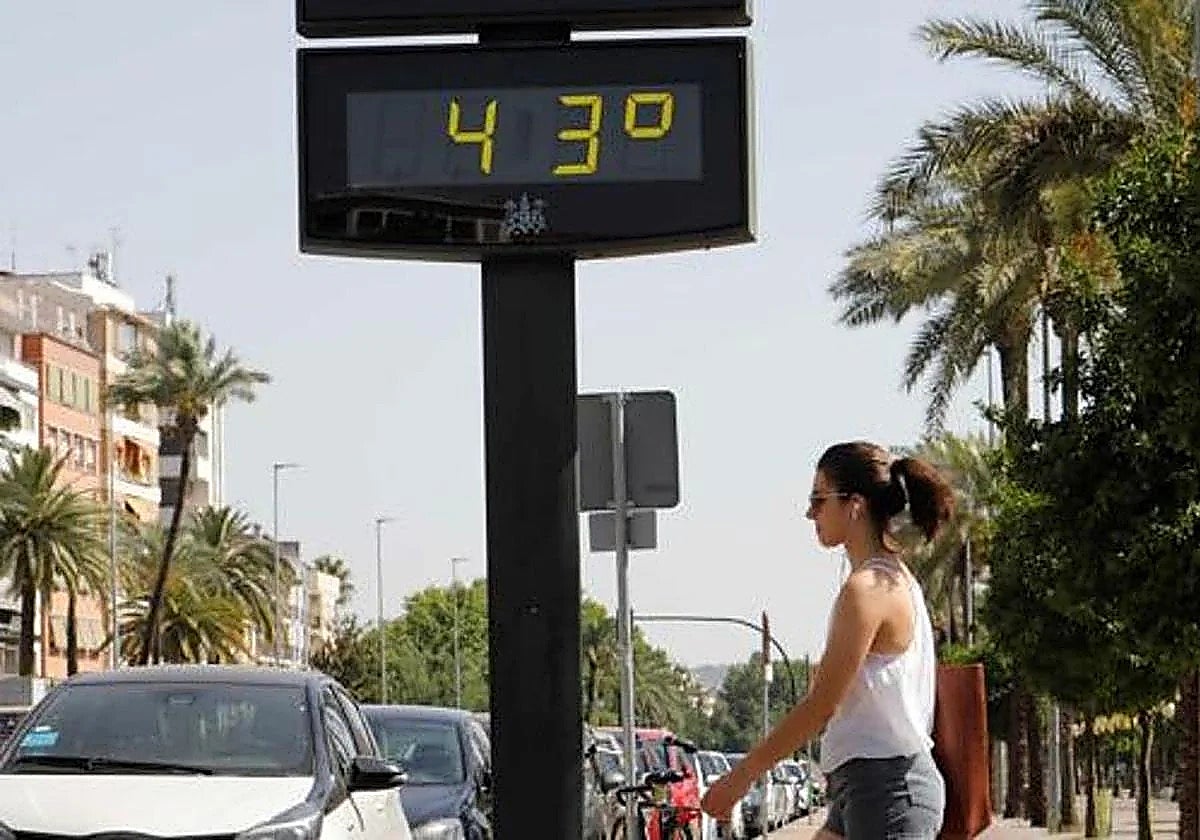
For the upcoming June-July-August period, the WMO predicts atmospheric conditions that will favour "predominantly above-normal temperatures in almost all regions of the planet". This introduces an acute risk of severe heat stress, prolonged agricultural droughts, and flash flooding.
Regional climate forecasting centres are already projecting distinct global impacts:
• The Horn of Africa: Below-normal rainfall is expected during the primary June-to-September rainy season, threatening further food insecurity.
• South Asia: Meteorological models point to a weaker-than-average summer monsoon, which could severely impact water supplies and farming.
• Central America: The region is bracing for hotter, significantly drier conditions.
Conversely, the shifting wind patterns during the Northern Hemisphere summer are expected to fuel hurricane formation in the central and eastern Pacific, whilst simultaneously suppressing storm development across the Atlantic basin.
UN Secretary-General António Guterres emphasised the gravity of the situation in a video statement: "Everyone must treat this situation with the urgency that the climate crisis demands."
"El Niño conditions will add fuel to the fire of a warming planet. The impacts will be even stronger and felt far beyond their origin. They will cross borders at devastating speed," Guterres added, calling for immediate, coordinated international climate action.
![[]](http://static.vocstatic.com/voc26/latest/assets/images/favicon/surinenglish/apple-touch-icon-57x57.png)