
Economy
Spain to reduce fuel and electricity taxes to alleviate Iran war impact
The Spanish cabinet is approving the first package of measures, among them a ban on cutting off supply to vulnerable households, on Friday

Madrid
The Spanish cabinet is approving the first package of measures to alleviate the impact of the Iran war on Friday, three week after the start of the armed conflict.
Spain's households have already started to suffer the consequences of the rise in fuel prices, which soared to over 110 dollars a barrel.
The measures on Friday include fuel, electricity and gas tax reductions. In addition, the government will guarantee the minimum supply of water and energy, placing a ban on cutting off supply to the most vulnerable households.
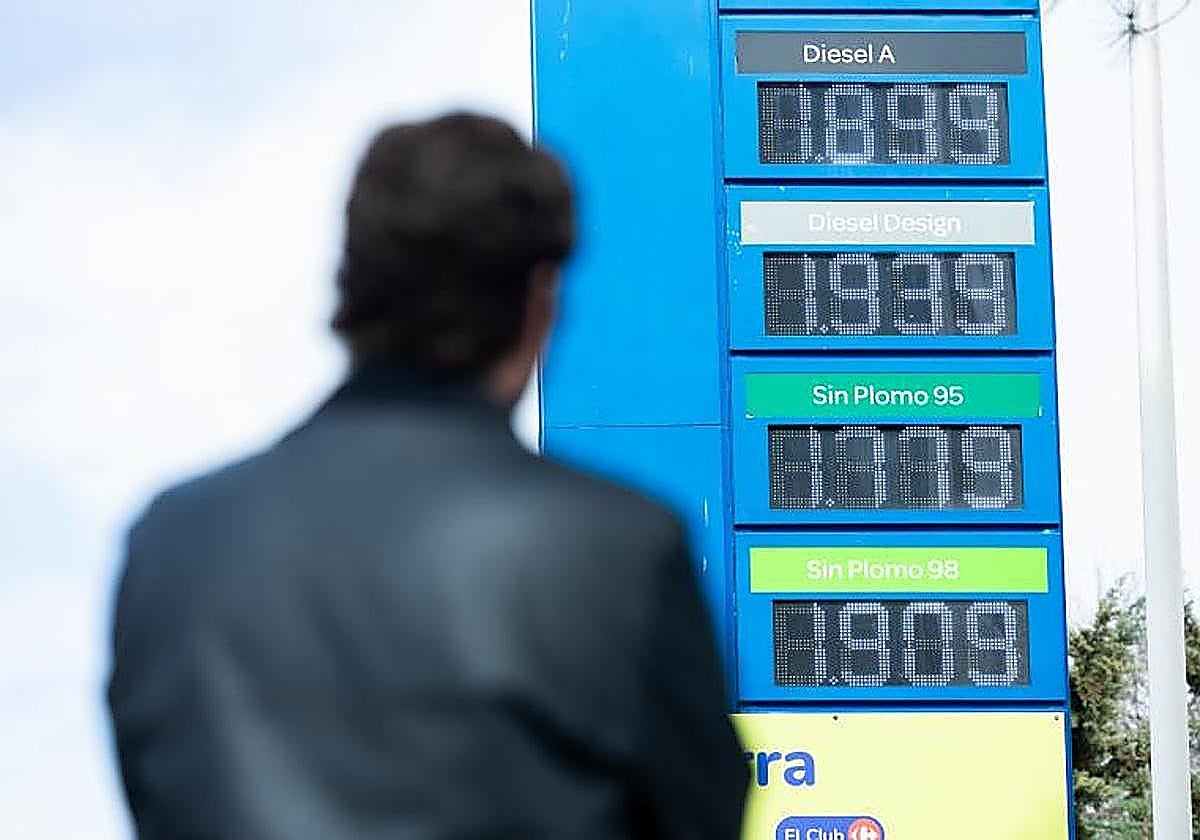
One of the most significant measures, which will have a direct impact on all drivers, will be the reduction of IVA tax on fuels, from 21 to ten per cent. The aim is to curb the sharp rise in fuel prices since 28 February, when Israel and the US began bombing Iran.
Related story

Since then, diesel has jumped by 31 per cent and petrol by 19 per cent, representing an increase of 44.8 cents and 28.2 cents per litre, respectively, according to data from the Spanish consumers' organisation. Furthermore, the price of diesel has overtaken petrol and now exceeds two euros at some major gas stations.
With this new increase, filling an average 55-litre tank of diesel costs 100.98 euros, some 21.18 euros more than a year ago. For petrol vehicles it costs 93.94 euros, some 10.5 euros more than a year ago.
The government will also suspend the tax on the value of electricity production in order to minimise system costs and lower the final bill for consumers, who will see the first increase next month.
Electricity prices have risen in March due to the increase in gas prices, although renewables are acting as a containment shield for prices in Spain. Thanks to this, the price of electricity in Spain is almost 50 per cent cheaper than in neighbouring countries.
After weeks of analysis and debates, the government has finally opted to take certain measures that impact all consumers across the board, with tax cuts to lower energy bills, in order to curb inflation, which is expected to rise to 3.5 per cent in March and to reach four per cent in April.
The first package of measures will also include specific aid for the most vulnerable sectors, such as transport, agriculture, fisheries and energy-intensive industry.
![[]](http://static.vocstatic.com/voc26/latest/assets/images/favicon/surinenglish/apple-touch-icon-57x57.png)