
Economy
Spanish inflation moderates to 3.2 per cent in April thanks to lower electricity bills
Core inflation, which excludes food and energy prices, also fell to 2.8 per cent, according to preliminary data
Ana Cantero
The impact of the war in the Middle East on household finances has begun to ease. Inflation in Spain stood at 3.2 per cent in April, up two tenths on the previous month in annual terms, according to preliminary CPI data the Ine (national institute of statistics) released on Wednesday. Core inflation, which excludes food and energy products, fell one tenth to 2.8 per cent.
Behind this moderation, according to Ministry of Economy sources, stand lower electricity bills. "Fuel remains the product that exerts the most upward pressure, reflecting the persistence of the external shock stemming from the war in Iran. Its impact is offset by the performance of the electricity sector and by the tax measures the government has approved," they said on Wednesday.
Minister of Economy Carlos Cuerpo stated: "Since the beginning of the conflict, Spain has been the third country in Europe where wholesale electricity prices have grown the least. This demonstrates the additional element of energy sovereignty and protection that Spain's current energy mix and the high presence of renewables represent."
The package of measures the government approved to contain the price increases resulting from the war in Iran is bearing fruit. At the end of March, the government announced a "drastic reduction" in energy taxes, lowering electricity taxes by up to 60 per cent, as part of an 80-point "anti-crisis" plan to address potential inflation stemming from the conflict.
Fuel prices keep rising
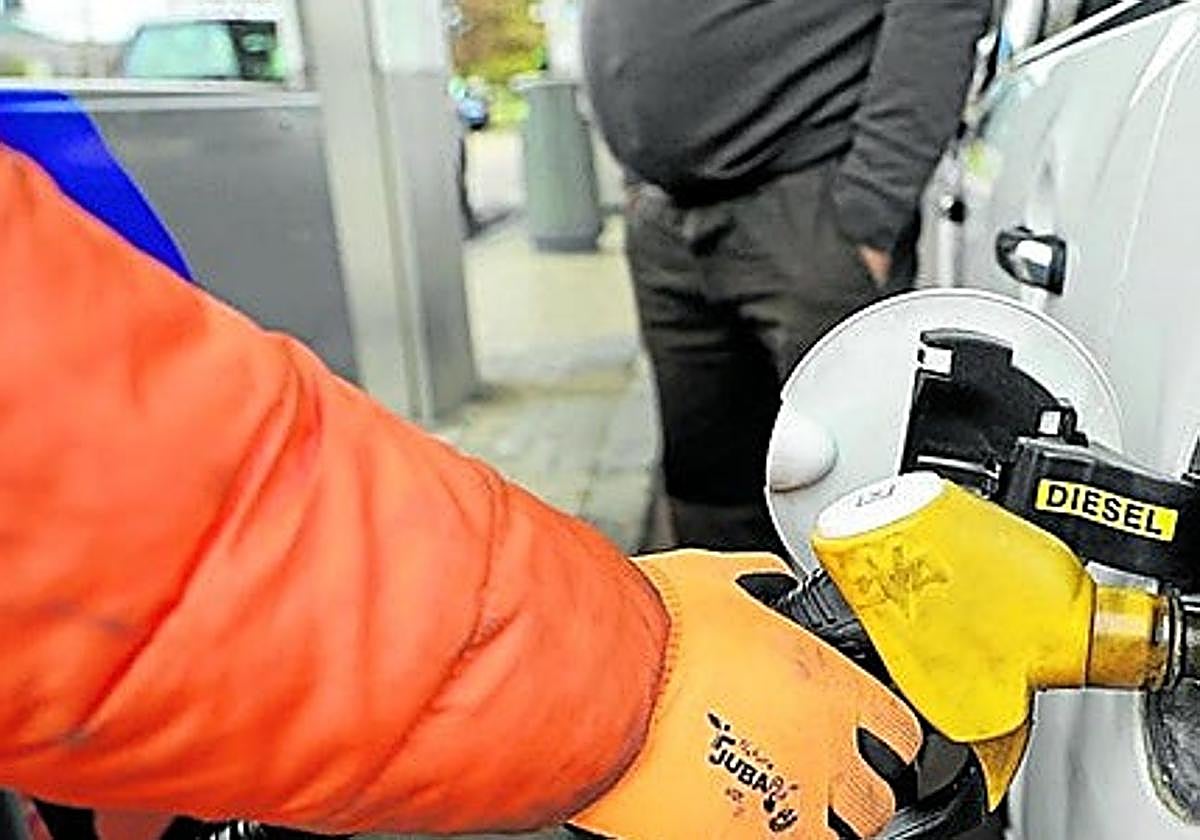
Brent crude continues its upward trend, hovering around 111 dollars per barrel, in a market clearly strained by the conflict in Iran and the uncertainty surrounding the trade blockade in the Strait of Hormuz. This increase in energy costs is being passed on to the end consumer, putting pressure on both users and specific sectors, such as transportation.
Among the most notable measures of the Spanish government are the reduction of IVA tax on fuels from 21 to ten per cent and the approval of aid for transporters of 20 cents per litre of diesel to compensate for the impact of the price increase.
At the end of April, both petrol and diesel remained above 1.50 euros per litre, although they reached around 1.80 euros during the first month of the conflict.
![[]](http://static.vocstatic.com/voc26/latest/assets/images/favicon/surinenglish/apple-touch-icon-57x57.png)