
Tourism
Spain's Minister of Tourism predicts 100 million tourists this year
The government forecasts record spending of 64 billion euros during the peak season and defends the strength of the Spanish tourism model amid global uncertainty
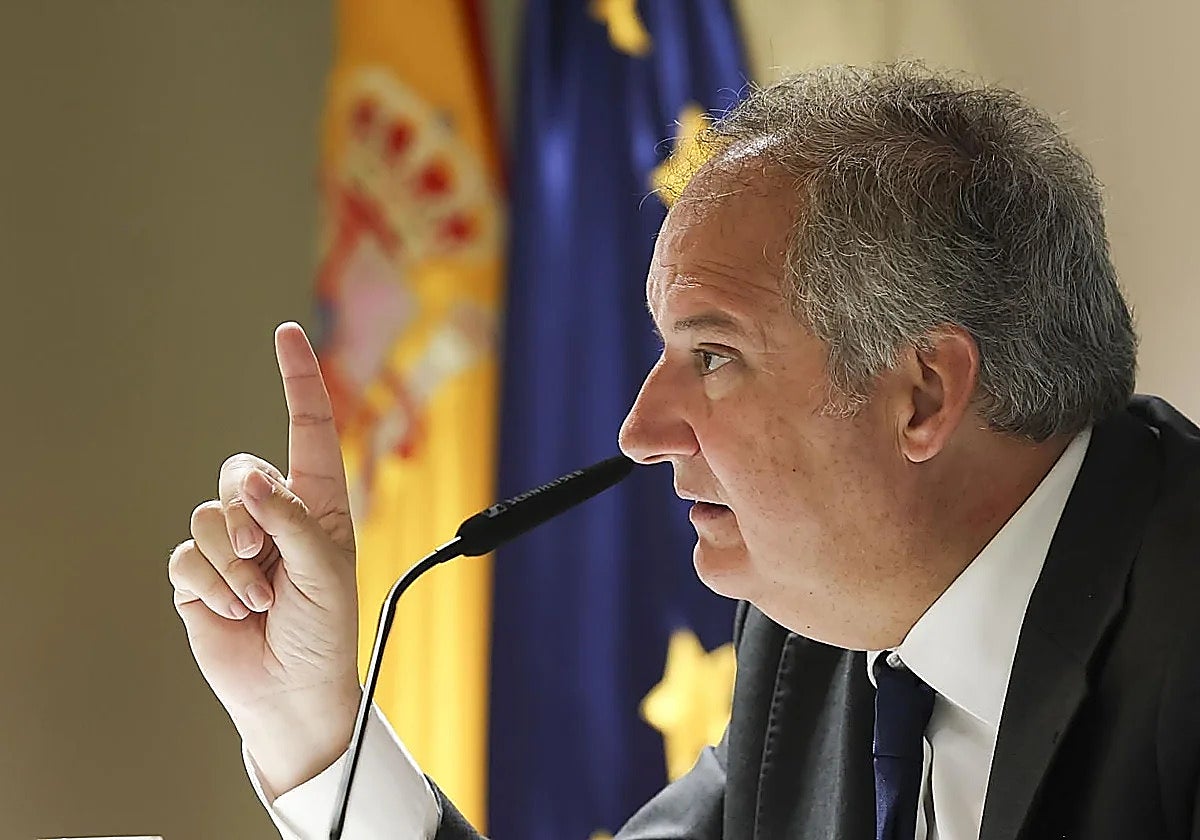
José A. González
Spain's Ministry of Industry and Tourism believes that the country will "likely" reach the 100 million international tourist mark in 2026.
Even if Spain achieves this milestone, "what's truly important for the government" is the increase in spending. Fortunately, the figure is growing faster than the number of visitors. Spain is projected to reach September with accumulated spending of over 114 billion euros, according to official forecasts.
Minister Jordi Hereu expects that, between May and August, around 43 million international tourists will visit Spain, 6% more than in the same period last year, with record spending of 64 billion euros, 10% more than in the second quarter of 2025. With these figures, Spain would close August with nearly 80 million visitors.
Related story
"The tourism model in Spain is very resilient. In recent years, it has withstood and even grown through the recovery from the pandemic, the conflict in Ukraine and now also the conflict in the Middle East," Hereu stated at a press conference this Monday.
He highlighted Spain's position as a safe destination in a global geoeconomic context marked by uncertainty.
Middle East
The Ministry of Industry acknowledges that the Middle East conflict could bring more tourists to Spain, but also warns of its potential negative effects on the sector, including increased inflation, kerosene supplies and the economic performance of key source markets such as Germany, the UK and France.
"We are concerned about the direct, indirect and induced effects of a conflict that is not yet over," Hereu stated.
Despite this, Spain maintaining and even increasing its appeal abroad is excellent news, as it consolidates one of the country's main pillars of growth and prosperity. Tourism, Hereu stated, will continue to grow, but it will do so "as the government wants it to grow": by deepening the change in the model and under the banner of triple bottom line sustainability.
The ministry says that the increase in spending compared to arrivals confirms the trend from recent years: deseasonalisation, moving towards a model in which off-seasons become more important.
Sustainable tourism
Hereu also highlighted the rollout of the Spain tourism strategy 2030, which aims to improve the quality and competitiveness of the Spanish tourism industry in a sustainable manner.
The minister also highlighted the impact of decentralisation policies, aimed at distributing tourist flows more equitably among the different regions of Spain.
According to Turespaña's projections, international tourist spending will grow more strongly this summer in traditionally less tourist-oriented regions, with year-on-year increases of between 8% and 10%, compared to increases of between 5% and 6% in the main destinations (Andalucía, Madrid, Catalonia, Valencia, the Balearic Islands and the Canary Islands).
All the variables reflecting the health of the sector have shown positive trends in the first five months of the year. Through May, the last month with official data, spending by international tourists grew by 7.8%, reaching 50.2 billion euros, while arrivals increased by 5%, exceeding 36 million visitors.
At the same time, tourism employment is at a record high, with more than three million workers employed in the sector. Seasonal employment in tourism during the first quarter was lower than in the economy as a whole.
Access the broad Spain national news archive
![[]](http://static.vocstatic.com/voc26/latest/assets/images/favicon/surinenglish/apple-touch-icon-57x57.png)