
Energy
Spain turns off Russian gas tap in September ahead of an uncertain winter
For the first time since the war in Ukraine began, no Russian gas reached Spain last month, but Moscow remains the country's third-largest supplier so far this year
Cristina Cándido
Madrid
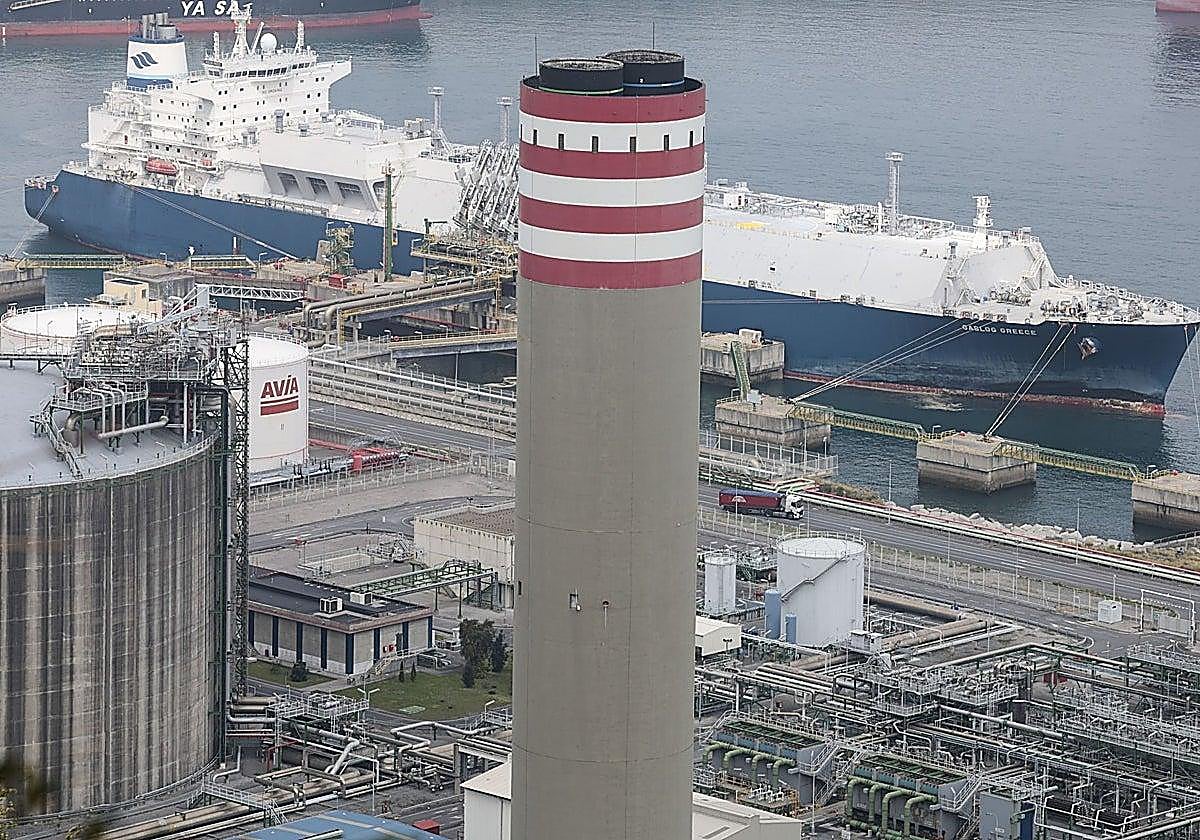
For the first time since the outbreak of the war in Ukraine, Spain received no natural gas imports from Russia during the month of September.
However, with just months remaining before Brussels introduces a phase-out timetable banning Russian gas imports between late 2026 and 2027, Moscow continues to hold a significant stake in the nation's energy supply.
Related story

Between January and September, Russia accounted for 15.2 per cent of Spain's total gas imports, maintaining its position as the country's third-largest supplier behind Algeria (34.2 per cent) and the United States (30.7 per cent), according to the latest statistical bulletin released on Friday by grid operator Enagás.
US leads monthly supplies as EU bans loom
The United States led Spain's gas deliveries last month, supplying 48.2 per cent of the total, followed by Algeria at 29.3 per cent and Nigeria at 10.9 per cent. Together, these three nations accounted for nearly 88 per cent of Spain's monthly gas intake.
The pause in Russian shipments coincides with tightening European market regulations. Brussels plans to ban long-term contract imports of Russian Liquefied Natural Gas (LNG) starting in January 2027 as part of its broader strategy to eliminate energy reliance on the Kremlin. Against this backdrop, Spain enters the final quarter of the year with underground storage reserves significantly lower than during the same period last year.
Spanish underground storage facilities closed September at 75 per cent capacity, down from 87 per cent 12 months ago - a year-on-year drop of 13.7 per cent that shrinks the buffer available ahead of peak winter heating and power generation demand.
EU faces demand reduction pressure
Spain's situation reflects broader European market pressures, with EU-wide gas reserves also sitting below historic seasonal averages. Lower stored reserves increase the need for spot-market international purchases, raising exposure to price spikes if demand surges during cold weather spells.
The Institute for Energy Economics and Financial Analysis (IEEFA) warned on Friday that Brussels may need to cut European gas consumption by 7 per cent this winter compared to the previous year.
According to IEEFA data, European storage facilities were at 72.4 per cent capacity on 3 October - the lowest level recorded for that date since tracking began in 2011. The institute estimates that bridging the storage gap through additional spot market imports rather than demand reduction could cost the bloc approximately €3 billion, a 12 per cent increase over last year's winter supply bill.
![[]](http://static.vocstatic.com/voc26/latest/assets/images/favicon/surinenglish/apple-touch-icon-57x57.png)