
Politics
Spain and China strenghten their alliance
Six new agreements between the two countries expand markets, consolidate health frameworks and open up opportunities for key sectors
Javier Almellones
Spain is maintaining a sustained strategy to transform the Chinese market into one of the major destinations for Spanish products. The latest development in this target has been the signing of six agreement in the agri-food sector between the two countries.
Since 2018, Spain and China have signed 22 agreements, which reflects a process of gradual opening and constant adaptation to the health and trade requirements of one of the world's most complex markets.
In international agri-food trade, market access depends not only on the product itself, but also on a series of very strict technical requirements. Sanitary protocols, veterinary controls, certifications and traceability systems are, in practice, the obstacles to overcome. Without them, exporting is simply not possible.
In this case, the new agreements open up or expand the presence of specific products. Among them, pistachios and dried figs are entering the Chinese market for the first time, while the pork sector is expanding its export capacity with the inclusion of cooked products. Added to this is the recognition of the principle of regionalisation in diseases such as the bird flu, a key element for avoiding total trade blockades in the event of localised outbreaks.
This last point is especially relevant. Until now, a health problem in a specific area could shut down the entire market. This recognition introduces greater flexibility: it limits the impact to the affected area, allowing activity to continue in the rest of the country. In a sector where stability is fundamental, this type of progress has a direct effect on the security of exports.
Beyond the technical details, what consolidates is a commercial relationship that has been gaining importance within the Spanish agri-food sector as a whole. China is not just another destination. It is a market with significant absorption capacity, a growing demand for quality products and high standards in terms of food safety. Entering and maintaining a presence there requires constant adaptation to its conditions.
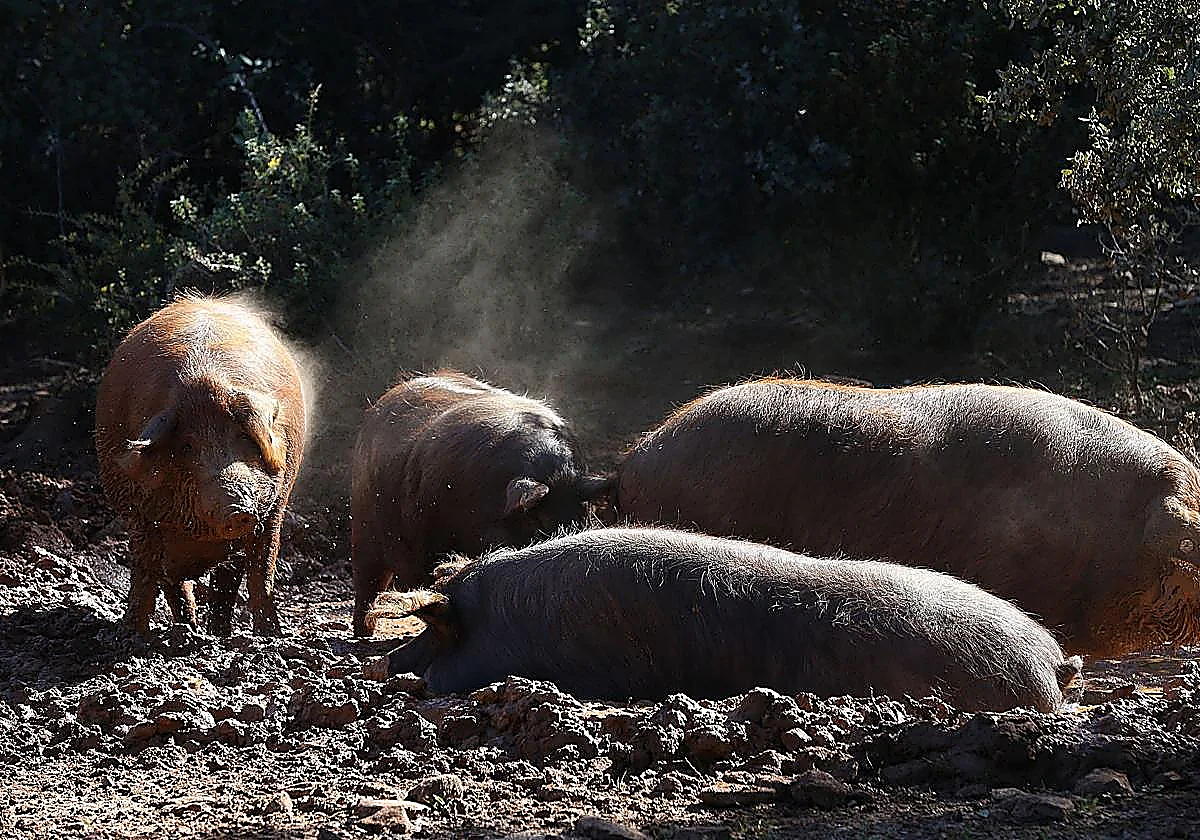
The pork sector is one of the clearest examples of this relationship. In recent years, it has been a major driver of Spanish exports to China, especially during periods when domestic production in Asia is at risk. But the new agreements point to a diversification that extends beyond this sector, incorporating other products with growth potential.
In parallel, there is also progress in the type of products for export. It's no longer just raw materials, but also higher value-added products, such as manufactured or processed goods. This follows a clear logic: to compete not only in volume, but also in quality, differentiation and adaptation to the market.
Another important aspect is the utilisation of byproducts. The agreement that allows the export of animal protein for fertiliser reflects a path towards more efficient models, which seek to utilise all parts of the production process. In a context of sustainability and a circular economy, these types of initiatives are becoming increasingly important.
From a strategic perspective, these agreements strengthen Spain's position in global agri-food trade. They not only facilitate access to a specific market, but also consolidate the country's image as a reliable supplier, capable of meeting demanding standards and maintaining stable, long-term trade relationships.
However, they also present challenges. Dependence on foreign markets, volatile demand and geopolitical tensions are factors that can influence the development of these relationships. Therefore, diversifying destinations and products remains key to the sector's future.
Ultimately, what these six agreements reflect is not just an improvement in export conditions. It is the consolidation of a model in which internationalisation becomes a fundamental tool for the growth of the Spanish agri-food sector.
![[]](http://static.vocstatic.com/voc26/latest/assets/images/favicon/surinenglish/apple-touch-icon-57x57.png)