
Economy
Spain's self-employed workers to declare their IVA tax just once a year if their turnover is under 85,000 euros
The last cabinet meeting before the election has scrapped quarterly payments, cut taxes for the sector by 465 million and postponed Verifactu

Many self-employed workers in Spain are close to seeing one of their long-standing demands met: to do away with the four quarterly IVA ... tax declarations and submit just one a year.
The measure, which cabinet approved just five days before the general election, will benefit self-employed workers with an annual turnover of less than 85,000 euros. According to the Treasury around 1.1 million people are in this category. This is one of the initiatives in the tax package approved on Tuesday, which also provides for personal income tax deductions for these workers.
The new voluntary system will scrap quarterly IVA returns. Instead, workers will only need to make advance payments in April, July and October. The tax agency will calculate these payments by dividing the previous year's IVA liability into four equal instalments.
As part of this package, the government has also increased the income tax allowance for provisions and expenses that are difficult to justify individually, raising it from five to ten per cent. It has also increased the monthly limit from 2,000 to 3,000 euros.
Current legislation allows self-employed workers to deduct a percentage of their profits to compensate for minor expenses that they find difficult to document individually. One example might be office supplies used by someone who works from home.
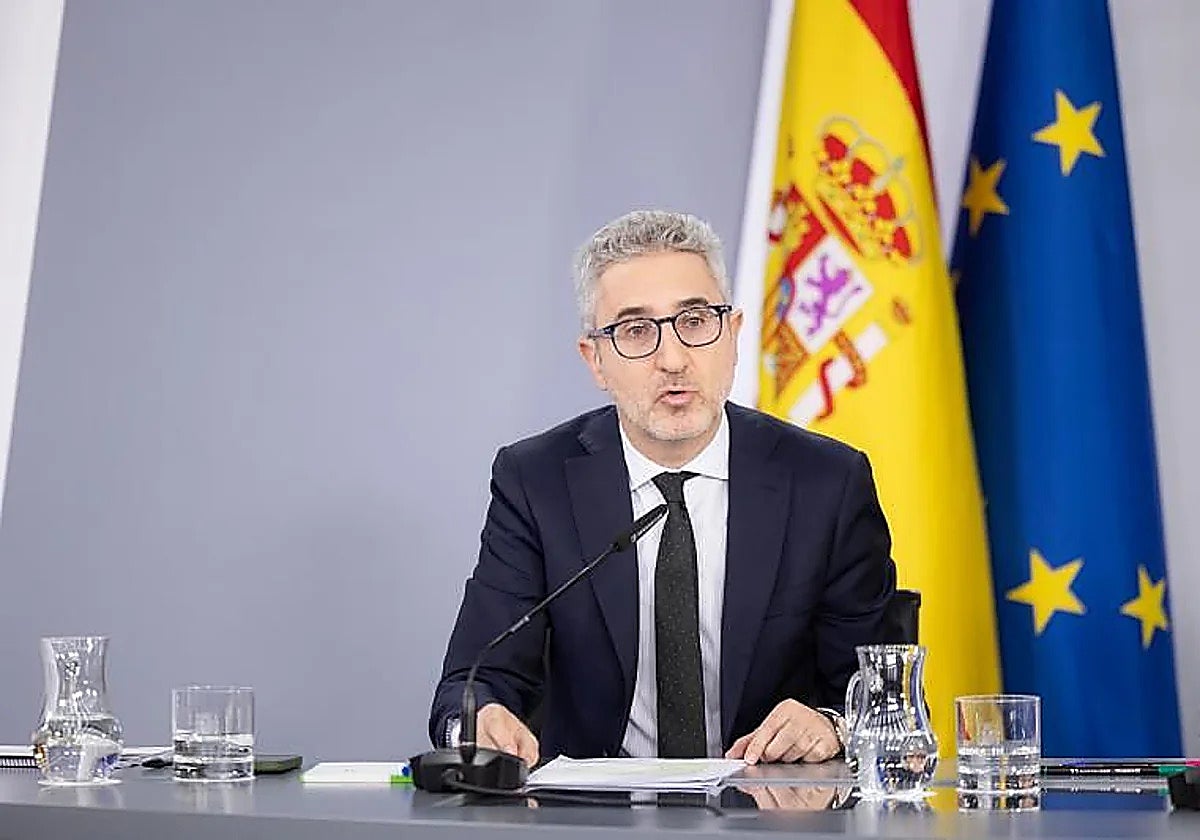
This second tax measure will take effect during 2026 and will benefit 2.6 million self-employed workers, according to Finance Minister Arcadi España, who announced the changes at a press conference following the cabinet's final meeting before the election.
Similarly, self-employed workers who use the 'módulos' (objective assessment) system will benefit from an increase in the tax allowance on their net profits, from five to ten per cent. Until now, this reduction only applied to agricultural, livestock and forestry activities.
The minister estimates that the tax deductions will provide total relief worth 465 million euros.
The new rules also extend the thresholds that allow self-employed workers to continue paying tax under the módulos system. In addition, the government has postponed the introduction of Verifactu until October 2028.
The tax agency originally planned to make this electronic invoicing system compulsory in July 2025, but the government has repeatedly pushed back its introduction. The self-employed employers' association ATA has welcomed the latest delay, although other organisations representing the self-employed, including Upta, have criticised it.
The Finance Minister justified the measures by pointing to rising costs for self-employed workers and the need to make tax planning easier for the 2027 financial year. He also described the changes as meeting "demands that the sector has been making", without mentioning the forthcoming general election on Sunday.
However, Lorenzo Amor, president of ATA, rejected this explanation. He accused the government of turning cabinet meetings into an "electoral tombola", pointing out that the self-employed have been calling for simpler tax arrangements for three years.
An end to advance income tax payments
The measures also affect advance income tax payments.
Self-employed workers who pay tax under the direct assessment system (estimación directa) will no longer have to submit advance income tax returns, known as Modelo 130, provided that their annual turnover falls below 85,000 euros and that their net tax liability for the most recent declared period is either negative or exceeds the advance payments they have already made.
Meanwhile, those who must continue submitting these returns and have annual turnover below 250,000 euros will see the applicable advance payment rate fall from 20 to 19 per cent.
The government has also extended the existing eligibility thresholds for the módulos tax system, a measure that will benefit around 60,000 self-employed workers. According to España, without this extension, these workers would have to leave the objective assessment system and move to the standard tax regime.
It is worth emphasising that reducing the number of IVA returns is not the same as introducing the so-called IVA exemption scheme (IVA franquiciado). This is a special EU scheme that allows self-employed workers and small businesses to avoid charging IVA on their invoices and submitting regular IVA returns, provided their annual turnover does not exceed 85,000 euros.
