
Adamuz rail accident
Railway specialist tells Adamuz case judge that Adif installed defective track ballast and asks to be treated as protected witness
Former quarry worker says the stone failed to meet technical specifications because it broke apart under pressure
Melchor Sáiz-Pardo and Javier Arias Lomo
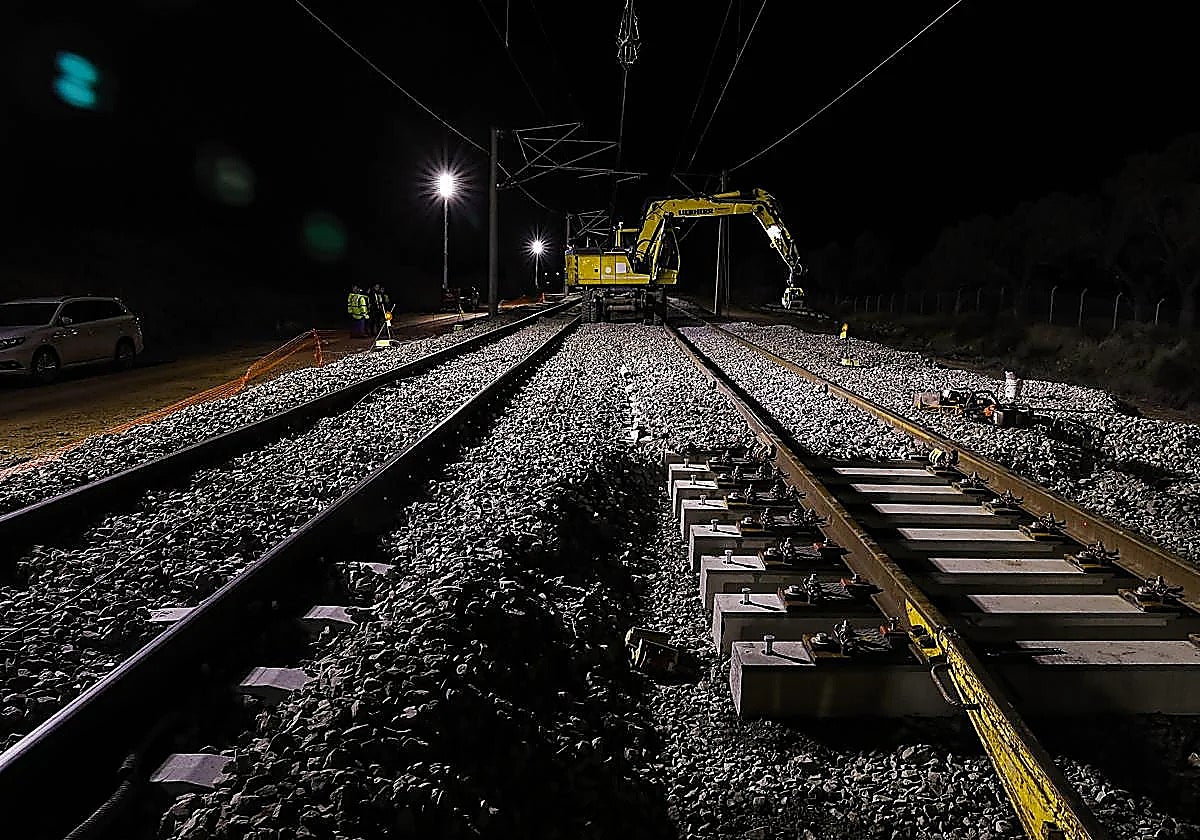
The investigation into January's rail disaster in Cordoba could take a significant turn. A railway technical specialist with more than 30 years' experience has told the judge investigating the accident in Adamuz that the ballast laid along the section of track where the crash occurred came from a quarry where he used to work and allegedly failed to meet Adif's requirements.
The former employee, who has asked to be granted protected-witness status in the case, is calling for urgent tests and says the temporary suspension of rail traffic should be considered while the track is inspected.
The former quarry worker claims that the stone used on the section where the accident happened was defective because it wore down too quickly and tended to break apart under the weight of passing trains. "The material is defective because of excessive wear and a tendency to fragment under the loads generated by rail traffic," the letter states. This deterioration would produce smaller particles and reduce the stability of the track bed.
Related story
The complainant specifically warns of "a loss of settlement and a loss of firmness in the track bed", which could ultimately cause the rails to become stressed or misaligned.
Quality of the track ballast
The witness is seeking protective measures to safeguard his identity against possible reprisals. He says he was dismissed after his "explicit refusal to take part in the manufacture, mixing and sale of ballast that did not comply with the technical specifications or required standards". According to his account, the employment dispute is now before the courts.
He also says he knows the precise chainage locations where the material in question was laid. He has offered to accompany investigators during inspections, identify where samples should be taken and witness their receipt and analysis by an official laboratory.
He is calling for petrographic analysis, as well as abrasion, wear and grading tests, to establish the stone's composition and strength. He argues that the quarry's mineral characteristics would make it possible to identify the source of the material. If the results support his suspicions, he proposes examining delivery records, inspecting the quarry facilities and tracing other supplies made for railway projects.
Judge orders sample testing and demands documents from Adif
The warning comes as the judicial investigation is already examining the origin of the materials used on the line. On 25 April, the judge asked Adif to clarify whether the rails, sleepers and ballast laid between kilometres 316 and 320 of the Madrid-Seville line were new or recycled, and to provide traceability records and certification.
On 30 October, Pastor Recover ordered sealed samples of ballast and concrete sleepers to be analysed at the Eduardo Torroja institute for construction science, with comparative tests to be carried out at the Cedex (centre for studies and experimentation in public works).
The ruling sets a maximum period of two months for the tests from the date the samples are formally handed over, unless a delay can be justified. It also requires the Guardia Civil to ensure that the chain of custody is maintained. The court order does not establish that testing has begun, nor does it endorse the witness's allegations.
The judge has also demanded from Adif the supply file for ballast batch three, from the Hornachuelos depot, relating to the points-renewal works. She has requested the technical specifications, the quality-control plan and the results of the material acceptance tests.
The three court-appointed experts had already highlighted gaps in the documentation they had received. They explained that they had information about batch two, from the Calatrava depot, when they needed to examine the Hornachuelos batch. The documents available do not establish whether that depot was supplied by the quarry identified by the complainant.
Experts found deformations in Adamuz points
The experts had also identified deformations requiring levelling work on points 631 and 632 at Adamuz. They noted that these formed part of the same renewal works as points unit A645, which was involved at the site of the accident, and requested track-measurement records from before and after the work.
The expert report locates the break under investigation at a weld at kilometre 318+681 on track 1, within the section covered by those renewal works, which were signed off on 19 December 2025. The experts compared the current deformations with others recorded in October 2025 near the location of the break, but did not establish any link with the material described in the complaint.
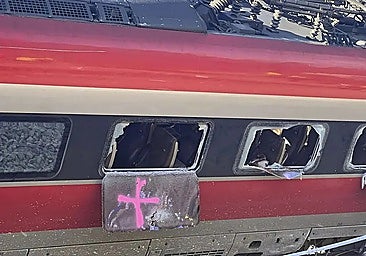
The Aitat (independent administrative authority for technical accident investigation) considers it established that the Iryo train derailed after a rail broke completely and that it then fouled the track used by the Alvia train. The cause of the fracture has not yet been determined and will depend, among other things, on specialist analysis of the metal.
Aitat has identified evidence consistent with the break having occurred around 22 hours before the disaster, during which time 47 trains passed over the affected section. The authority has recommended introducing measures capable of detecting such fractures before another train passes.
The technical specialist also alleges irregularities in the production of aggregates for asphalt mixtures at the same quarry, although this is a separate matter from the rail accident.
Access the broad Spain national news archive
