
Energy
Spain's petrol prices return to pre-war levels, while diesel remains 20% more expensive
Diesel prices have risen by 30 cents per litre since the end of February and the price gap between the two fuels is widening with just one month to go before the subsidies expire
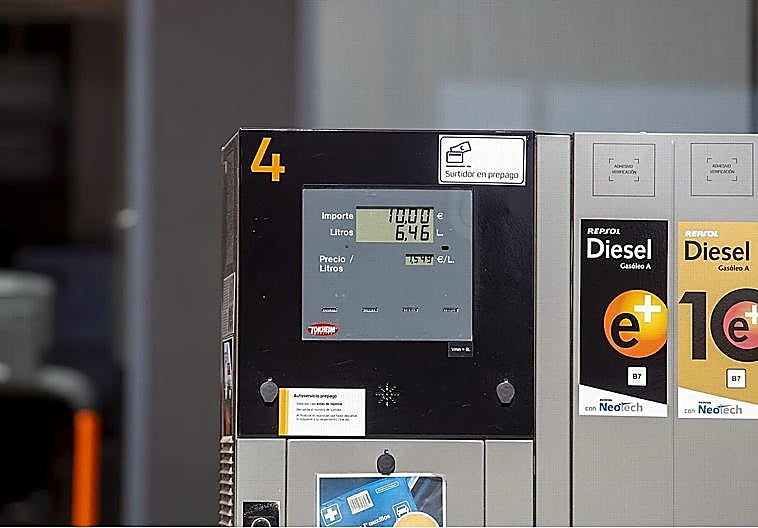

Pulling into a Spanish petrol station and filling up now costs practically the same as it did before the war in the Middle East. Provided, ... of course, that the car runs on petrol.
Drivers using diesel are still having to dig deep into their pockets: filling a 55-litre tank now costs 97.90 euros, 16.50 euros more than at the end of February. Petrol users, on the other hand, are paying barely 55 cents more. Nine months after the start of the conflict, the energy crisis is creating two very different realities for drivers.
The median price of 95-octane petrol stood at 1.54 euros per litre on Wednesday, compared with 1.53 euros on 28 February, according to data from the Ministry for Ecological Transition. Diesel, however, has risen to 1.78 euros, 20.3% higher than the 1.48 euros recorded at that time.
The war has reversed the price ratio between the two fuels. Diesel has gone from being five cents cheaper than petrol to costing 24 cents more per litre. The difference now stands at 13.20 euros per 55-litre tank, compared with the 2.75 euros that diesel car drivers used to save.
Petrol prices have now been falling for eight consecutive weeks. Since 1 October, the median price has fallen by 15.8%, compared with 8.7% for diesel. The tax cuts of the government have helped ease the pressure, although they are due to expire on 31 December. It remains to be seen whether they will extend further, into the new year.
Prices rose to just under two euros per litre in March. On 21 March, before the subsidy came into force, diesel reached 1.97 euros and petrol climbed to 1.83. Fiscal measures and market trends helped bring costs down by the end of June, when both fuels stood at 1.53 and 1.46 euros, respectively.
The summer brought the respite to an end. Diesel started October at 1.95 euros per litre and petrol returned to 1.83 euros. Since then, filling up has become 15.95 euros cheaper for petrol users and 9.35 euros cheaper for diesel users.
LPG (liquefied petroleum gas) has not escaped the price rises either. This alternative fuel has lost some of its appeal as a safe haven against price rises: it costs 1.17 euros per litre, 23.2% more than at the end of February. Although it remains cheaper per litre, its price advantage over 95-octane petrol has narrowed from 58 to 37 cents. While conventional fuels have been falling since October, LPG has risen by a further 4.5%.
The unknown factor of 2027
The respite on fuel prices coincides with the countdown to the expiry of the tax relief scheme. Sources at the Ministry of the Economy have told SUR that they are monitoring the situation "on a day-to-day basis", while the future of the measures for the coming financial year remains uncertain.
The middle of December is key. On 15 December, the publication of the final CPI figure for November will reveal whether fuel prices are still rising by more than 15% year-on-year, the threshold the government set to halt the phasing out of tax cuts during the final quarter.
The scheme expires on the last day of the year. Extending it to 2027 requires a new decision by the government. Petrol prices have returned to pre-war levels, but this has been achieved while tax cuts are still in place. Removing them could jeopardise the relief that drivers have enjoyed over recent weeks.
