
Economy
Spain's pension expenditure continues to rise, standing at 14.5 billion per month
Pension expenditure soared by 6.3% in September and the average monthly pension rose to over 1,570 euros
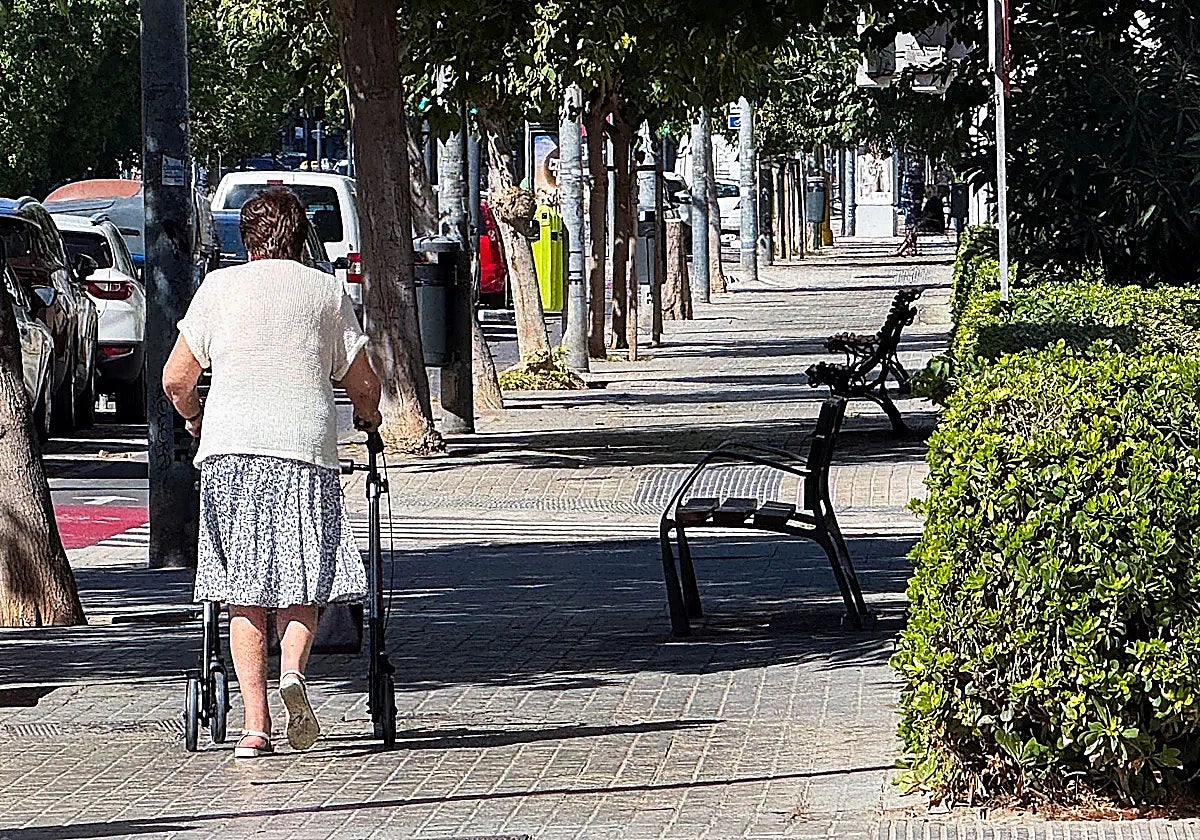

The Spanish pension system is at a critical moment. As the baby-boom generation reaches retirement age, the pressure on the Social Security accounts is ... mounting and will worsen in the coming decades.
In September, expenditure soared once again by 6.31% compared with the same month last year and the state had to pay out nearly 14.5 billion euros to cover the 10.5 million payouts, the majority of which are retirement pensions, according to figures from the Ministry of Social Security published on Friday.
Two factors lie behind the rise in the total pension bill: a larger number of pensioners and more generous benefits. The number of beneficiaries rose by 1.5% in September, exceeding 9.5 million. The average payment also increased, rising by 4.6% to 1,374.6 euros per month.
This is primarily due to the latest reforms to the system, which once again linked the amount of contributory pensions and civil service pensions to the average inflation rate of the previous year, resulting in a 2.7% increase for 2026. Meanwhile, non-contributory and minimum pensions are rising by a greater margin, at a rate set by the state, which for this year ranges from 7% to 11.4%.
Consequently, the average retirement pension, which more than two-thirds of all pensioners receive, has now reached 1,576.1 euros per month, a year-on-year increase of 4.5%. However, looking at the benefits new pensioners receive, their average monthly pension stood at 1,711.4 in August, according to the latest available figures. This means that a pensioner receives up to 500 more than someone on the national minimum wage in Spain.
The Social Security system spent 10.65 billion euros on retirement pensions, accounting for 73.5% of the system's expenditure, nearly 2.3 billion euros on widow's pensions, 1.3 billion on permanent disability benefits, 185.5 million on orphan's benefits and 38.8 million on dependants' benefits.
Delay in retirement
More than half (68.9%) of new pensioners left the labour market at the standard retirement age, which this year stands at 66 years and ten months and will rise to 67 years in 2027. Despite this, an increasing number of people are choosing to voluntarily delay their retirement following the latest legislative changes introduced by the government, which provide incentives for doing so.
Up to August 2026, 247,161 new retirement pension claims were recorded, of which 11.6% were cases of voluntary deferred retirement, almost 7% higher than the figure recorded in 2019. As a result of voluntary deferral of retirement and a reduction in early retirement, the average age at which people retired stood at 65.4 years, compared with 64.4 years in 2019.
![[]](http://static.vocstatic.com/voc26/latest/assets/images/favicon/surinenglish/apple-touch-icon-57x57.png)