
Economy
University loans in Spain quadruple in a decade and now account for 14 per cent of consumer credit
Banks are offering loans of up to 80,000 euros and grace periods to help students cope with the soaring costs of tuition fees, accommodation and other expenses
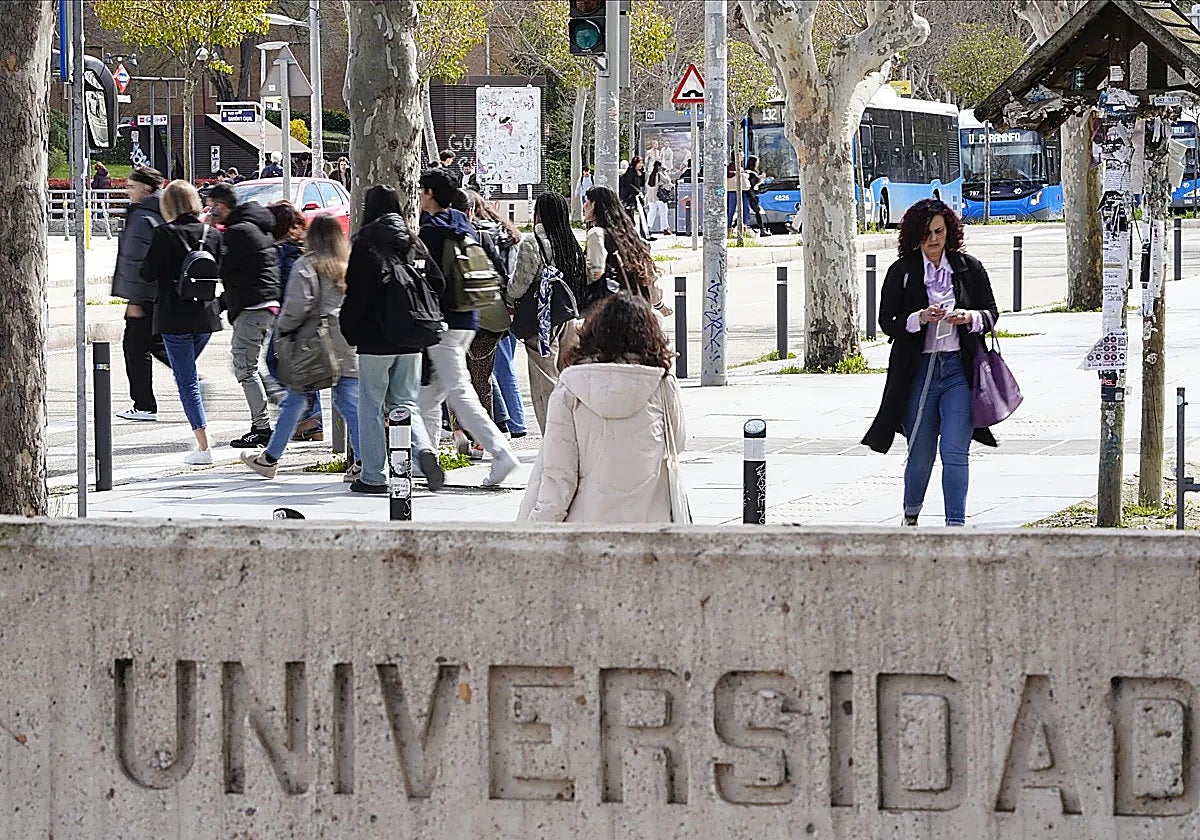

University education in Spain is taking an increasingly large bite out of household budgets, forcing young people to borrow money to begin their university studies.
Loans to cover tuition fees, accommodation, living costs and transport now account for 14.2% of consumer credit, while accumulated inflation has reduced the ability of many households to cover these costs from their own resources.
While Spain has no specific national student loans scheme as the UK does, the proportion of families turning to credit for university education has risen since 2023. Loans have quadrupled over the past decade, according to historical data analysed by the Asufin consumers' association.
University tuition fees account for between seven and eleven per cent of a student's annual spending when they study away from home. A 60-credit academic year at a public university in Spain costs around 929 euros, 25.5 per cent less than a decade ago, although this has not offset the increase in other expenses.
Costs are considerably higher at private universities, where tuition for on-campus courses ranges from 4,700 to 20,000 euros, according to figures from financial comparison website HelpMyCash.
The biggest difference, however, comes when students move away from the family home. "Studying in your own city is not the same as moving from Cáceres to Madrid or from Castellón to Barcelona. Accommodation, food and transport push up the budget considerably," economist Olivia Feldman says.
Catalonia and the Madrid region are the most expensive areas, with costs approaching 2,000 euros for an undergraduate student and exceeding 10,000 euros when relocation is required. If the student is also taking an official master's degree, they would need another 1,000 euros.
Varying conditions
The financial sector has responded by expanding its range of loans specifically designed to cover education costs. The amounts and conditions vary from one lender to another, but some banks offer financing ranging from a few hundred euros to cover tuition fees to as much as 80,000 euros for an entire degree and associated expenses.
Banco Santander offers the highest maximum amount among the lenders analysed. BBVA adjusts its offering according to the length of the course and provides loans of up to 75,000 euros.
Ibercaja, Kutxabank, some Cajamar products and Abanca offer up to 60,000 euros. Abanca also allows borrowers to add a further 15 per cent for day-to-day expenses. MyInvestor offers up to 50,000 euros.
Banco Sabadell can finance all or part of undergraduate degrees and postgraduate courses, while its maximum financing for master's degrees is 45,000 euros. If tuition fees are below 15,000 euros, students can also finance costs directly related to their studies, such as materials or accommodation, provided the overall amount remains within that limit.
CaixaBank, meanwhile, offers student financing through its MicroBank subsidiary, with a maximum of 30,000 euros.
Beyond the amount available, one of the most important differences lies in the cost of borrowing. This makes it particularly important to compare the annual percentage rate (APR) rather than looking only at the advertised interest rate, as fees, the repayment period and the availability of repayment holidays can significantly affect the final cost.
One of the most relevant features of some of these loans is the option to defer repayment of the principal while the student is still studying. On paper, this is an obvious advantage for students who do not yet have an income, as it reduces financial pressure during their studies.
However, interest continues to accrue while repayment of the principal is deferred.
![[]](http://static.vocstatic.com/voc26/latest/assets/images/favicon/surinenglish/apple-touch-icon-57x57.png)