
Zapatero
The fall of the elder statesman: Zapatero’s transition from mediator to suspect
Calama claims that the former PM turned his official office into the "coordination centre" for a corrupt network


The judicial portrait of José Luis Rodríguez Zapatero, as meticulously drawn by Judge José Luis Calama, has undergone a radical transformation from that of a ... retired international mediator to the alleged mastermind of a sophisticated corruption network.
This unprecedented shift began when the High Court magistrate lifted the seal on a devastating investigation, placing the former Spanish Prime Minister at the "apex" of a criminal structure designed to trade political influence for illicit financial gain.
According to the court, Zapatero did not merely lend his reputation to the scheme but exercised "effective leadership" over an organised cell that used his official state office on Ferraz Street - just yards from the PSOE headquarters - as a "coordination hub" for global operations involving gold, petroleum coke, and currency speculation.
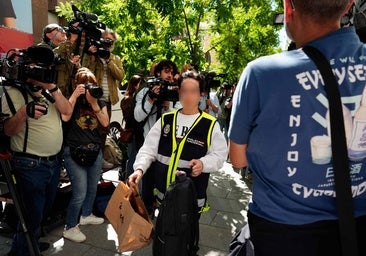
The narrative of corruption deepened significantly with the investigation into the €53 million state bailout of the airline Plus Ultra.
The Unit Against Economic and Fiscal Crime (UDEF) alleges that this public rescue package, granted during the height of the pandemic, served as a primary vehicle for funneling money back to Zapatero and his inner circle.
At the heart of this web was Julio Martínez Martínez, a close friend and "running partner" of the former leader, who allegedly acted as a "lackey" to manage the "dirty" details while Zapatero remained shielded as the "ultimate beneficiary."
The investigation suggests that the airline paid hundreds of thousands of euros in "consultancy fees" to firms linked to Martínez, which were then almost immediately transferred to Zapatero himself, often under the guise of "strategic reports" that investigators believe were entirely fictitious.
This shadow operation reportedly extended to Zapatero’s own family, with the UDEF searching the communication agency Whathefav SL, managed by his daughters, to determine if it served as a conduit for laundering these illicit commissions.
The timing of the financial movements has proved particularly damning; the consultancy used to facilitate the payments was incorporated just weeks after the clandestine landing of Venezuelan Vice-President Delcy Rodríguez in Madrid - an event that has long been shrouded in political controversy.
As former ministers and associates provide testimony of "lobbying" and "pressure" from the former leader to facilitate these Venezuelan-linked deals, Zapatero now faces a historic appearance before the High Court on 2 June. It is a moment that marks a constitutional first for Spain, as a former head of government stands accused of turning the highest levels of political influence into a private family enterprise.
![[]](http://static.vocstatic.com/voc26/latest/assets/images/favicon/surinenglish/apple-touch-icon-57x57.png)