
Economy
Inflation remained at 4.9 per cent in October despite the new anti-crisis measures coming into force
Fuel prices have fallen more than in the same month last year, while core inflation also remains at 3.1 per cent
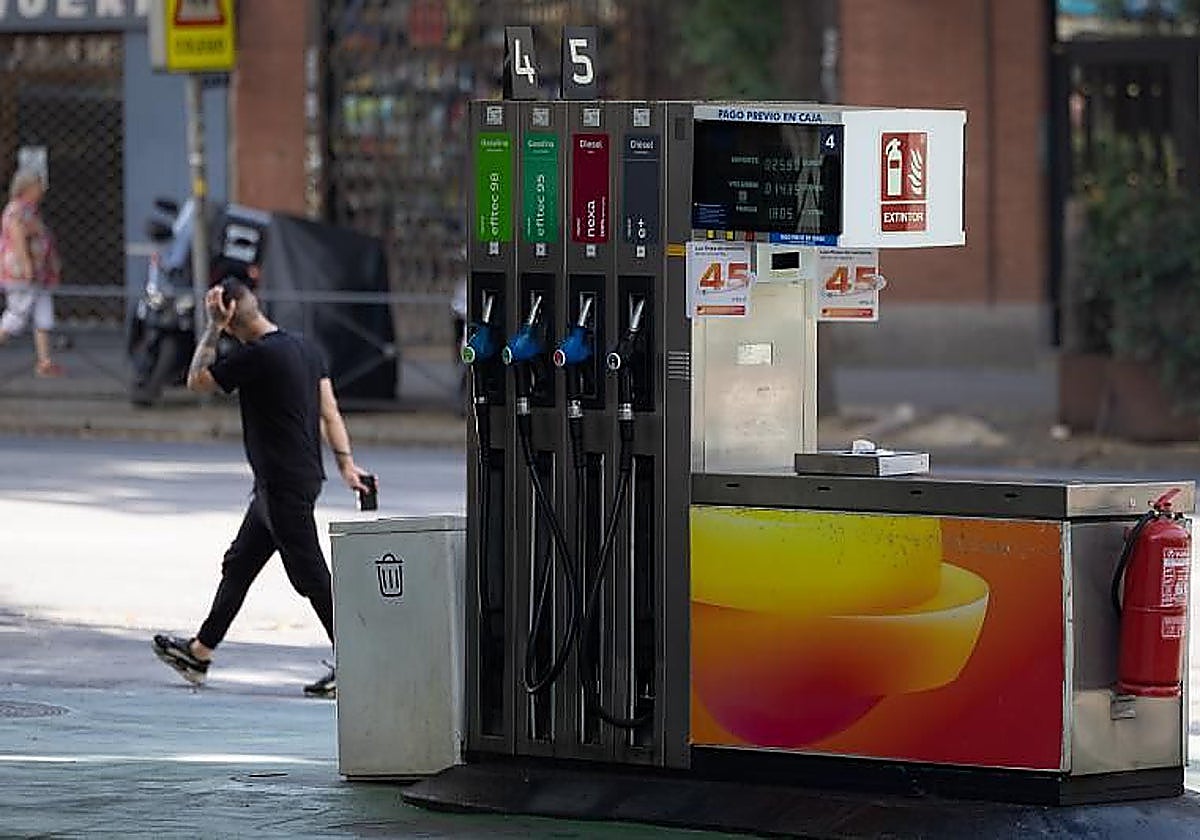

The second extension of the package of anti-crisis measures approved by the central government last month in response to the war in Iran is ... facing its first major test. Inflation remained at 4.9 per cent in October, according to the preliminary figures released by the national statistics institute (INE) on Friday. Following the introduction of the 20-cent subsidy on diesel and petrol, prices for fuels and lubricants for private vehicles fell more sharply than in the same month last year, helping to bring the inflation rate down.
By contrast, the cost of heating fuels and gas rose, pushing the rate upwards, according to the INE. The estimated annual rate of change in core inflation – which excludes unprocessed food and energy products – also remained at 3.1 per cent, the same figure as in September. Harmonised inflation, however – which is the figure used in international statistics – fell by one-tenth of a percentage point to stand at 4.9 per cent.
The conflict in the Middle East has dragged on for longer than the markets had anticipated, triggering a major inflationary crisis across much of the world. This situation has led national and international bodies to revise their forecasts upwards, with prices now expected to rise much more sharply than estimated at the start of the year. Spain is particularly affected by this trend, as, even before the war began, it had the highest core inflation rate among the major economies of the eurozone.
To tackle the situation, the government has introduced two extensions to the anti-crisis measures designed to mitigate the effects of the war. The second of these, approved in September, is reflected in the index published this Friday, as inflation has not continued its upward trend. However, we will need to wait for the full data to be published to see what the year-on-year increase in fuel prices has been in order to know whether the measures will also be extended in the coming months, as the decree-law stipulates that the increase must exceed 15 per cent to trigger the safeguard clause.
