
Climate change
Hottest summer in European history gives way to first red alerts for 'dana' rains in Spain
The Copernicus monitoring system confirms dramatic environmental records in the western part of the continent, with low river flows, record-high sea temperatures and forest fires

Madrid
The summer heat is still lingering in some parts of Europe this October, but weather stations have already started issuing the first red alerts for ... heavy 'dana' rains. The memory of the one that claimed more than 200 human lives in Valencia two years ago is still fresh.
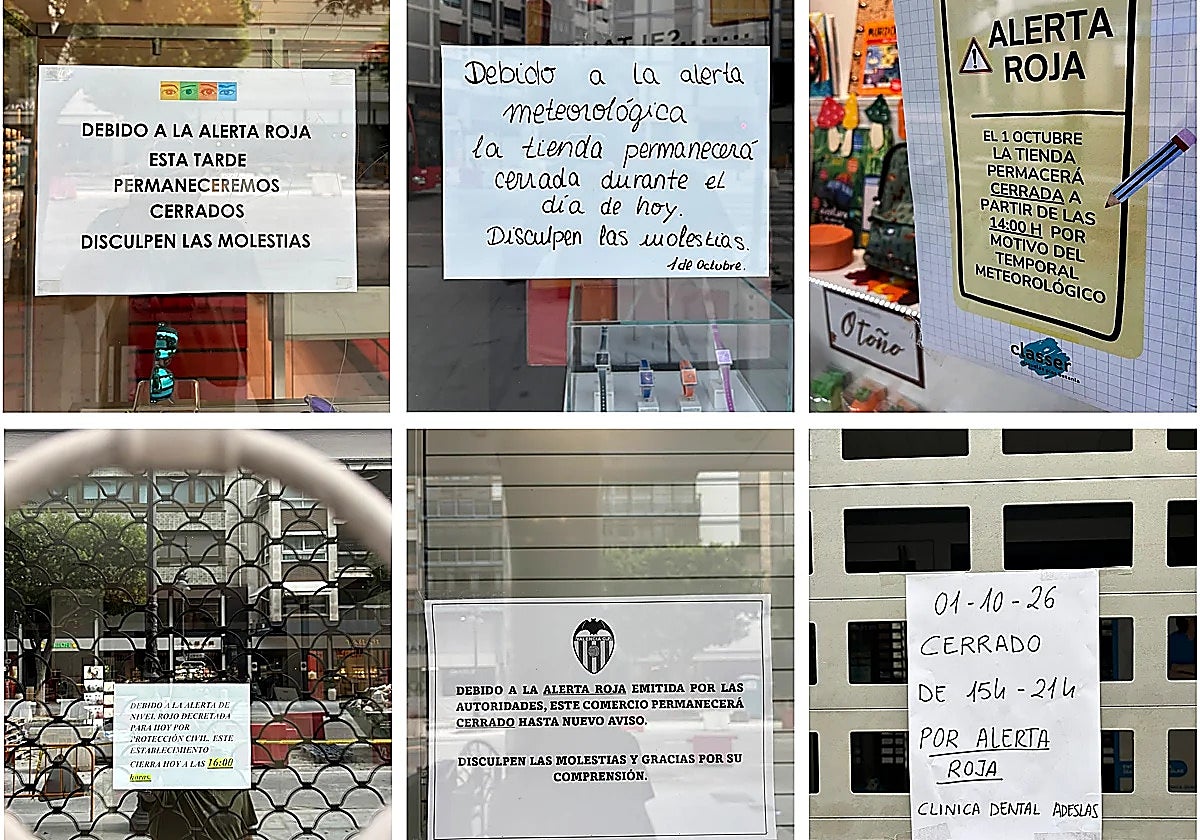
On Thursday, Aemet (Spain's meteorological agency) issued a red alert for Catalonia and Valencia, with an "extraordinary danger" warning for the provinces of Tarragona, Valencia and Castellón.
Related story

On the very same day, the Copernicus Climate Change observatory confirmed that this year had seen the third-hottest summer on record in Europe and the hottest on record in Western Europe, with heatwaves beginning in May. The average temperature at the end of the summer was 38C, not only in Spain, but also in neighbouring countries.
The ECMWF (European Centre for Medium-Range Weather Forecasts) and the Copernicus emergency management service found that 80 per cent of Europe had experienced "severe" heat, with "very severe" heat stress affecting half the continent in recent weeks. While sea temperatures were record-high, river levels were record-low.
The Atlantic and the Mediterranean recorded "exceptionally warm" temperatures, with record-breaking surface temperatures. "These were accompanied by intense marine heatwaves, characterised by prolonged periods of unusually warm ocean temperatures. Marine heatwaves can intensify the heat in nearby coastal areas by limiting nighttime cooling, increasing humidity and exacerbating heat stress," Copernicus sources stated.
Riverbeds this summer had not been this dry for 30 years. "The prolonged and severe drought conditions across Europe led to the summer with the lowest river flows recorded on the continent since records began in 1992. In July and August, record-low or near-record-low flows were recorded in many of Europe's major rivers, such as the Rhine, the Danube, the Po, the Loire, the Rhône and the Seine. This caused serious disruption across multiple sectors, including freight transport, affecting supply chains, while also placing increasing pressure on irrigation, the cooling of nuclear reactors, hydroelectric power generation and the availability of fresh water," Copernicus stated.
Copernicus highlighted the "close link between climate change and significant geopolitical challenges such as energy security". It also stressed the danger to people and property, as in the case of forest fires.
Up to September, "the area burnt in the EU was almost double the average for the 2006-2025 period at that time of year, with particularly intense activity in Spain and France". Copernicus data shows that emissions from forest fires in Europe at the end of the summer were among the ten highest since 2003, "exposing millions of people to dangerous levels of air pollution".
"On average, in Western Europe, intense heat stress was recorded for 41 days, a record figure, five days more than in 2003. In the same area, the number of days with very intense heat stress, which reached 13, also set a record," the Copernicus report says.

The average temperature was 2.5C above the summer average between 1991 and 2020. It surpassed the record high set in 2003. "The exceptional heat extended well beyond the heart of summer, with record daily temperatures also recorded in May and September," the report says.
The persistence and the geographical extent of the heat were equally remarkable: in 2026, there were 17 days with temperatures above 30C in at least 60 per cent of Western Europe, compared with 11 in 2003 and seven in 2025.
Risk of damage
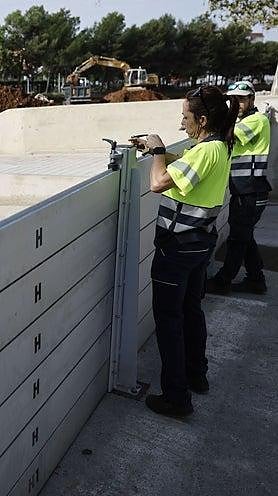
Now, we are moving from sweltering heat to torrential rain and the damage could be just as significant.
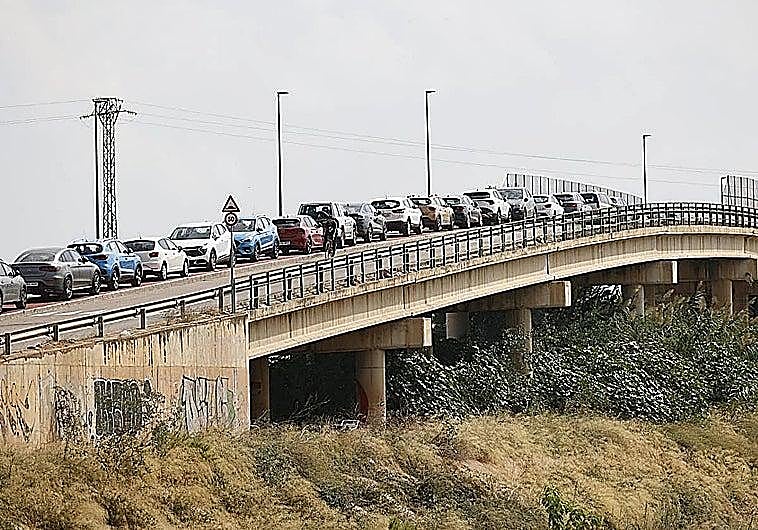
Adverse weather conditions with heavy and persistent downpours, as was the case in some Spanish provinces this Thursday and Friday, could predominate this autumn.
We can expect the start of a period characterised by increased instability caused by the influx of cold air at middle and upper levels and the intensification of easterly winds, which will bring large amounts of moisture from the Mediterranean at lower levels.
As a result, heavy showers and storms will gradually spread to large areas of mainland Spain and the Balearic Islands, with the heaviest rainfall in parts of the eastern third of the country, where the intensity and persistence of the rainfall may lead to sudden localised flooding in low-lying areas, streams and riverbeds.
According to Aemet, the heaviest rainfall and the most significant accumulations on Saturday are likely to shift towards the coastal and near-coastal areas of Catalonia, as well as the Balearic Islands, although it cannot be ruled out that this situation may continue into Sunday. During the day, a cold front will become isolated over the western part of mainland Spain, meaning that showers and thunderstorms will continue to affect large areas in the days that follow.
![[]](http://static.vocstatic.com/voc26/latest/assets/images/favicon/surinenglish/apple-touch-icon-57x57.png)