
Economy
Heatwaves are reducing Spain's economic growth by more than 1%
Agriculture is the sector that feels the most immediate impact of the drought, but the construction and manufacturing sectors take much longer to recover and suffer "more lasting consequences"
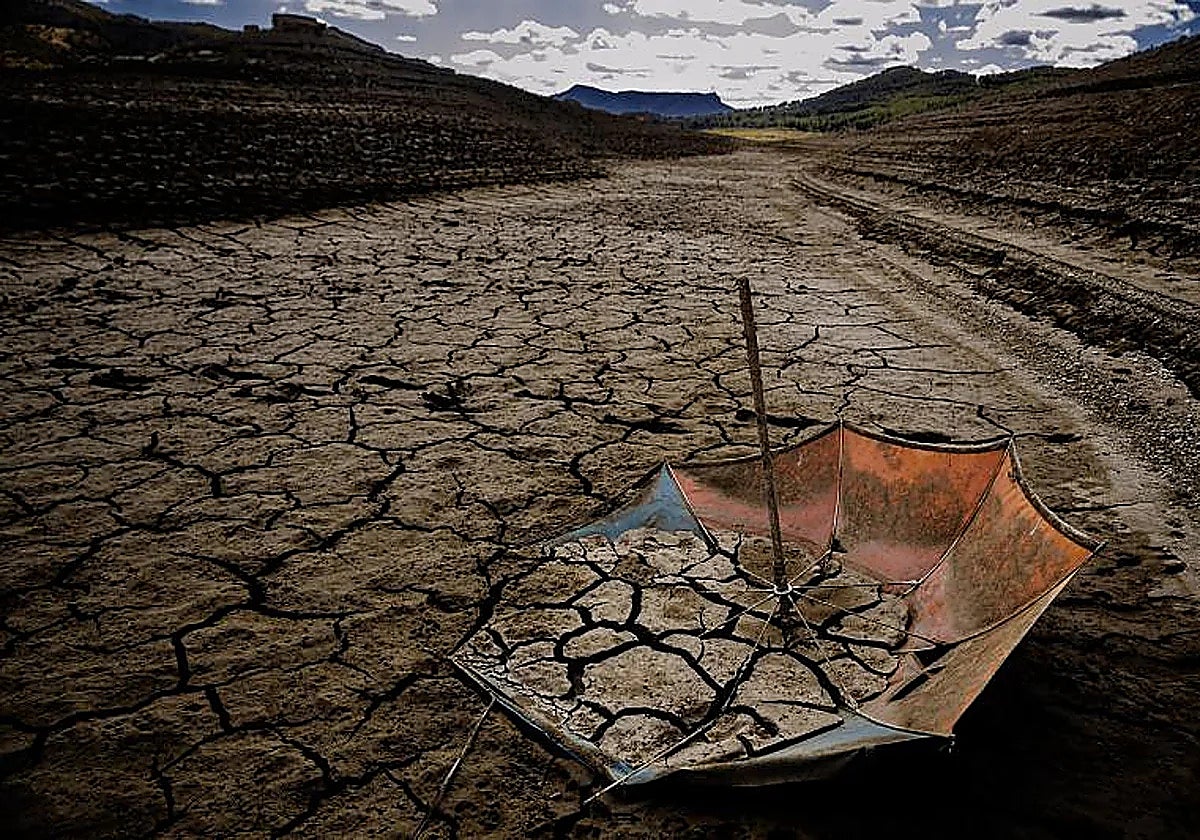

Heatwaves are taking their toll on both the Spanish people and the country's economy.
This July was the hottest on record, tied with 2022, ... and also the driest, according to data from the Ministry for Ecological Transition. In fact, the average temperature in mainland Spain was 25.7C, which is 2.6 C higher than the average for the 1991-2020 reference period.
The heatwaves recorded in 2025 reduced Spain's GDP by 1.4%, according to a study by Allianz Research. The reasons for this include lost productivity, damage to property and strain on infrastructure.
Related story

The estimated losses in Spain are double those for Europe as a whole, as Allianz calculates that the average impact across the continent stood at 0.5%.
The lack of rain is also a cause for concern among experts. The drought cost Europe some 439 billion euros between 2015 and 2018, according to a study by Italian think tank CMCC. Estimates suggest that this episode of extreme drought reduced per capita GDP growth across the EU by 2.72%.
Southern Europe stands to pay the highest price. Taking the previous drought as a benchmark, if the global temperature were to rise by 2C compared with late 19th-century levels (0.6C less than the anomaly in Spain in July of this year alone), the cost in terms of GDP in Spain would rise from 2.2% to 7.7%. Greece, Portugal and Albania would also face losses up to three times greater than those recorded in 2018.
The same drought that occurred between 2015 and 2018 would cost almost twice as much in a world that is 2C: 5.21% of GDP, around 760 billion euros and some 10.8 million jobs.
Losses by sector
Heatwaves do not impact all economic sectors the same way. According to the CMCC study, agriculture faces the most immediate losses, but is able to recover within two to three years thanks to insurance, price adjustments and changes in crop choices.
The manufacturing and construction sectors, on the other hand, suffer the most long-lasting consequences. "Investment is the most vulnerable component of the economy and the construction and manufacturing sectors are those that suffer the most lasting consequences. Companies postpone and cut back on investment for years following a drought, well beyond the immediate impact," the authors of the study note.
Extreme weather events
In addition to heatwaves and droughts, there are other extreme weather events, such as floods, torrential rain and forest fires, which result in both human and economic losses.
Airef estimates that natural disasters have cost Spain 65,000 million since 2005. This includes everything from compensation for floods, the most severe of which was the dana in Valencia in 2024, forest fires and droughts, to the emergency aid to tackle the Covid-19 pandemic.
"Natural disasters take an enormous human toll, but they also have a significant economic and fiscal impact," tax authority sources say. All the evidence suggests that climate change will cause such events "to become increasingly frequent and intense".
The outlook for the future is even less encouraging. Over a 30-year period, the cost of climate-related risks in Spain could amount to between 3.8% and 6.8% of GDP, according to Scope Ratings.
"Countries that already face higher average temperatures tend to be more severely impacted," the European credit rating agency, which identifies Greece and Cyprus as the two countries most exposed to chronic physical risks, says.
![[]](http://static.vocstatic.com/voc26/latest/assets/images/favicon/surinenglish/apple-touch-icon-57x57.png)