
Child welfare
Spain is working on transfer of 500 migrant girls from Ceuta to the mainland
The Ministry of Youth and Children seeks to expedite the reception of "vulnerable" unaccompanied minors
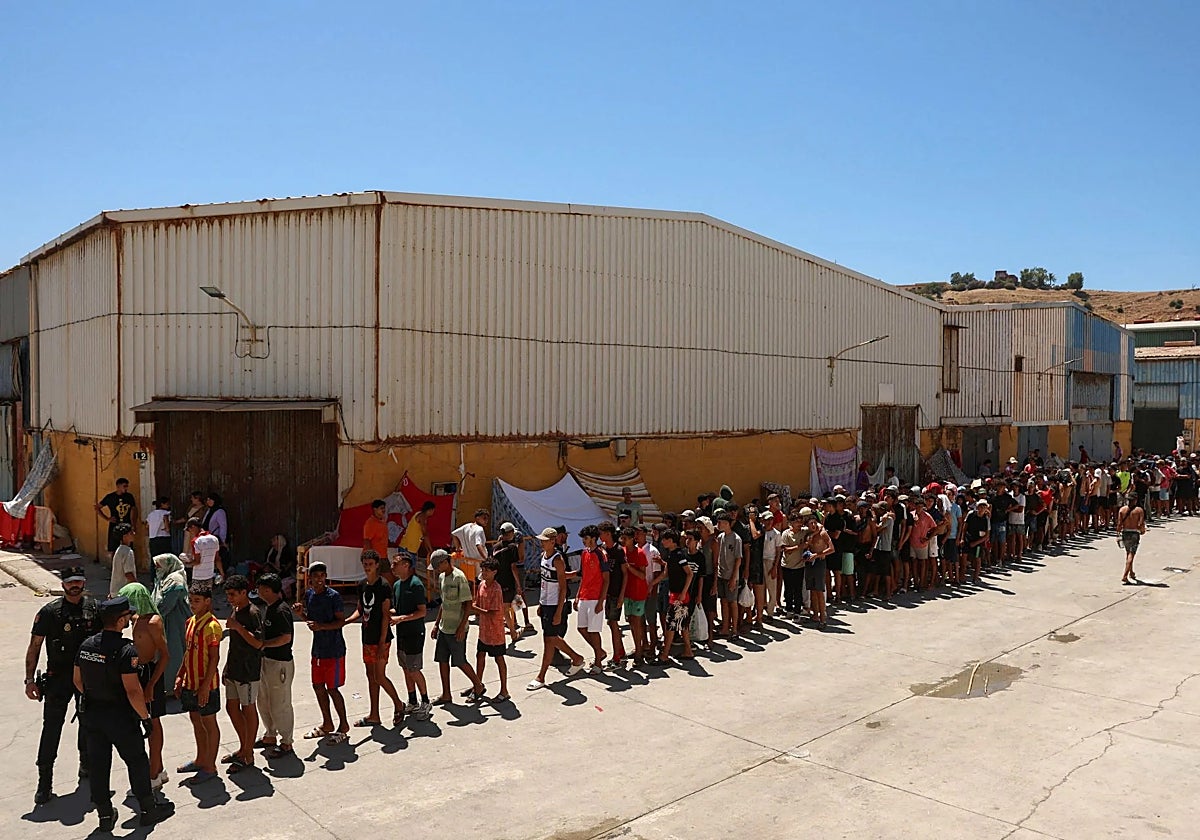

The government in Spain is working on a new plan for the relocation of unaccompanied foreign minors currently in Ceuta.
For the first phase of ... this plan, in accordance with the royal decree that provides for the transfer of children from territories operating well beyond their reception capacity to other regions, the Ministry of Children and Youth estimates that around 500 young girls with vulnerable profiles would be sent to other regions in mainland Spain.
The plan envisages both the placement of young people with other regions whose care systems are less strained and not operating under emergency conditions, as well as foster care and other approaches to expedite the support these young people require.
Related story
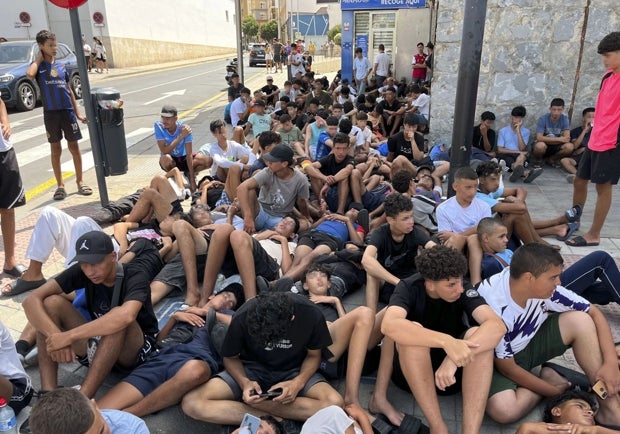
Youth Minister Sira Rego's department is working to enable child protection organisations "to arrange the placement and care of the most vulnerable children, including girls, in suitable facilities on the mainland, without the need to transfer guardianship to the regions".
Since 30 July, the National Police have identified and handed over to the Ceuta authorities a total of 2,168 children, approximately 800 of whom crossed the border unaccompanied by an adult.
Sources within the police force believe, however, that the number of young people who arrived in Ceuta during the last two days of July is higher than the figures of the Interior Ministry. Therefore, once the government has completed the process of registering these young people, the figure could rise.
The "urgent" need to transfer minors to other parts of the country is set out in the royal decree the government approved in August last year. It provides for the declaration of a state of emergency in the territories when the need to accommodate these young people triples.
Ceuta, like the Canary Islands, has been in a state of emergency since Parliament gave the green light for the measure. The latest update from the Ministry of Children and Youth regarding the number of places each region can accommodate sets the limit in Ceuta at 29 under normal circumstances and up to 83 in emergency cases.
Over the past few months, the government had already relocated nearly 700 minors, according to sources from organisations working with these children. The mass influx on 30 and 31 July further complicated the situation. Prior to this, the number of unaccompanied foreign minors in Ceuta stood at between 400 and 500.
The government's plan clashes with the demands of the PP opposition party, which is calling for the immediate return of these children to Morocco. The EU has also endorsed this solution.
On Tuesday, the European Commission stated that it expects that "everyone staying in Ceuta illegally will be returned", demanding that "no one staying in the city without proper authorisation be transferred to mainland Spain".
![[]](http://static.vocstatic.com/voc26/latest/assets/images/favicon/surinenglish/apple-touch-icon-57x57.png)