
Traffic
Spanish traffic authority changes road rules from 1 October: the manoeuvre all drivers must make in traffic jams
The DGT's new regulations introduce significant changes
The date marked on the calendar for changes to Spain's road rules has arrived. On 1 October 2026, a series of amendments the government ... had approved came into force. Their aim is to increase protection for vulnerable road users.
"Regarding the need for effectiveness of this regulatory amendment, it is the only measure that can increase safety levels for people using public roads, particularly vulnerable road users, while also providing an appropriate legal framework for urban traffic rules," the royal decree states.
The changes focus on pedestrians, particularly people with disabilities, children, older people and those with reduced mobility; cyclists; users of personal mobility vehicles; and motorcyclists and moped riders and their passengers.
The changes to the general traffic regulations already affect the day-to-day lives of both drivers and pedestrians, although some will have a greater impact on one group than the other.
One of the amendments, for example, sets out the manoeuvre drivers must carry out from Thursday, 1 October, when they are caught in a traffic jam.
What should drivers do in traffic jams
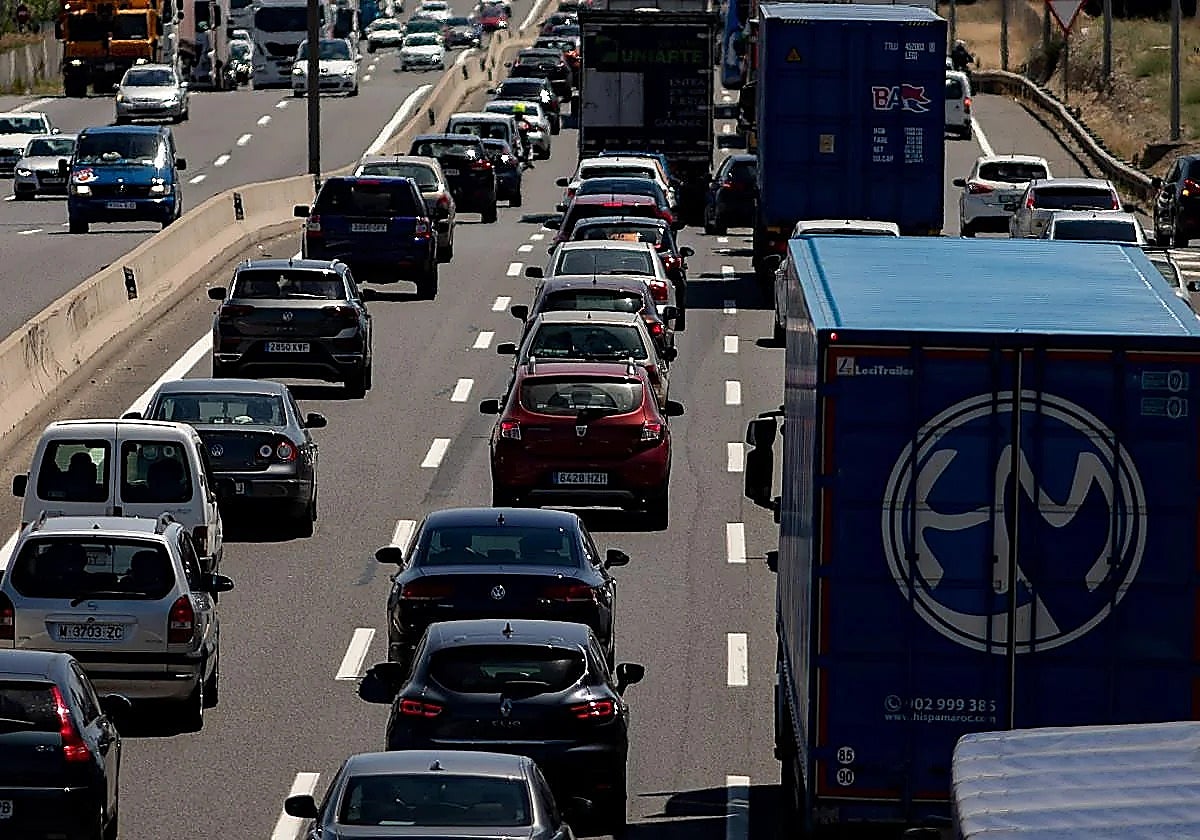
When traffic slows to walking pace or comes to a standstill because of congestion, drivers must now leave a space known as an emergency corridor.
On motorways and dual carriageways with two lanes in the same direction, the emergency corridor must run down the centre of the road, between the two lanes.
On motorways and dual carriageways with three or more lanes in the same direction, the emergency corridor must form between the lane furthest to the left and the lane immediately to its right. Vehicles in the far-left lane must move as far left as possible, while vehicles in all other lanes must move as far right as possible.
An emergency corridor must also form on motorways and dual carriageways when traffic conditions deteriorate because of snow on the road. In this situation, overtaking is not allowed and drivers must use the lane furthest to the right.
On roads with three or more lanes in the same direction, they may also use the lane immediately to its left, leaving all other lanes clear for emergency vehicles and snowploughs.
![[]](http://static.vocstatic.com/voc26/latest/assets/images/favicon/surinenglish/apple-touch-icon-57x57.png)