
Travel
Can airlines apply a fuel surcharge to pre-booked tickets amid global turmoil?
Online flights compensation company advises passengers of their rights in the face of the fuel crisis arising from the ongoing conflict in the Middle East
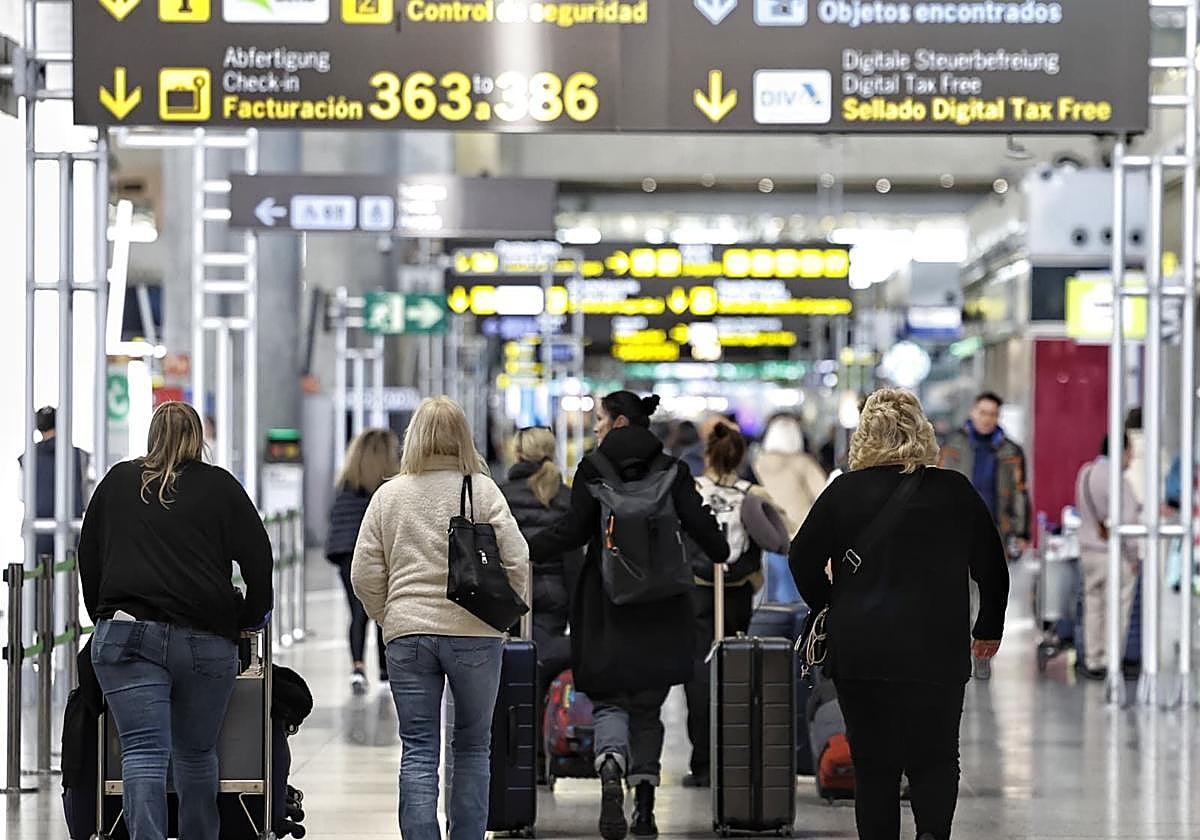

Malaga
The conflict involving Iran and much of the Middle East is escalating, directly impacting our wallets here in Spain and sowing uncertainty among those with travel plans, including summer holidays.
Just days ago, news broke that the airline Volotea was changing the price of pre-booked tickets seven days before departure to adjust them to market fuel prices. This measure could mean a maximum surcharge of 14 euros per person per flight.
The airline says it is to "guarantee operational stability, minimising the impact in a constantly evolving global environment" due to the conflict in the Middle East, as reported by Europa Press.
The measure, dubbed the 'Fair Travel Promise', has been in effect since 16 March and remains so until further notice, reflecting the company's commitment to "not introducing arbitrary fixed fuel surcharges". Other European airlines are warning that ticket prices will rise and most are advising travellers to book sooner rather than later.
Against this backdrop, AirHelp, the online tech company that improves the passenger experience during a possible flight disruption and advises on compensation options, provides some guidance as to passenger rights in these circumstances.
Related story
The first point this online platform makes is focused on the rising price of aircraft fuel that is leading some airlines to introduce surcharges on tickets. It warns that, while this practice is legal when properly communicated at the time of purchase, "it cannot be applied retroactively to already confirmed bookings". AirHelp also notes that, in this context, passengers are experiencing a general increase in prices, especially on long-haul routes, as well as reduced availability of budget fares.
"If the fuel shortage is due to poor planning or internal airline problems, the passenger may be entitled to financial compensation."
Airhelp points out that, from a regulatory perspective, the European framework provides clear guarantees. Regulation (EC) 261/2004 protects passengers in the event of significant disruptions, while Regulation (EC) 1008/2008 obliges airlines to ensure full price transparency, including any surcharges or additional fees from the start of the booking process.
"In the event of possible changes to ticket conditions or flight cancellations related to supply problems, passengers' rights remain in effect," states AirHelp. The platform adds that "the existence of a fuel crisis does not automatically exempt airlines from their obligations. Each case must be assessed individually to determine whether the situation was truly unavoidable or whether it falls under the airline's operational responsibility," explains Rosa Garcia, AirHelp's legal expert.
Be better informed
Furthermore, if a fuel shortage is the result of poor planning or internal airline issues, the passenger may be entitled to financial compensation for the flight cancellation. For this reason, AirHelp believes it is essential that travellers really know their rights in times like these. For example, passengers always have the right to choose between a full refund of the ticket within seven days or rebooking onto an alternative flight to their final destination as soon as possible. Airlines must also comply with the so-called "right to care", providing food, drink and accommodation if necessary.
In more complex scenarios, such as cancellations that leave passengers stranded during layovers or return journeys, the airline's assistance obligations remain in effect. In this regard, AirHelp reminds travellers that financial compensation, which can reach up to 600 euros, will depend on the cause of the disruption. "If the fuel shortage is due to poor planning or internal airline issues, the passenger may be entitled to such compensation." However, if it is an "extraordinary external circumstance, such as a general supply failure at the airport, the airline could be exempted from paying compensation, although not from providing assistance," says AirHelp.
![[]](http://static.vocstatic.com/voc26/latest/assets/images/favicon/surinenglish/apple-touch-icon-57x57.png)