
Politics
Brussels supports Spain 'in everything it does to return those staying illegally' in Ceuta
The Commissioner for Migration said that the images of the mass arrival in Ceuta in July "cast a shadow" over the EU's achievements, which have seen a reduction in arrivals and an increase in returns
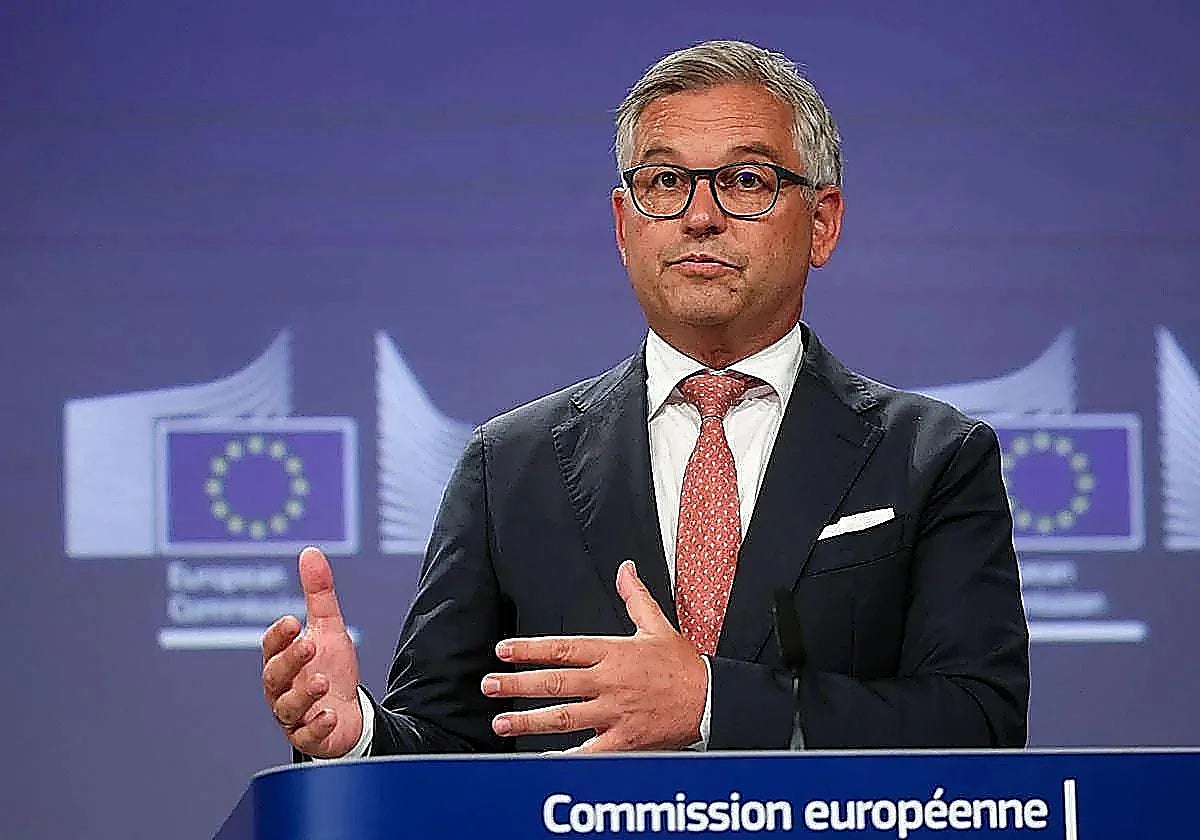

The EU backed the Spanish government's actions in Ceuta on Tuesday. Commissioner for Migration Magnus Brunner stated that the European Commission "supports everything Spain ... does to return migrants who are staying illegally" in the city.
He was responding to Spain's proposal to temporarily suspend basic guarantees of the right to asylum, which is one of the legal limits set out in the European Pact on Migration and Asylum.
"It is up to the Spanish government to decide what to do," Brunner stated. "We support whatever the government does to return those staying illegally in Ceuta."
Related story
Brunner is also in favour of strengthening the mandate of the European agency Frontex so that its officers can assist in the return of third-country nationals who do not have the right to remain in the EU.
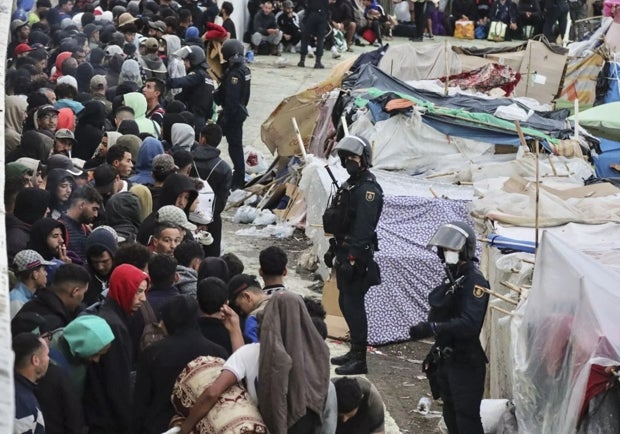
The migration crisis in Ceuta and the first 48 hours after the mass influx on 30 and 31 July were "a stress test for the EU". "I believe we passed that test, but we cannot go back to how things were before. We must improve our resilience, responsiveness and ability to detect these events before they turn into emergencies," Brunner stated.
The Austrian politician acknowledged that the crisis in Ceuta has "cast a shadow over the positive migration figures at European level". According to the Commission, there has been a 55 per cent reduction in the number of irregular arrivals in the bloc and, consequently, a record fall in the number of asylum applications.
"This is not just a minor improvement. It is proof that we are heading in the right direction," he said.
The entry register has also led to "improvements" in border management: some 70,000 people have been turned away at the borders, of whom 2,000 posed "a threat to the security" of the EU (due to their involvement in organised crime networks).
![[]](http://static.vocstatic.com/voc26/latest/assets/images/favicon/surinenglish/apple-touch-icon-57x57.png)