
Sexual abuse
Gipúzkoa provincial court acquits man of sexual assault because police showed victim only his photo before line-up
According to the ruling, the police may have influenced the identification by initially showing the young woman a photo only of him and not those of other suspects
J.M.
The provincial court of Guipúzkoa has acquitted a man accused of raping a 21-year-old woman in November 2024 in San Sebastián, ruling that ... his identification was compromised because the Ertzaintza (Basque Country police) showed the victim a photo only of him before the formal line-up,
The court considers that the alleged assault took place but finds that it has not been proven that the defendant was the perpetrator. It also considers that the photographs the victim had seen beforehand may have influenced subsequent identification in court.
The public prosecution sought a 13-year prison sentence for the defendant on a charge of sexual assault in the form of rape, while the private prosecution sought a 14-year sentence, in addition to the 15,000-euro compensation for the non-pecuniary damage and emotional distress the victim had suffered.
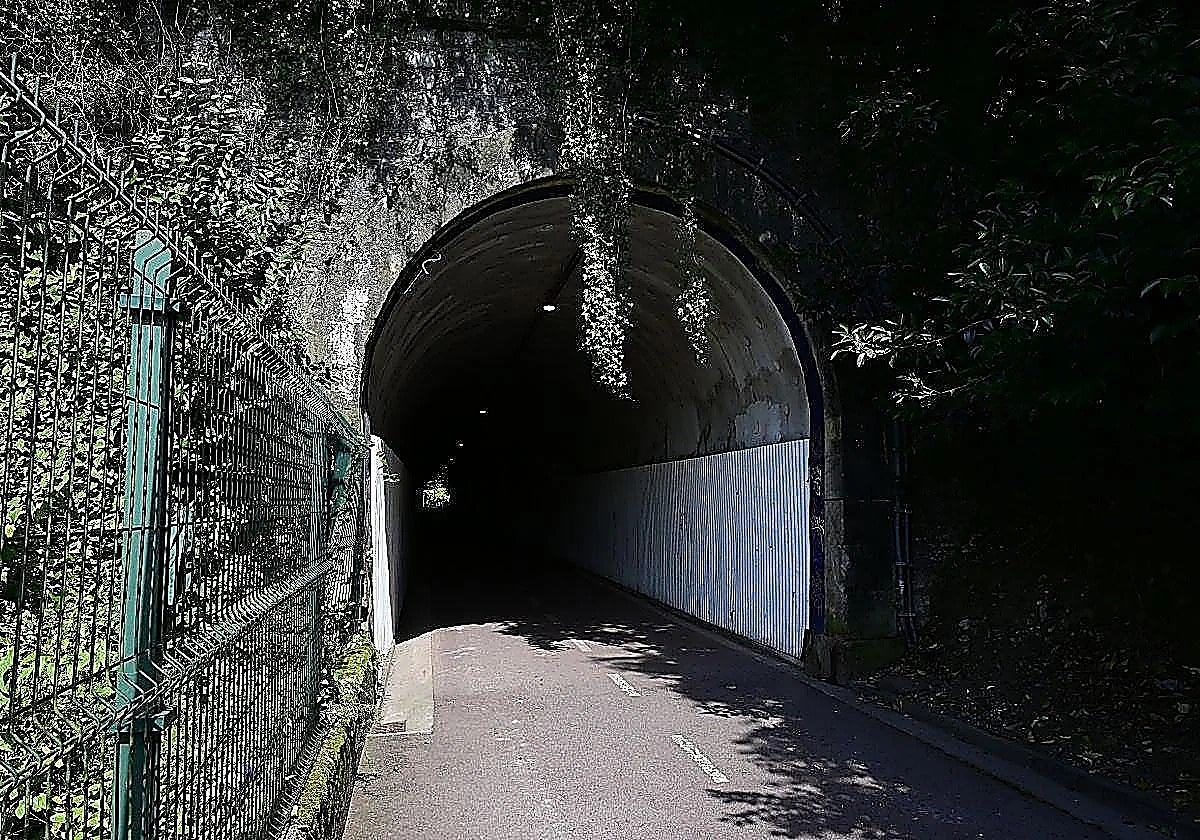
The events date back to the evening of 14 November 2024. According to the facts which the court considers proven, the young woman was walking alone along the Txaparrene promenade in San Sebastián, between Herrera and Intxaurrondo.
When she emerged from a tunnel, a man asked her for a cigarette. After she refused, he held a knife to her neck and threatened to take her "by fair means or foul".
He then grabbed her by the hair, threw her to the ground and pulled down her clothes. The ruling states that he inserted his fingers into her vagina against her will. The assault ended when a passerby shouted from nearby and the assailant fled the scene.
The young woman called her mother while in a state of shock and received medical assistance that very same night. Reports note injuries consistent with the time of the incident and psychological distress consistent with her account. Subsequent records also confirm a deterioration in her emotional state.
Identification: at the heart of the trial
The ruling does not dispute that the young woman suffered the events she described. It considers her account to be consistent and credible and says that there are no grounds for believing that she wished to deliberately harm the defendant, whom she had not met previously.
However, it draws a distinction between proving the assault and identifying the perpetrator. In the judges' view, this second issue has not been resolved with the necessary safeguards.
The ruling explains that, following the incident, Ertzaintza went to the young woman's home and showed her a photograph in which only the man who was subsequently charged appeared. She recognised him. Later, at the Donostia hospital, other officers showed her another photograph in which the same man appeared alongside another person.
Two days after the assault, on 16 November, the young woman identified him again during a line-up at the court. However, the court of appeal considers that this identification was influenced by the photographs she had previously seen.
The court states that showing a victim the image of a single person, rather than a selection of photographs of several individuals with similar features, may lead to an identification and make the face appear familiar in subsequent line-ups.
The ruling also states that no police officer appeared at the trial to explain how they had carried out these procedures. Although the police report mentions a photo identification procedure involving six images, both the young woman and her mother have stated that the police had first shown them a single photograph and then another showing two people.
"Consequently, that police identification recorded in the report does not constitute evidence, given that no one stated during the oral hearing that it had taken place; rather, its content can have no greater value than that of a mere allegation," the court document states. It concludes that the identification is not sufficient to prove that the defendant was the assailant.
These doubts were compounded by the results of the forensic tests. The analyses detected traces of DNA on the young woman's body and her clothing, but the genetic profile did not match that of the defendant.
In addition, the investigation did not manage to find any footage that conclusively placed the defendant near the scene of the assault. The Ertzaintza reviewed footage from various CCTV cameras but were unable to identify him in any of them.
The court also examined the description of the attacker provided by the young woman. She had stated that he was approximately between 1.70 and 1.75 metres tall, while the defendant is around 1.85 metres tall. According to the court, the similarities between the description and the defendant's characteristics are not sufficient to corroborate an identification that it already deems unreliable.
The defence denies that the man committed the assault and states that he had spent the day at the former schools in Martutene. The court does not consider this version of events to have been sufficiently substantiated either, but points out that the defendant does not have to prove his innocence.
The ruling stresses that the doubt does not relate to whether the sexual assault took place, but to the identity of the perpetrator. In the absence of evidence enabling the facts to be attributed to the defendant beyond a reasonable doubt, the court has decided to acquit him and has, of its own motion, ordered him to pay the costs of the proceedings.
"The totality of the evidence presented leaves us in a position of doubt, not as to whether the events described by the victim and the prosecution took place, but as to whether it was the defendant who committed them. Consequently, we find it proven that the events occurred as described by the prosecution, but not that it was the defendant who carried them out. As we do not find it proven that the defendant committed any criminal offence, his acquittal is mandatory," the ruling concludes.
