
Archaeology
46,000-year-old Spanish cave site reveals how Neanderthals lived, hunted and worked
More than 1,500 butchered bones and stone tools show prehistoric groups returned to Burgos cave for generations
Dilip Kuner
Story at a glance
-
1.
Intense seasonal occupation: Neanderthals occupied Prado Vargas cave seasonally from spring to late autumn across multiple generations around 46,000 years ago
-
2.
Sophisticated butchery and tools: Over 1,500 finds reveal hunting of bison, boar and deer, alongside specialised bone tools used to sharpen flint blades
-
3.
Occupied by two species: Excavations confirm the cave sheltered Neanderthals and, 11,000 years later, early Homo sapiens
A 46,000-year-old Neanderthal settlement in northern Spain is providing fresh insights into the daily lives, hunting habits and toolmaking techniques of our prehistoric relatives.
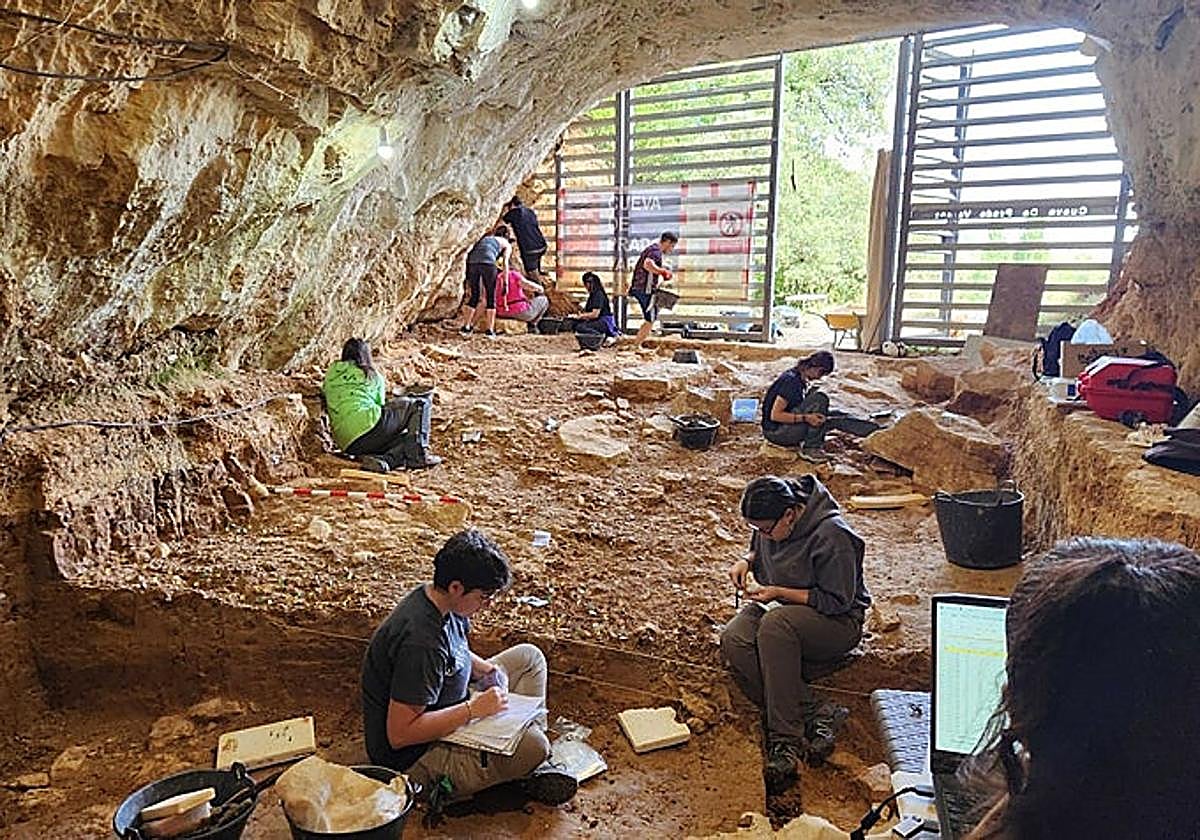
Archaeologists excavating the Prado Vargas cave in the Ojo Guareña karst complex, Burgos, have recovered more than 1,500 animal fossils and stone artefacts during this summer's dig.
The findings confirm that generations of Neanderthals established prolonged seasonal camps inside the cave, occupying the site continuously from spring through to late autumn.
Evidence of butchery and specialised craft
The recovered animal remains show that Neanderthal hunting parties targeted a wide variety of game, including wild boar, horses, bison, aurochs, fallow deer and red deer.
Clear cut marks and percussion impacts on long bones reveal that butchery took place inside the cave, with inhabitants systematically skinning, jointing and cracking open bones to extract the nutrient-rich marrow.
Alongside animal remains, researchers documented an array of flint-dominated stone tools used for processing meat and hide. The team also uncovered bone retouchers—specialised animal bone fragments used as hammers to reshape and sharpen stone edges.
"With around 100 bone retouchers now documented at the site, Prado Vargas has become a crucial location for understanding Neanderthal technological innovation," the excavation's co-directors said.
A home across millennia
The 2026 campaign expanded the main excavation layer to 140 square metres, making it one of the largest investigated Neanderthal cave sites in Europe.
Excavations also confirmed that the cave's human story did not end with Neanderthals. Upper layers dating to roughly 35,000 years ago revealed a hearth site belonging to early Homo sapiens, proving that modern humans later inhabited the same shelter as they expanded across western Eurasia.
Around 20 archaeologists and local volunteers contributed to the project, sifting through half a tonne of river sediment to recover micro-mammal fossils that will help reconstruct the region's prehistoric climate.
![[]](http://static.vocstatic.com/voc26/latest/assets/images/favicon/surinenglish/apple-touch-icon-57x57.png)