
Troy Nahumko
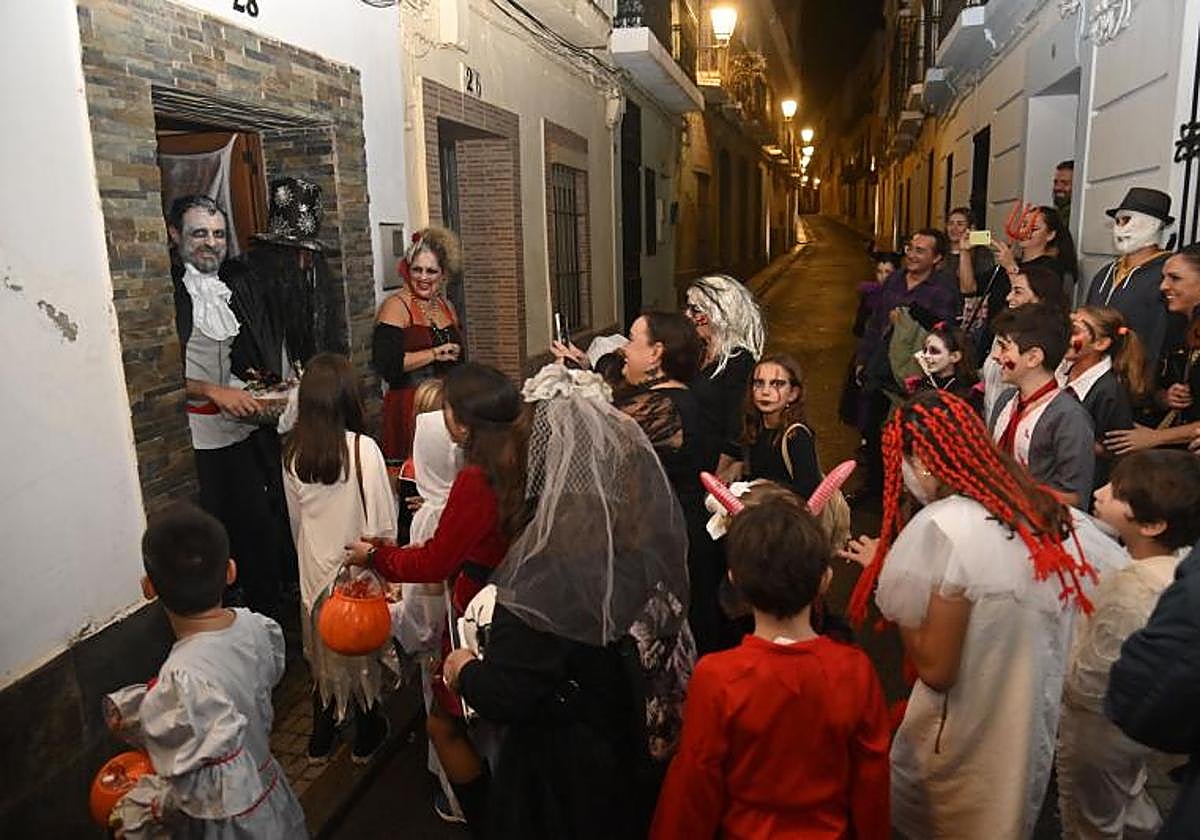
The doorbell began ringing shortly after dark. Outside, the street had been taken by the dead. Small witches careered between parked cars. A skeleton dragged a plastic scythe along the pavement. Someone’s little brother, wrapped in toilet paper, was slowly coming apart as a mummy. Parents followed at a discreet distance, carrying coats and the exhausted expressions of people who had already eaten too many sweets intended for children.
Then my bell rang. On the doorstep stood six miniature emissaries of Satan: two witches, a vampire, a skeleton, something with an axe embedded in its skull and a tiny girl in a princess dress who, from the expression on her face, appeared to be the Antichrist.
“Truco o trato.”
I recoiled. They wanted a handout. Not work. Not enterprise. Not the dignity of creating shareholder value. Alms. Sweets. This, presumably, is how civilisations end.
“You know this isn’t Spanish?” I said.
“It’s Halloween,” said the vampire.
“Yes. American.”
“My teacher says it’s Celtic.”
“Well, Celtic. But foreign.”
“Weren’t there Celts in Spain?”
There is always one.
“My grandmother’s Galician. She says they have Samaín.”
There are always two.
I could feel the Department of Pure Spanish Things experiencing staffing difficulties. “The point is, we have our own traditions. You can’t just import things from other countries.”
“Like pizza?”
“No.”
“Potatoes?”
“What?”
“They’re from America.”
“We’re not talking about potatoes.”
“And gazpacho has tomatoes.”
The vampire was enjoying this.
“Look, cultures borrow things. That’s different.”
“So Halloween is OK?”
“No.”
“Why?”
“Because it’s pagan.”
“What’s a pagan?”
“Before Christianity.”
“Was Christianity Spanish?”
I looked at the child with the axe in his head. “No.”
“Where did it come from?”
“The Middle East.”
“Like the Arabs?”
“No. Completely different Middle East.”
“Where was Jesus from?”
“Palestine.”
“So Jesus was foreign?”
“Not anymore.”
“How?”
“He’s ours now.”
The Antichrist held out her pumpkin. I changed tack.
“The real problem is expecting people to give you things for nothing.”
“Like poor people?”
“Exactly. I mean, no.”
“Like Cáritas?”
“That’s charity.”
“Like the Church?”
“Completely different.”
“Can we have another sweet?”
“No. You’ve already had one.”
“But you’ve got loads.”
“That doesn’t mean I have to give them away.”
“What are you going to do with them?”
“Keep them.”
“All of them?”
“They’re mine.”
“What if you don’t eat them?”
“That’s beside the point.”
“My mum says that’s hoarding.”
“Your mother doesn’t understand markets.”
The skeleton considered this. “So you having loads is good, but us wanting two is greedy?”
“No. Me having loads creates wealth.”
“How?”
“Eventually it trickles down.”
They looked at the sweets.
“Can we watch?”
“It doesn’t happen immediately.”
“When?”
“When the conditions are right.”
“Couldn’t you just give us the sweets?”
The innocence of children.
“If I did that, there would be no incentive for you to improve yourselves.”
“What should we do?”
“Work hard.”
“For you?”
“Potentially.”
“And then you’ll give us sweets?”
“I might create jobs.”
“Making sweets?”
“No.”
“Giving them out?”
“Certainly not.”
The Antichrist frowned. “So you keep the sweets, we do the work and later maybe we get sweets?”
“Now you’re understanding economics.”
She looked at the mountain of sweets I still had.
“I think you just want to keep them all.”
Bloody communist.
I gave her another Mars bar and closed the door.
There are limits to redistribution.
