
The Bottom Line
The vocabulary of a people
Columnist Troy Nahumko on language, irony and the mezquinos of modern Spain
Troy Nahumko
Language is a confession. Not merely a tool, but the accumulated record of what a people found worth naming, the archaeology of a culture's attention. To study a language is to ask: what did these people notice? What demanded, in their judgement, a word of its own?
Every language has its domain of genius. English is baroque in vocabulary - a pirate tongue, really, that boarded other languages at gunpoint, took what it wanted, and called it an empire. The Saxon animal in the field, the Norman animal on the plate; somebody else's gold in the hold. One could argue English didn't so much develop a rich vocabulary as accumulate one, the way a privateer accumulates cargo. We prefer the word “influence”.
No language is richer than another. What differs is where the richness lies.
Spanish is a language of unusual genius for human relations. The second-person pronoun alone - tú, usted, vostros, ustedes, the elegant vos - maps social terrain that my tongue abandoned centuries ago. Spanish is a language built for poetry, song, emotion expressed with directness; a rhetorical tradition that prizes dignity, honour, the grand moral principle.
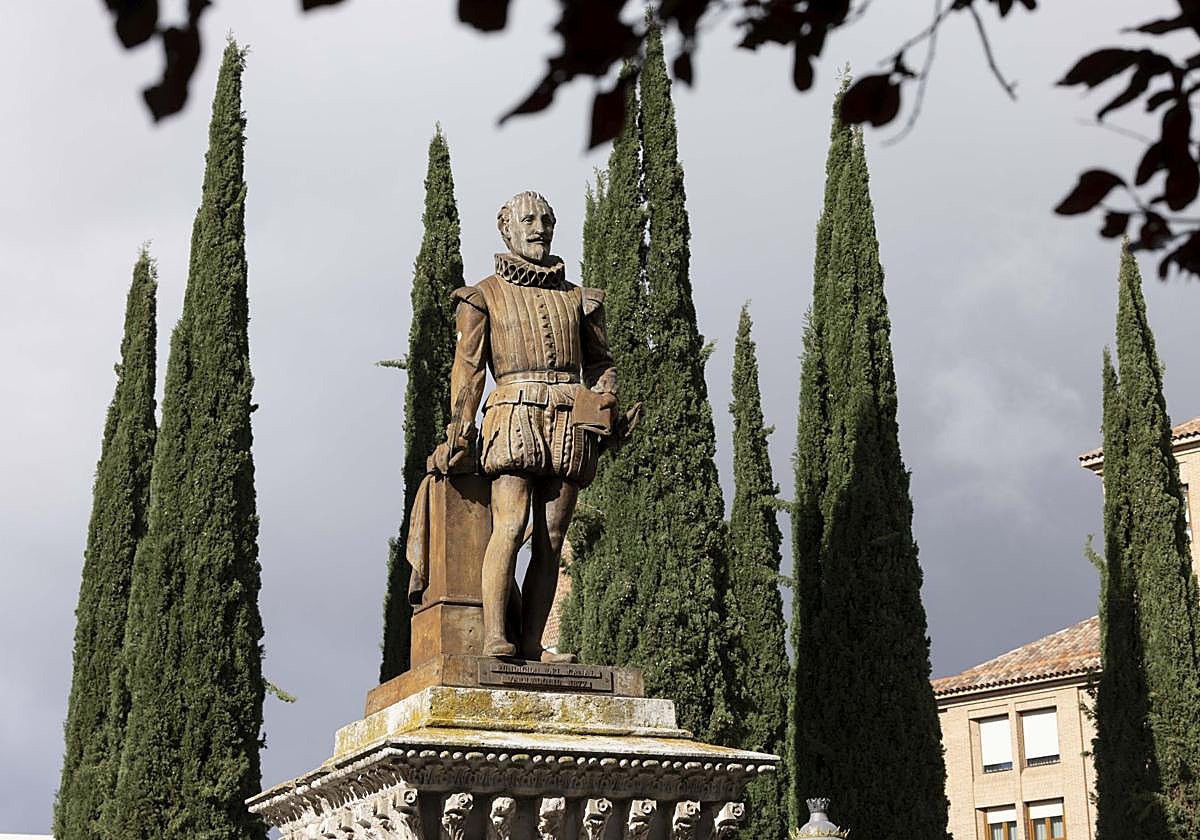
This is the language of Don Quixote, not merely a figure of fun. He is right. The windmills are not giants, but the surrender of ideals to cynicism is a real enemy. Cervantes understood that the most serious things require laughter, because sobriety alone cannot bear the weight.
Spanish is equally magnificent when naming the failure of these values. One of my favourite words is: mezquino. English has equivalents - “petty”, “mean”, “miserly” - but none carry the full verdict. Mezquino is not mere stinginess with money. It is stinginess of character: a smallness of soul, a narrowness of spirit, the constitutional inability to extend the generous impulse beyond one's own anxieties. Spanish has accomplices: ruin, cicatero, avariento, roñoso - words that do not merely describe behaviour but pronounce judgement on character. Words from a culture that takes human dignity seriously enough to have a precise vocabulary for its desecration.
Now. There are forces in contemporary Spain who have appointed themselves guardians of la patria, the defenders of authentic Spanishness. Cervantes, soldier, slave, genius, connoisseur of human self-deception, would have recognised them immediately. Not as defenders of Spain, but as perfect satirical targets.
Because what these paladins of the patria most visibly represent, viewed through the very language they claim to champion, is precisely what that language exists to condemn. The narrowness. The pettiness. The reflexive exclusion. The fundamental smallness of those who can only define themselves by what they fear.
They are its mezquinos.
And here is the joke that history arranged with a precision Cervantes might have envied: mezquino does not come from Latin or Visigothic. It comes from Andalusian Arabic. From miskīn. The word that most precisely describes these guardians of the patria, small-souled, ungenerous, mean in every sense, was a gift from the civilisation they have built their politics around despising.
Don Quixote tilted at windmills and called them giants; he was deluded, but nobly so. His successors tilt at their neighbours and call it patriotism. Quixote was wrong about the facts but right about the values. Themezquinos of the modern patria have managed, with considerable effort, to achieve the opposite. The language remembers, even when some speakers prefer to forget.
![[]](http://static.vocstatic.com/voc26/latest/assets/images/favicon/surinenglish/apple-touch-icon-57x57.png)