
The Bottom Line
The journey in reverse
The retreat from reading: how we are surrendering the hard-won power of the written word says columnist Troy Nahumko
Troy Nahumko
The rock shelter beneath Monfragüe castle is shallow enough for the sun to trespass. Deeper inside, the quartzite folds over itself like a great stone eyelid, keeping the worst of the Extremaduran sun from a prehistoric multitude dancing across the wall. Ochre figures emerge from the rock: hunters and impossible beings, bodies reduced to strokes and gestures, some crowned with magnificent hairstyles, others advertising an extravagant masculinity. Lichen freckles the stone; vultures work the hot air beyond the ledge. It is a kind of prehistoric gig poster, a human clamour surviving beneath a mountain.
But farther towards the light there is something quieter and perhaps more astonishing. What looks like a handful of scratches is writing: an Iron Age inscription associated with the Tartessian script. On this one face of quartzite, millennia of human communication seem compressed - image, symbol, script - the long migration from stories carried in memory to words capable of outliving the storyteller.
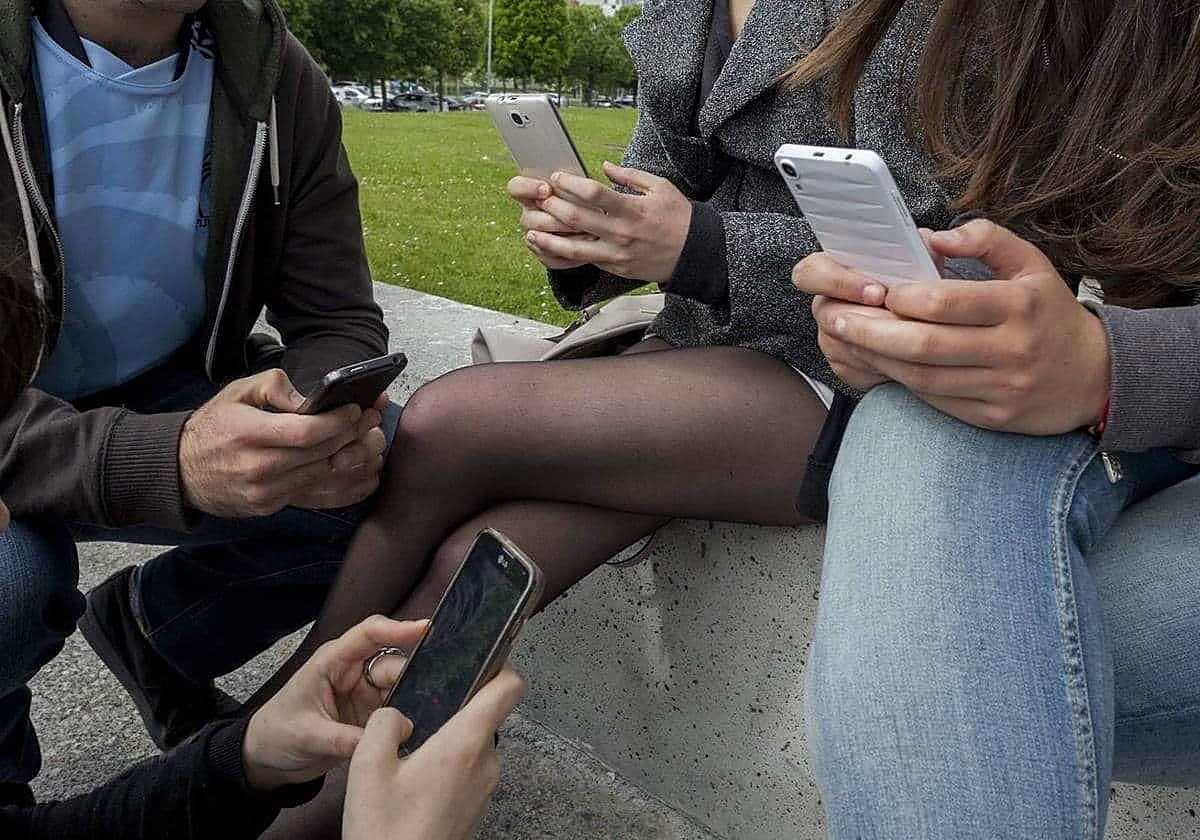
Then I look down towards the car park. Teenagers stand together, heads bowed over their phones.
And I wonder if I am looking at the journey in reverse.
We are not becoming illiterate. Something stranger is happening. We can read, but increasingly choose not to. We consume words constantly, messages, captions, headlines, notifications, while abandoning the sustained reading that asks us to remain inside somebody else's mind for pages at a time. Books become summaries, arguments become clips, history becomes memes. What once required concentration arrives shortened, simplified and explained.
The numbers are difficult to dismiss. The latest Pisa results show reading scores across OECD countries down 28 points since 2015 -roughly a year and a half of learning. Spain has fallen to its lowest recorded results, with reading down 23 points since 2022.
Extremadura knows what the other side of literacy looks like. In 1970, nearly 12 per cent of its population was still classified as illiterate; in 1981, almost one in ten. There are people alive there whose lives have encompassed an extraordinary transition: from a largely oral rural culture, through mass literacy, into digital orality.
I came late to reading myself. As a child in Canada, where not being able to read seemed almost unimaginable, I thought I must be the stupidest creature alive. Then the symbols unlocked. Reading became a superpower, and I have never willingly surrendered it.
This is not a sentimental defence of dusty bookshelves. Literacy redistributed authority. The peasant no longer needed the priest to tell him what God had said, the politician what the law contained, the learned man what lay beyond the hill. Mass literacy helped make mass democracy possible because ordinary people acquired the keys to the library.
And now, astonishingly, we are handing them back.
The old cleric stood with his back to the congregation, speaking words they could not understand. He possessed the book; he interpreted the world. The new cleric lives in our pocket. He selects the sermon, shortens the argument, supplies the outrage and, increasingly, reads the difficult parts for us.
At Monfragüe, humanity learned to put thought onto stone.
We should be very careful about celebrating the day when we ever decide we no longer need to read it for ourselves.
![[]](http://static.vocstatic.com/voc26/latest/assets/images/favicon/surinenglish/apple-touch-icon-57x57.png)